
About
The person behind the lab
Matei Stancu is a man with a simple idea: nothing is impossible. Anyone can build their dream car bit by bit, and Slip Angle Lab is the place where you can build yours too, one part at a time.
Ever since I was a little boy my passion lay in drawing, and I drew all kinds of things that fascinate a little boy's imagination: trains, trucks and cars — a lot of cars. I grew up knowing I wanted to become either an engineer or a designer. As I prepared for college it was obvious that late-2000s Romania had no place for either an engineer or a designer, so I went into another field, software engineering — but the car passion followed me wherever I went.
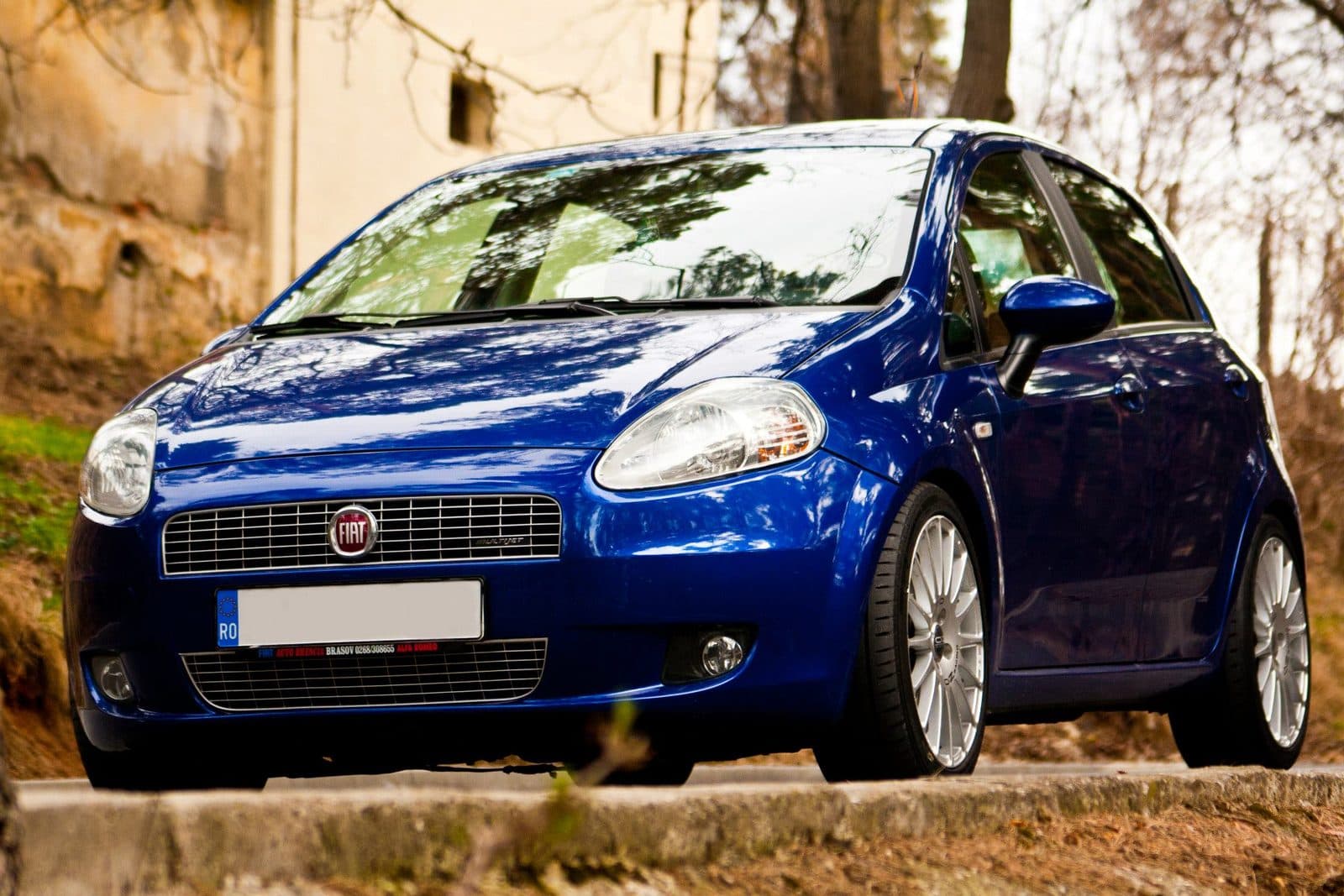
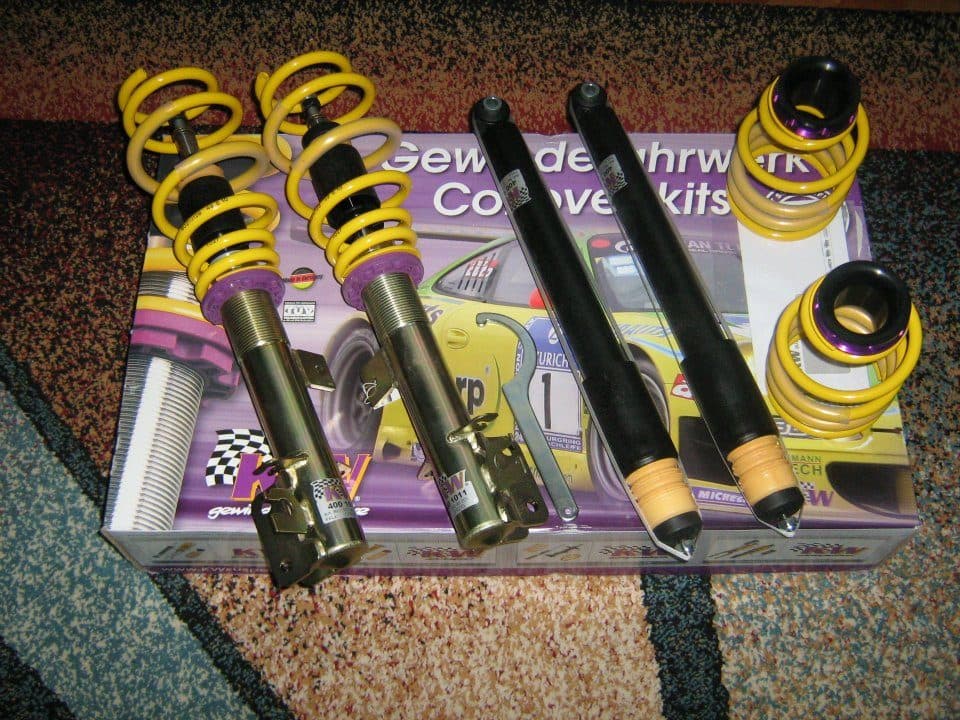
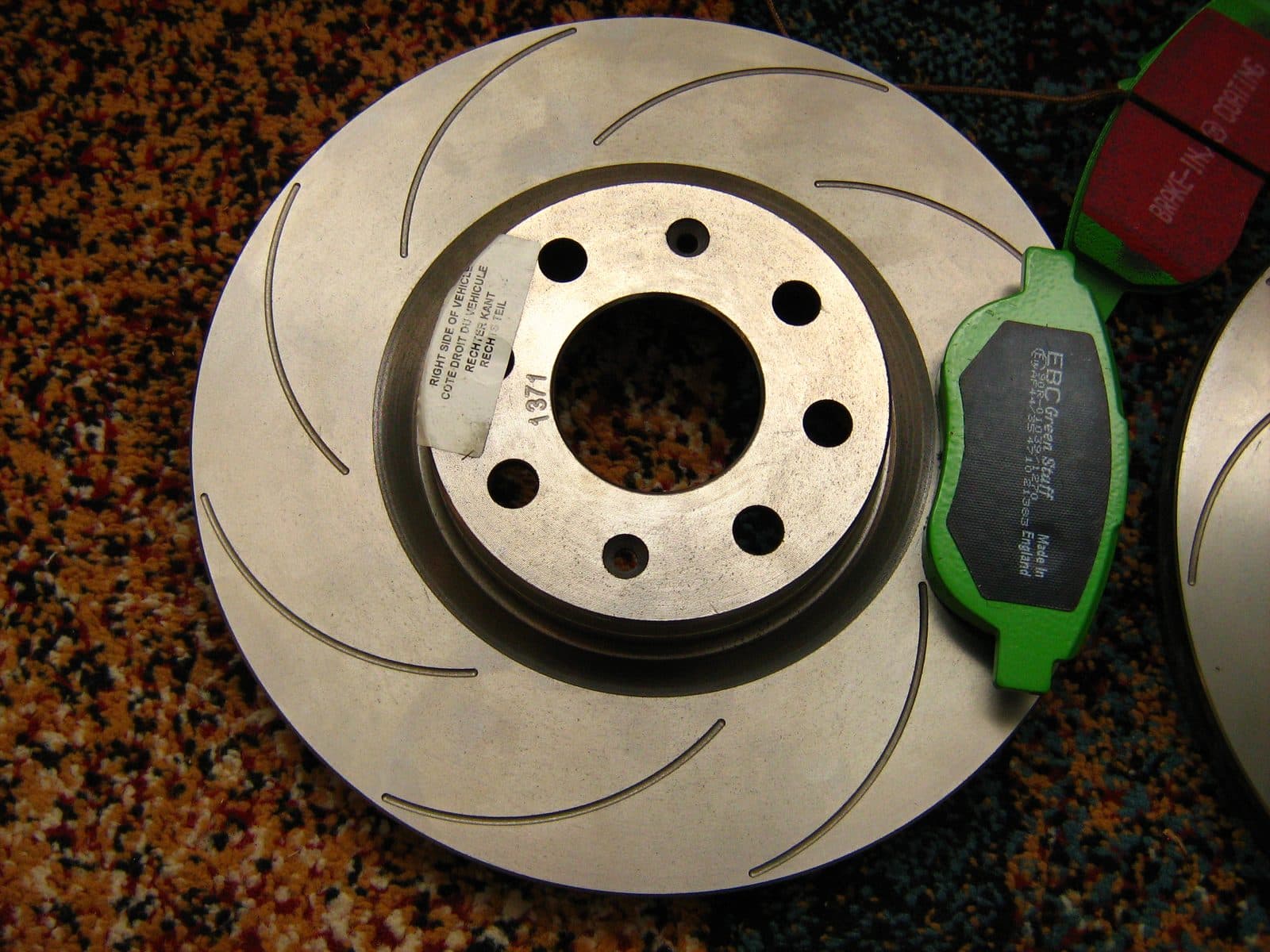
The first car I got was a Fiat Grande Punto, a 90hp diesel hatchback — the perfect practical car for 2007 college me. As I learned to drive better on my home touge, the road leading up to Poiana Brașov, I started to reach the limits of the car. In my mind the problem was not the 90hp diesel engine — you don't need much power going downhill — but the suspension, tires and brakes. And so began an addiction that makes drugs look cheap: modding your car... The car soon got KW suspension, upgraded brakes and 17-inch wheels with sticky tires. But as well as it handled, a FWD car is still kind of boring, and that led to my next mistake — I mean, step.
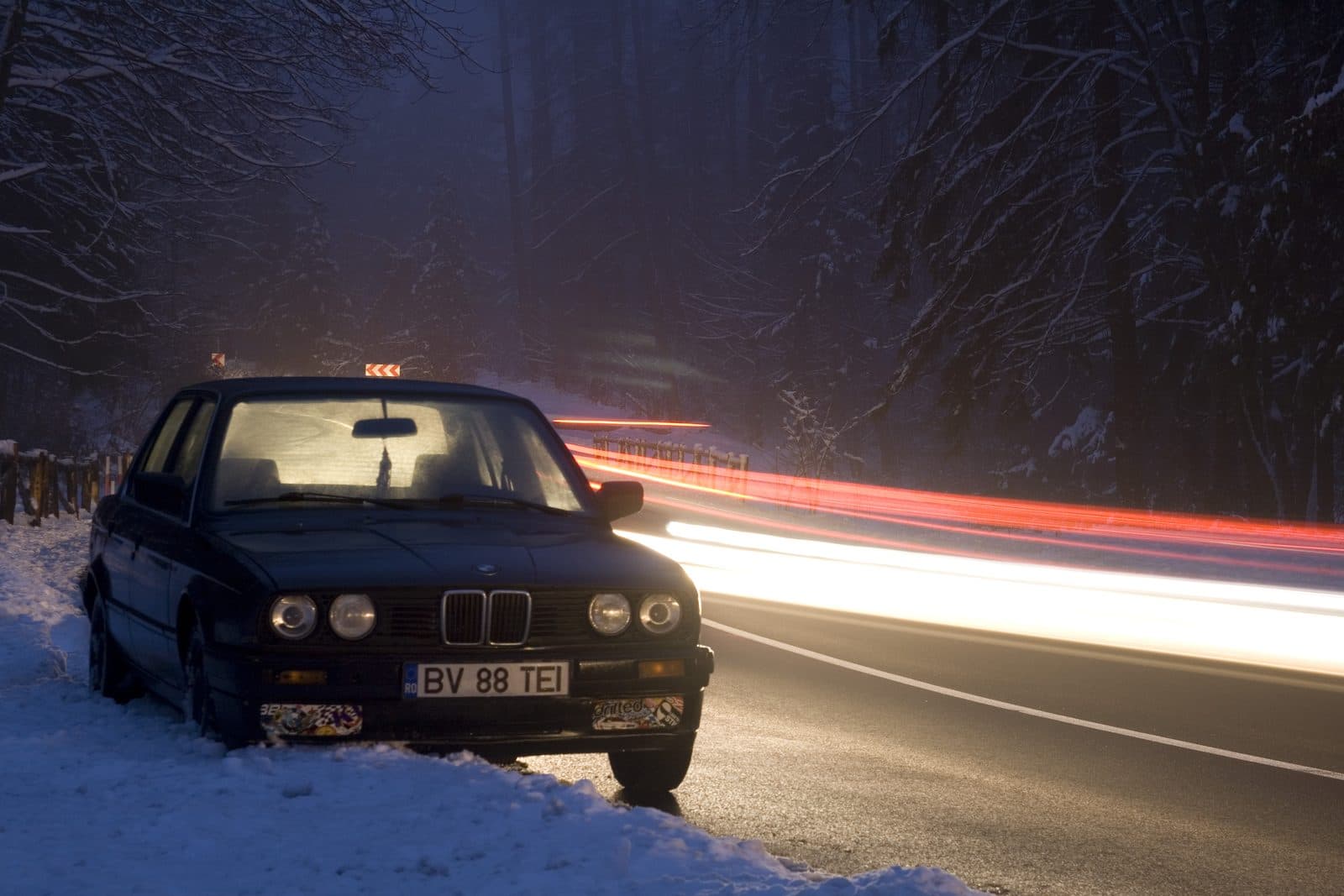
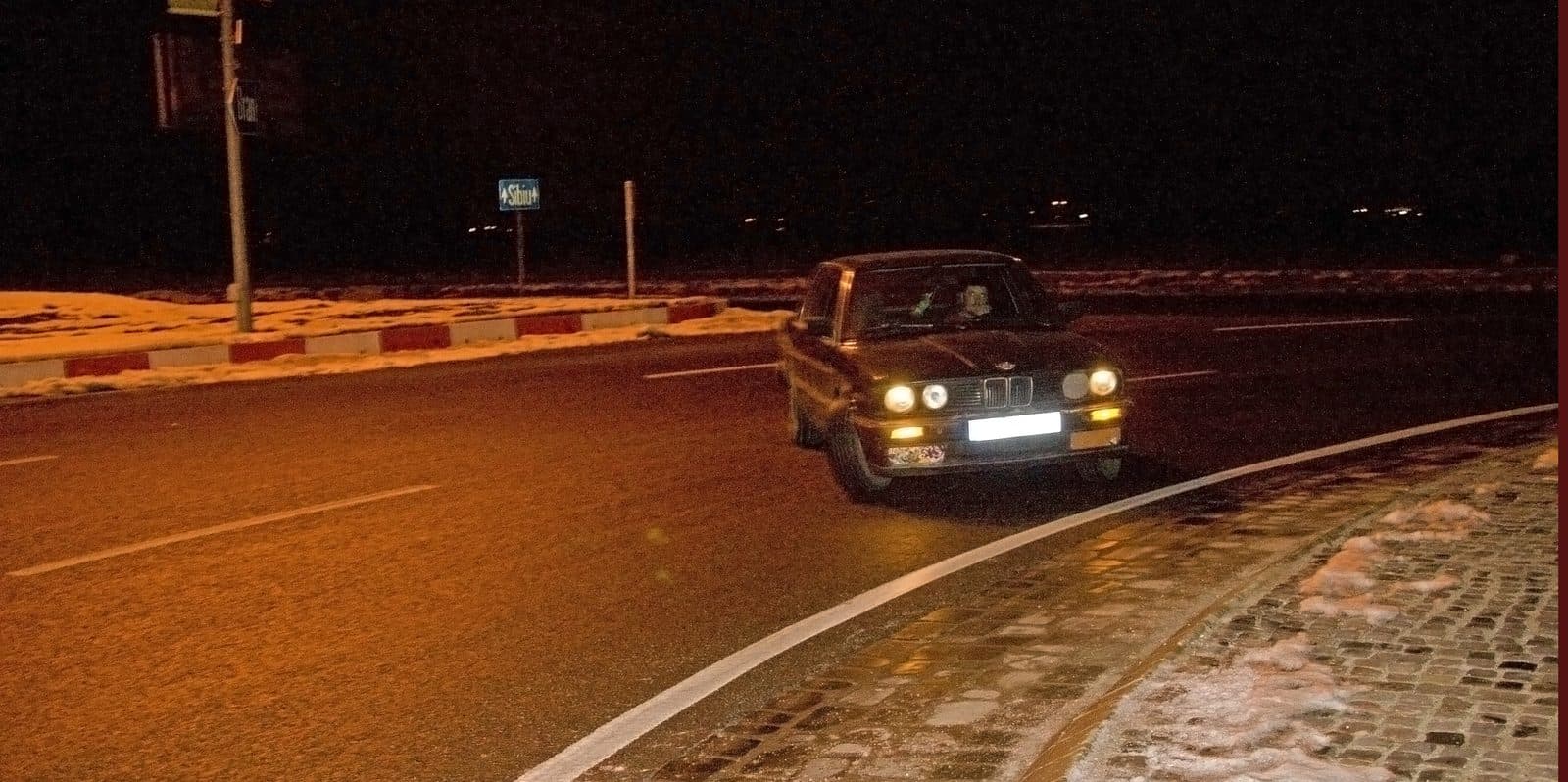
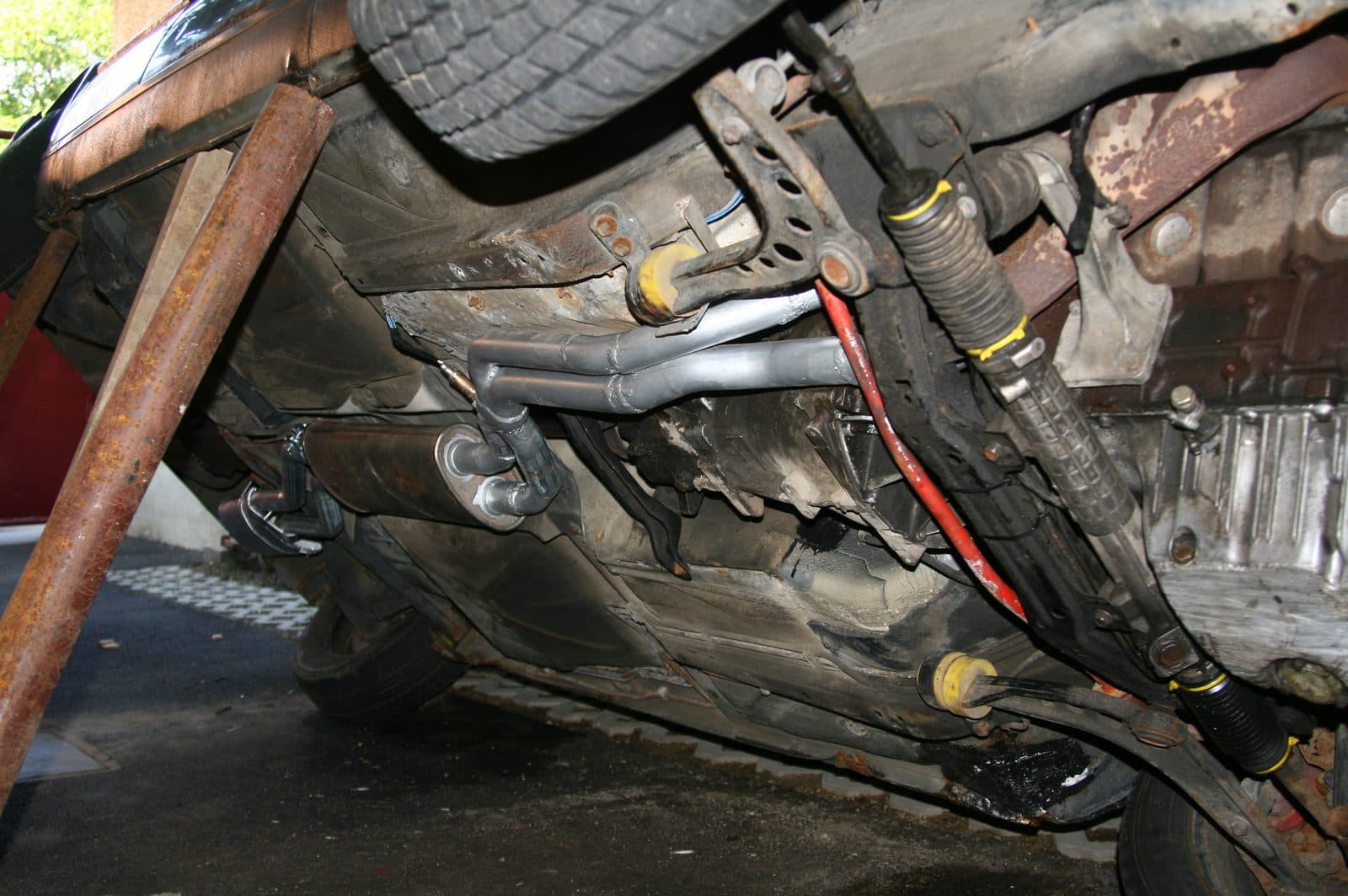
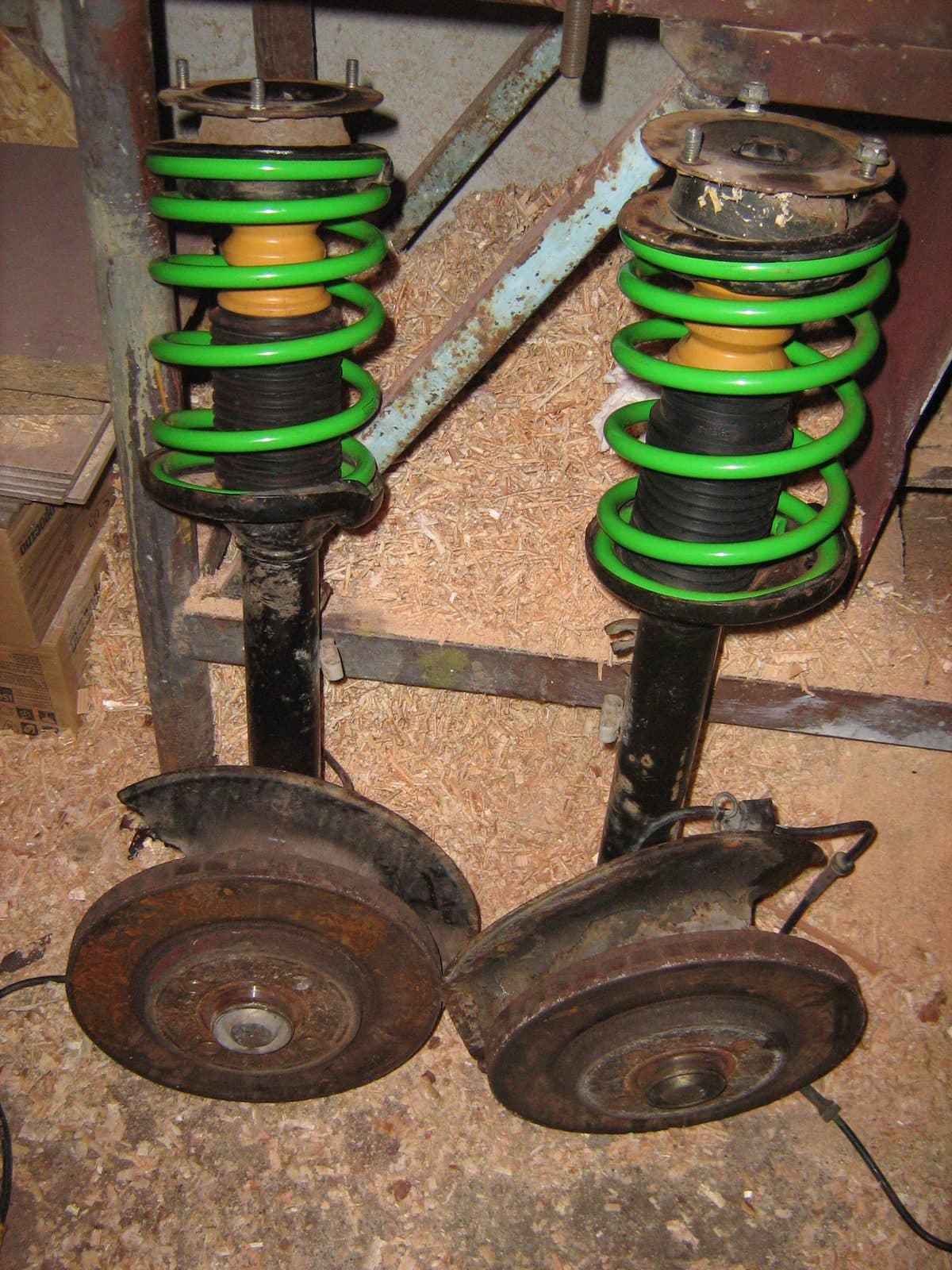
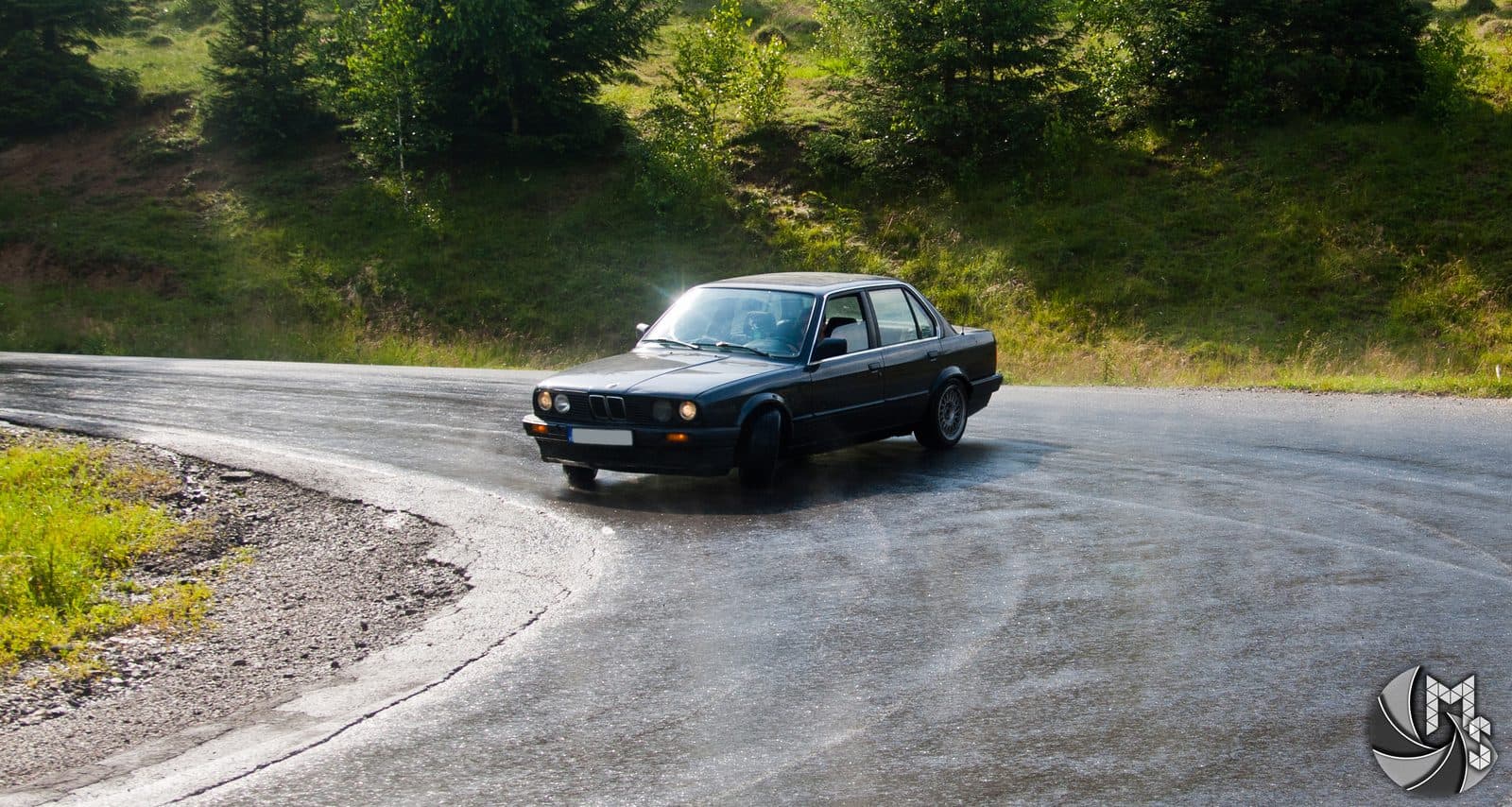
My first RWD car was a 1990 BMW 316i E30 with a whopping 98hp, but it was 2012 and in the wet and snow it was plenty. As soon as the snow started melting I knew I had to start addressing the suspension, the brakes and the diff, as the factory forgot to weld it :). But 98hp only gets you so far when you want to drift your local touge, so I started planning my first engine swap: a 190hp 2.5L straight six. That's when I started meeting other enthusiasts from the area, even some retired racing drivers. As I couldn't find a proper exhaust for the engine, I fabricated my own using an X5 silencer and a custom homemade back box — and that got me hooked on making my own parts. But a few weeks after I had the swap working well, another driver decided to end it. The car got totaled with me in it. I escaped unharmed and ended up with a fair bit of money from the insurance, so I started planning my next build. Whatever it was, it had to have a roll cage...
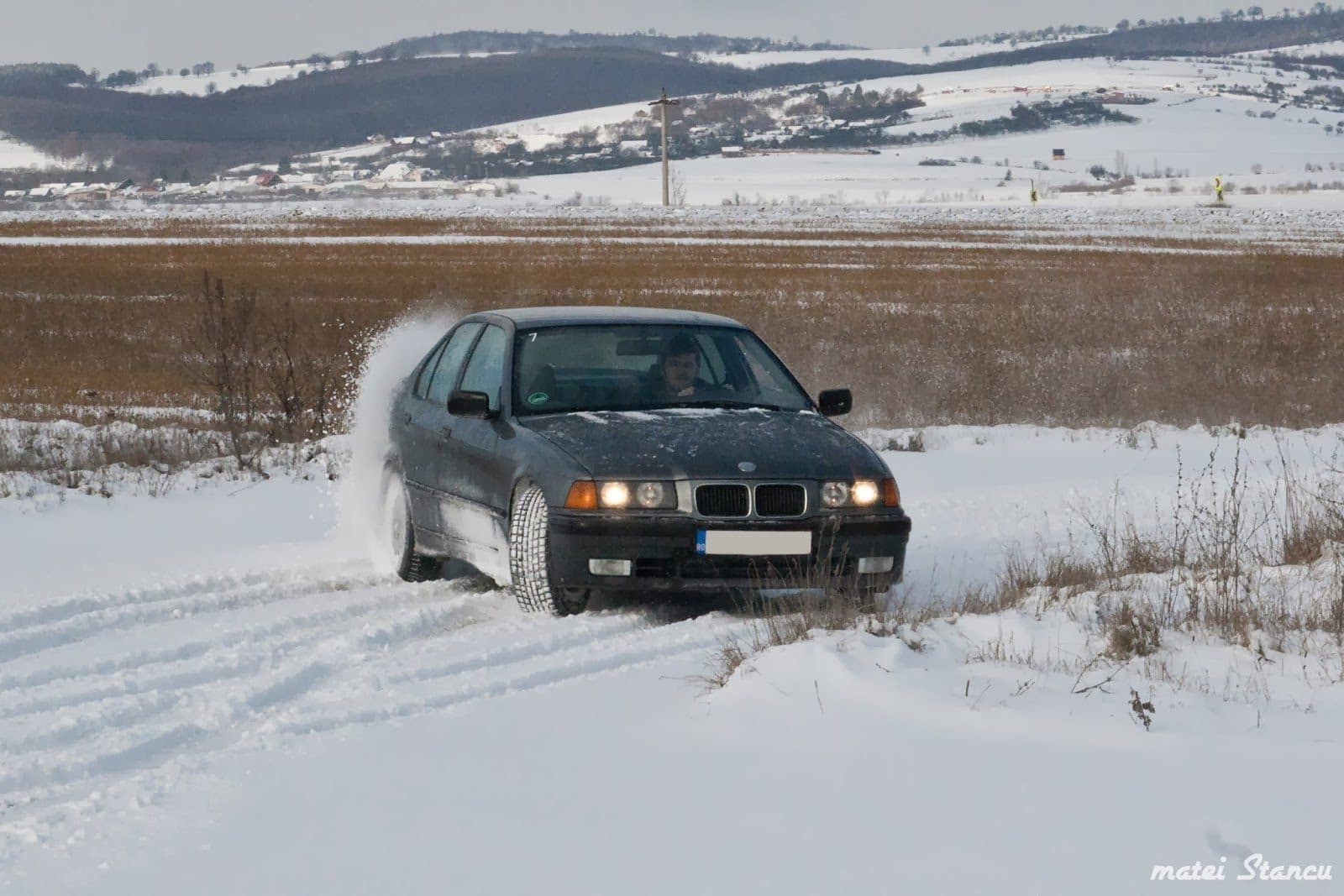
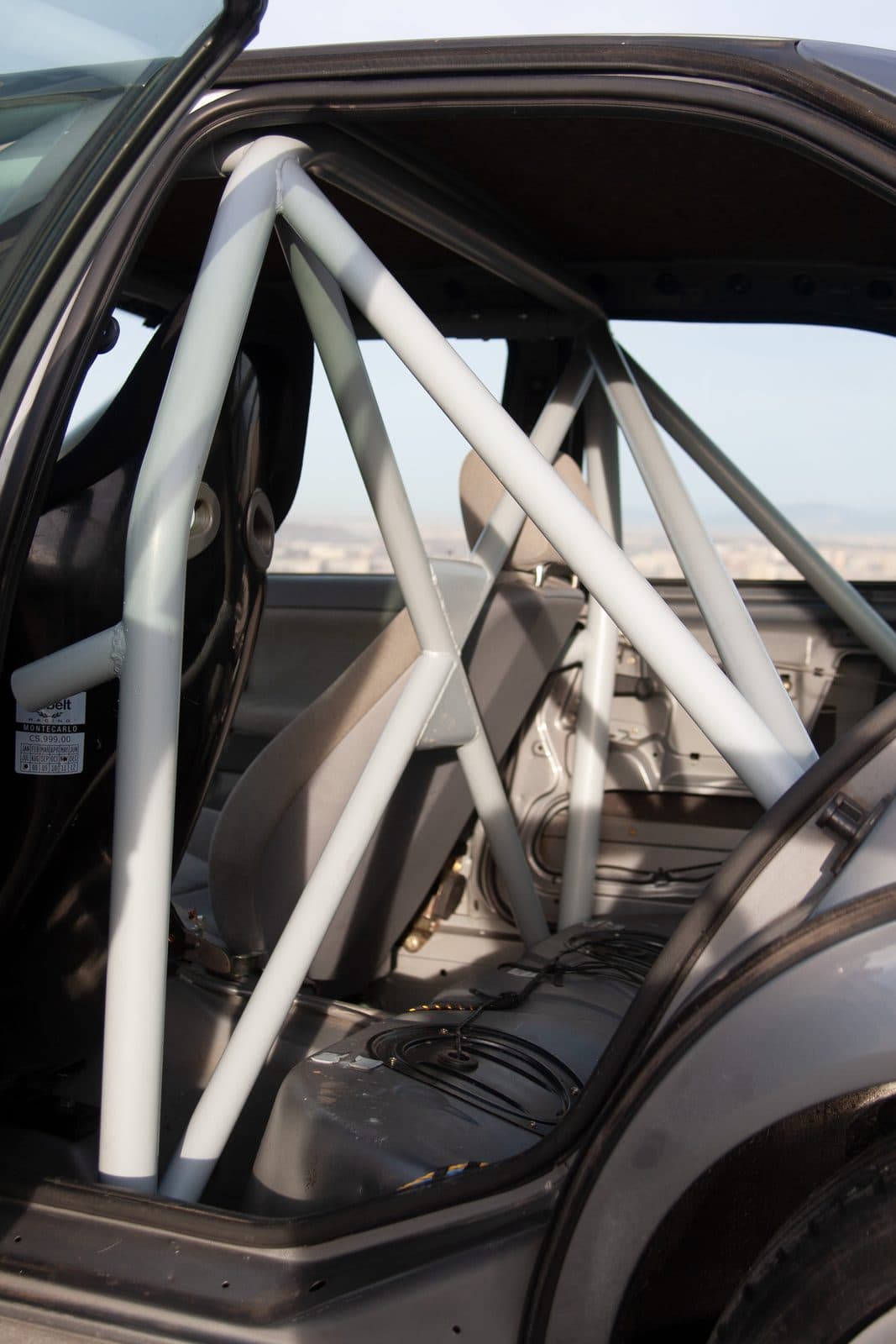
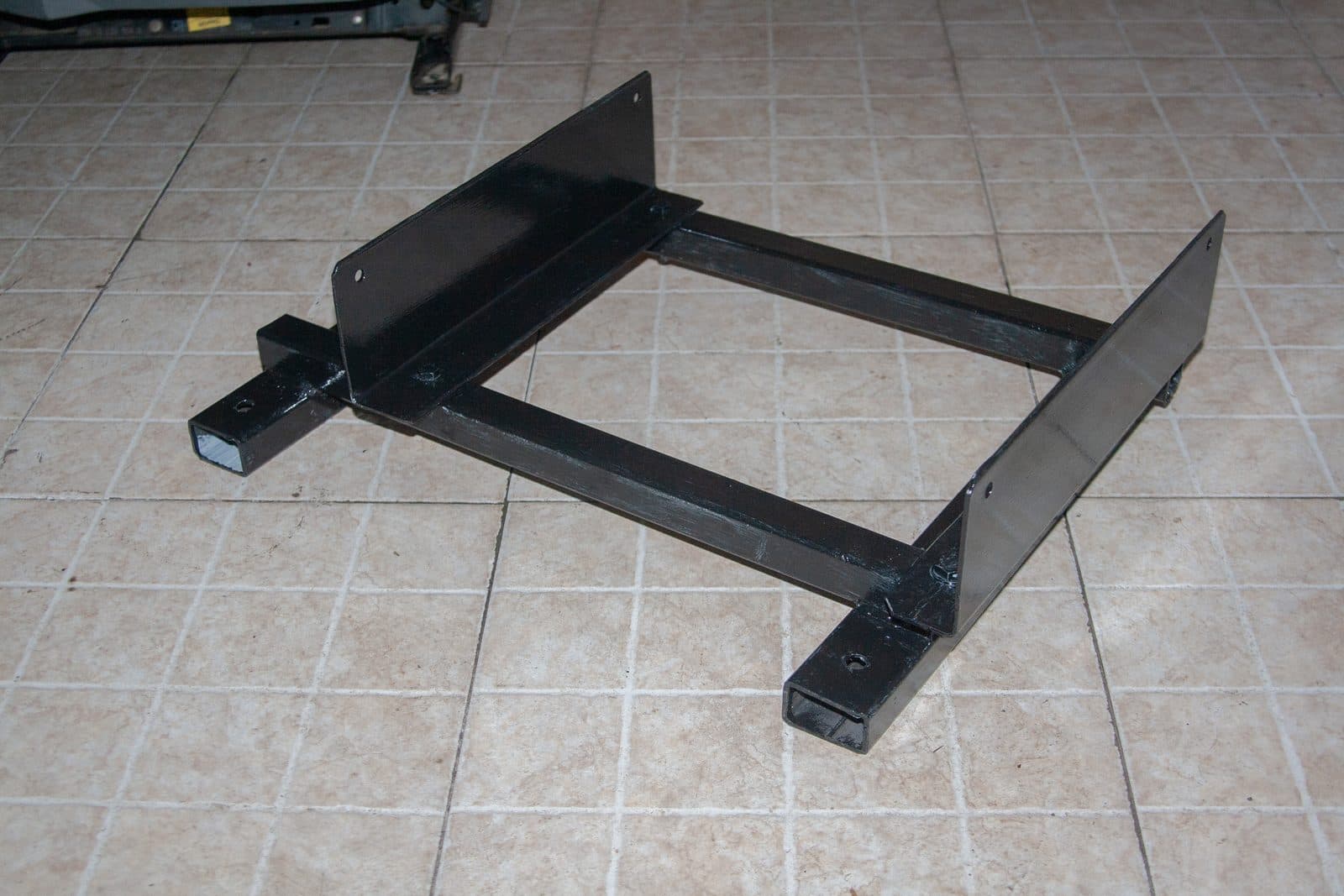
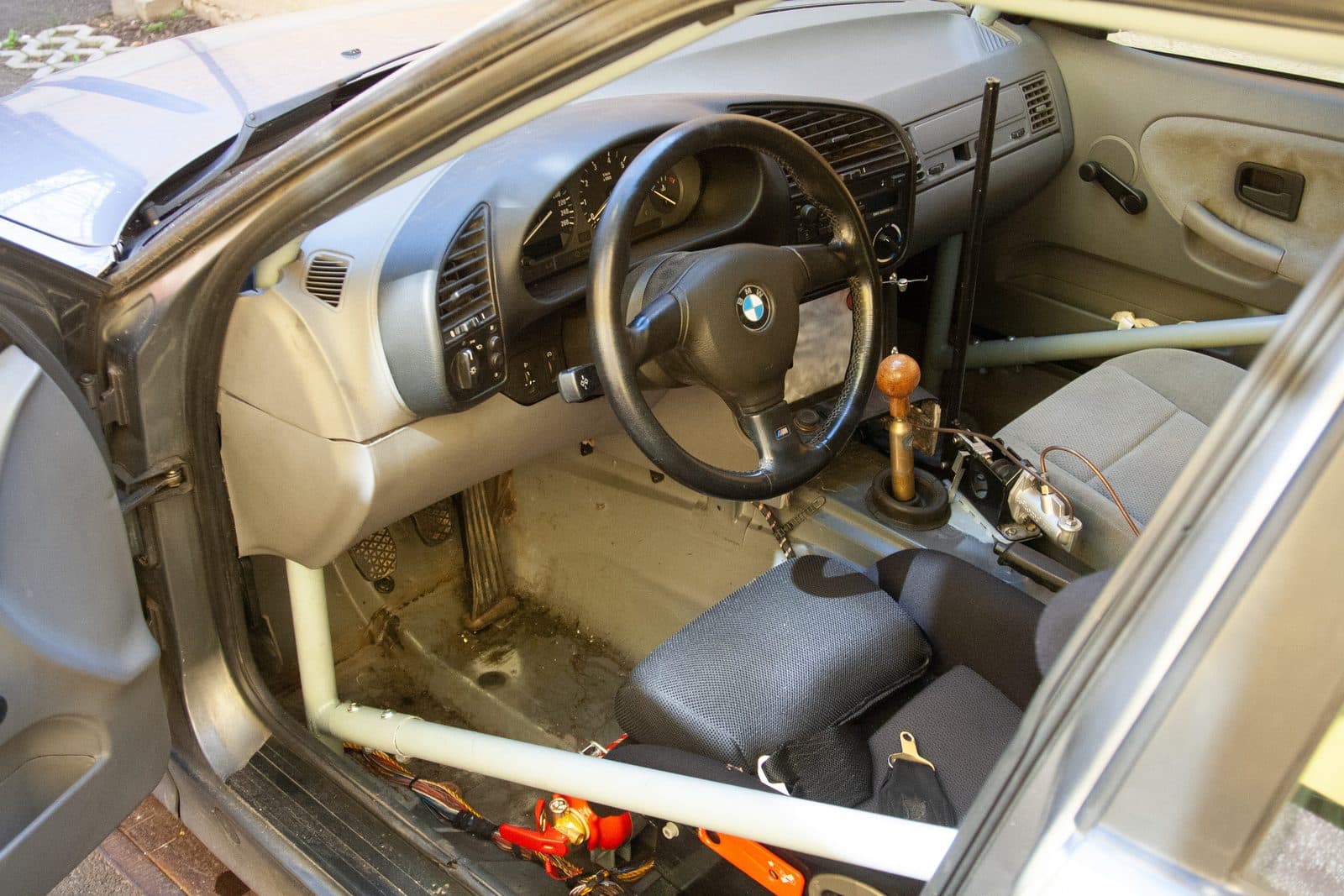
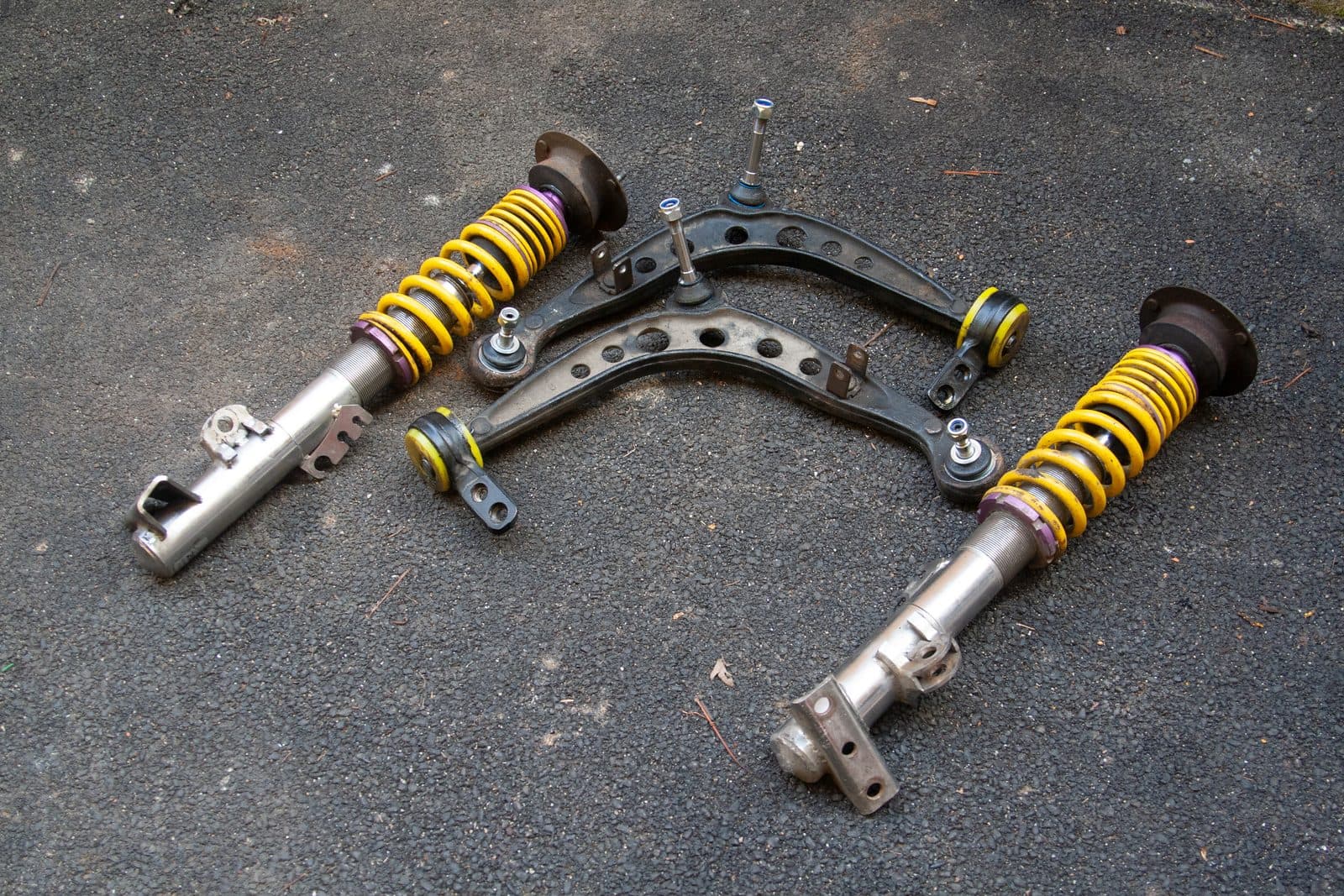
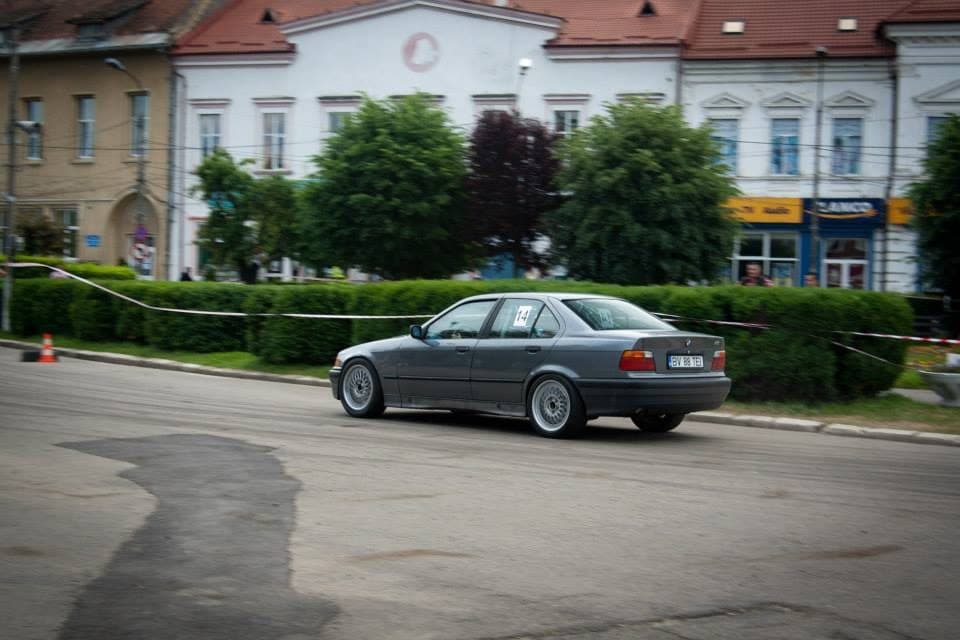
The next BMW I got was a bone-stock 1991 320i E36 with a healthy 150hp — a bit low for a drift car, but just enough for a start. The same philosophy as in my previous builds applied: upgrade the suspension and brakes, leave the rest alone. The only exceptions were the roll cage and safety gear. So I got a bolt-in cage, fabricated some seat supports, mounted a hydraulic handbrake, refreshed the suspension and brakes and installed a KW V1 coilover kit. I registered the car as a road-legal race car and headed to my first race: a rally super stage for amateurs held in the center of a nearby city. The opposition was tough, but I managed to win overall. Then one of my semi-retired racer friends invited me to a regional hill climb event, and even though it wasn't drifting, I accepted. The general consensus at the time was that RWD cars were slow at hill climbs, as they were 200–300kg heavier than the FWD ones. With this in mind I headed to the event and did what I knew best: I drove it like a FWD car and kept drifting to a minimum — but not zero, just 5 to 10 degrees of SLIP ANGLE to kill understeer. Amazingly, this driving style proved quite efficient, and I ended up 5th overall, only 0.02s behind a 300hp Subaru. I was hooked!
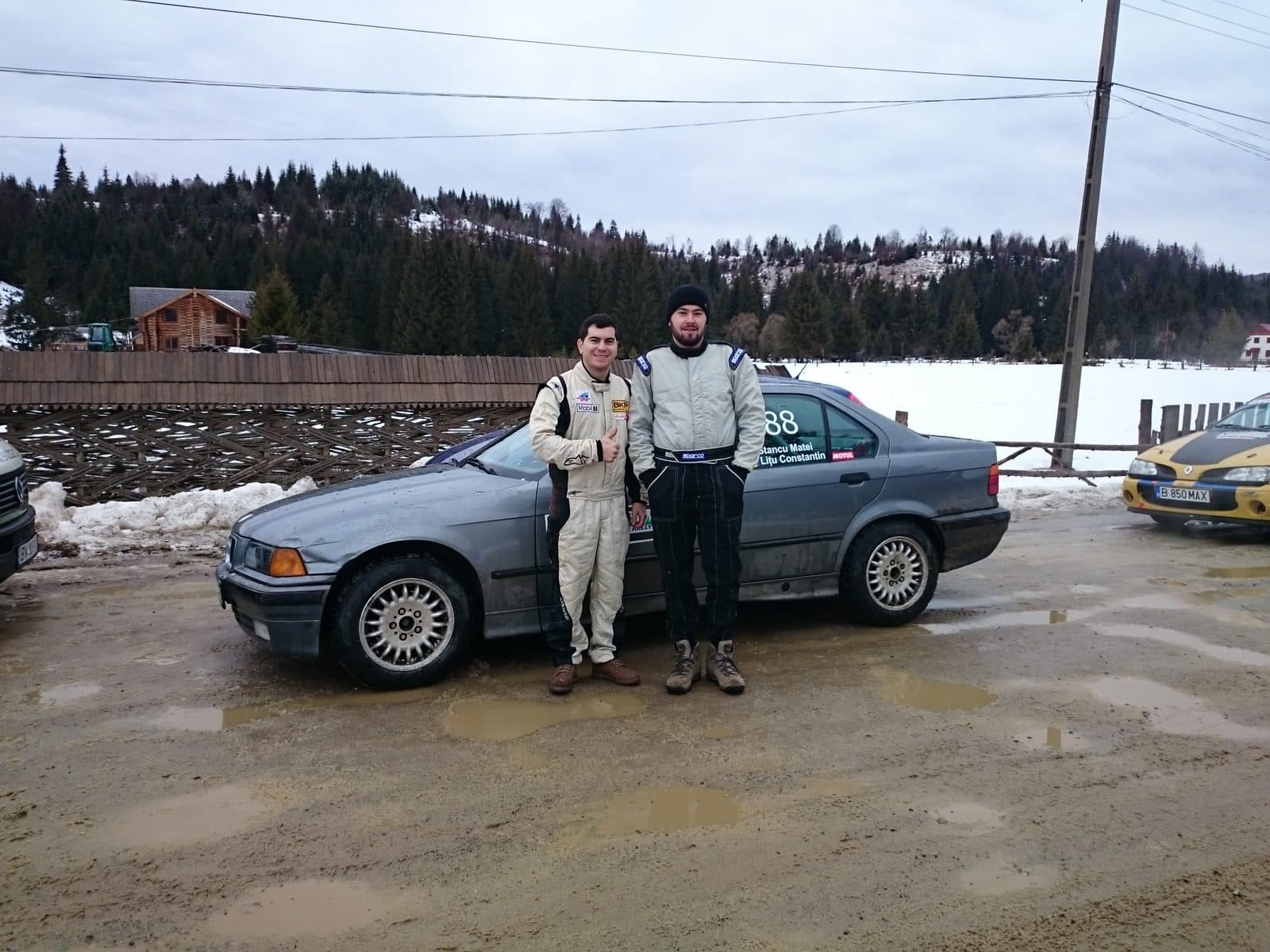
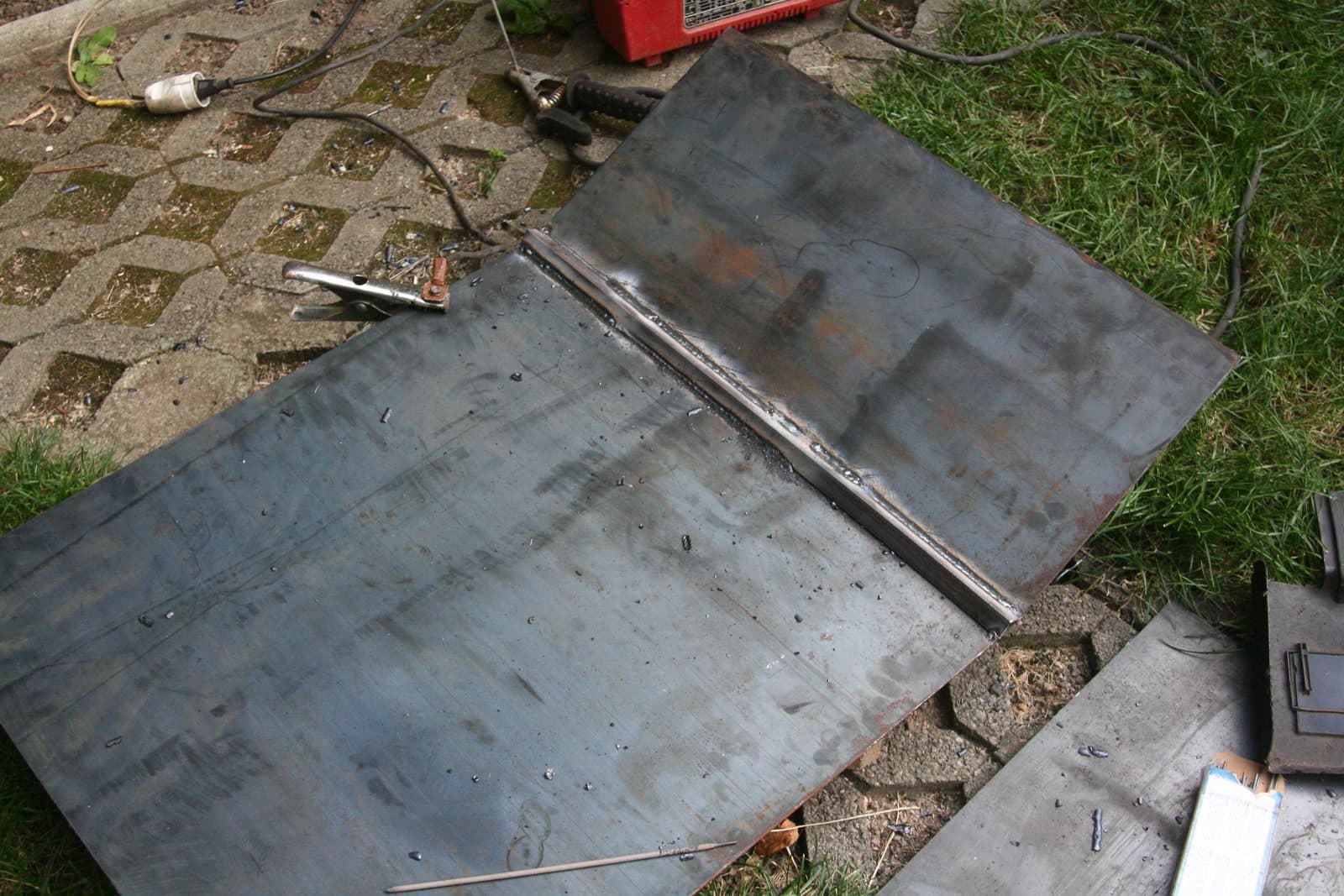
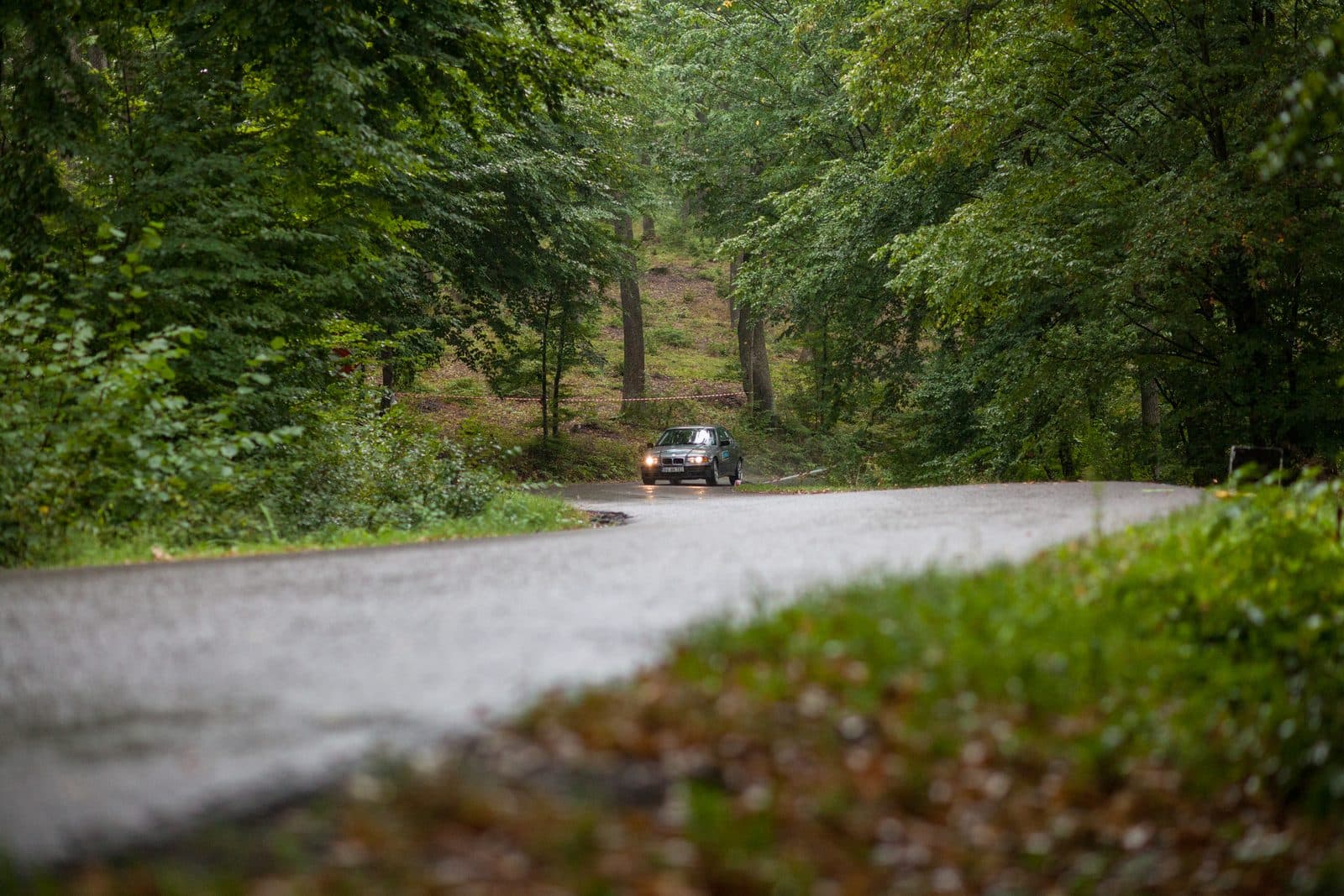
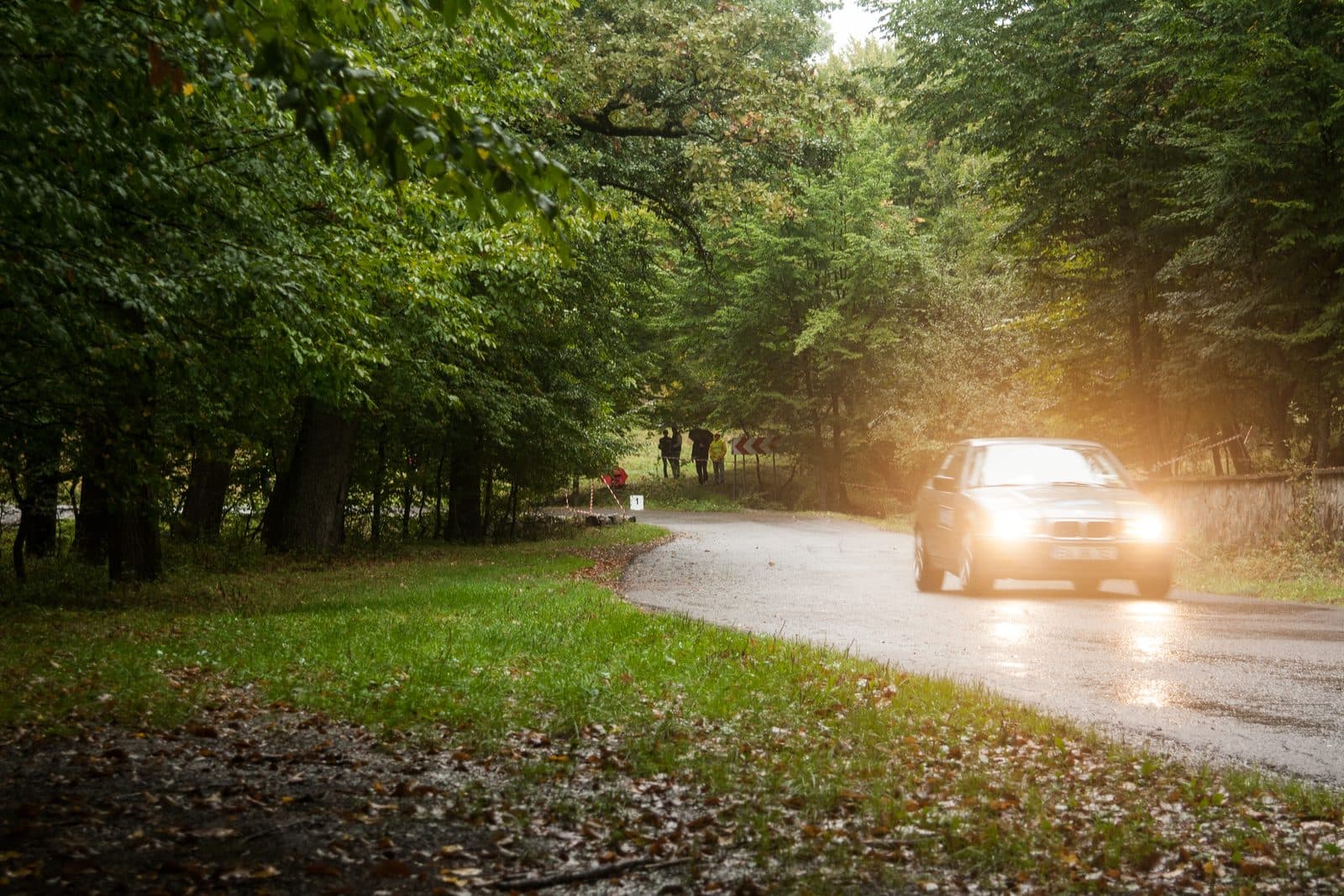
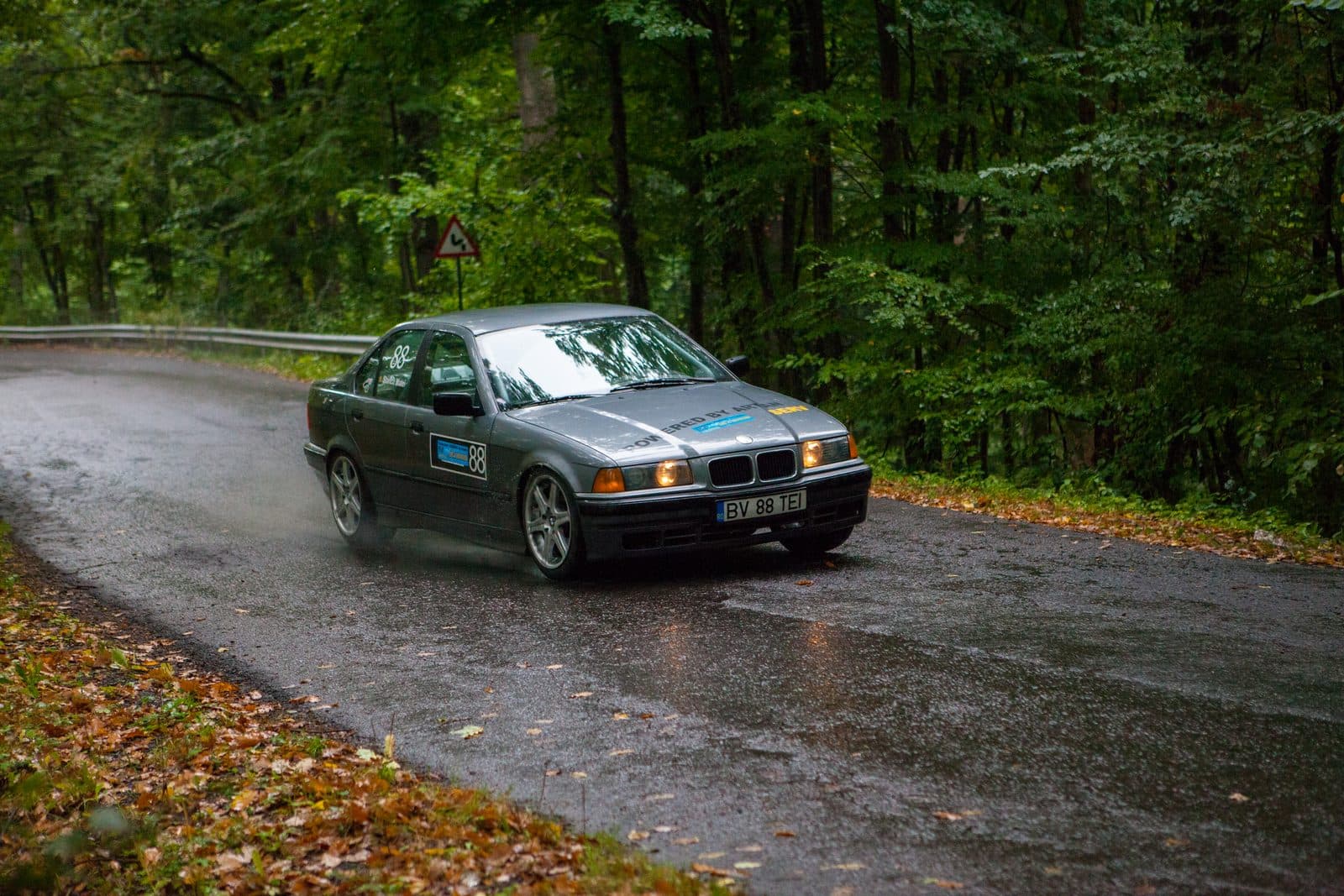
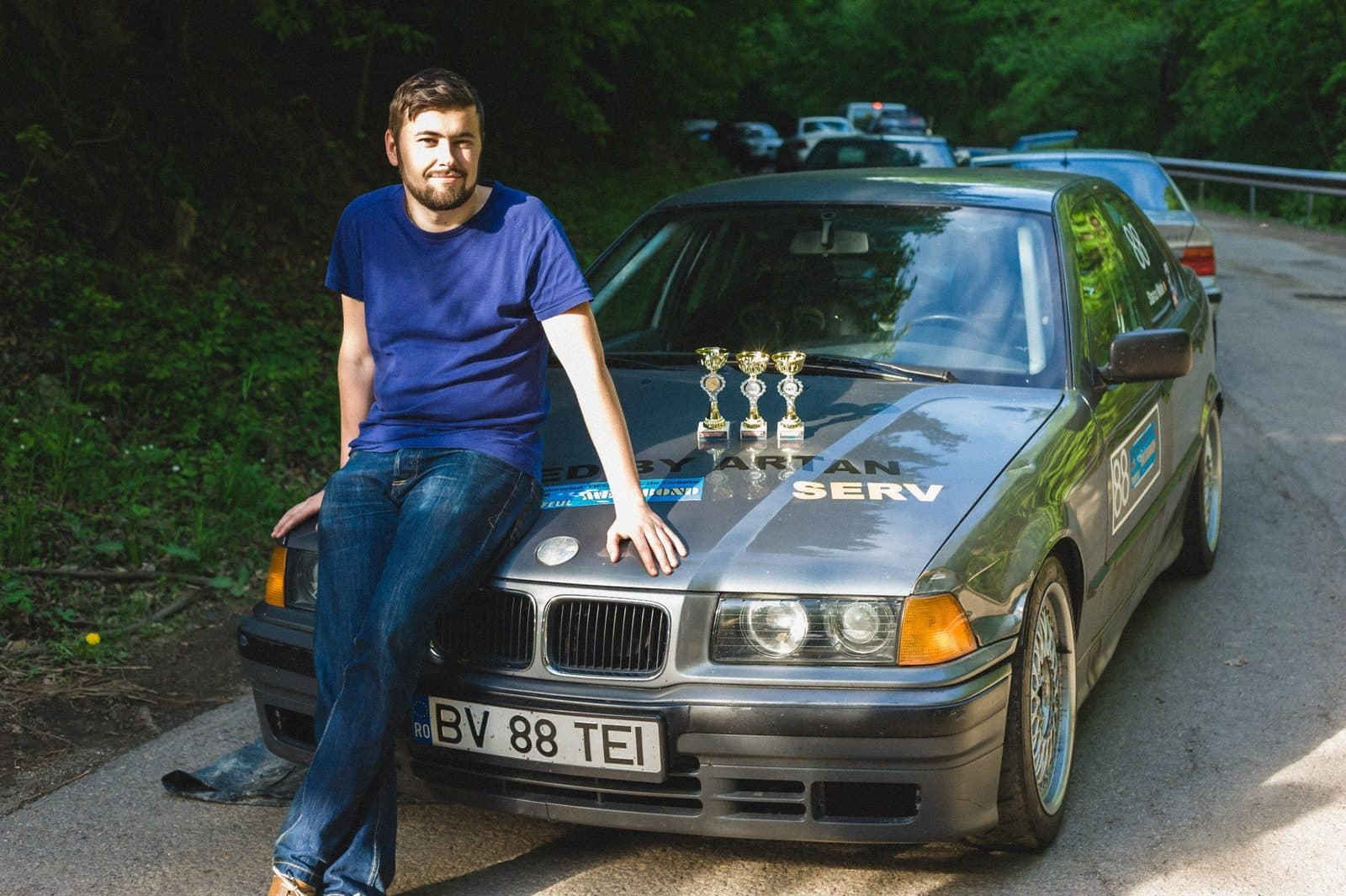
But my engine was not, and it soon gave way, so I replaced it with a 2.5L 190hp engine and headed to my next challenge: the Covasna Winter Rally, my first proper rally. The car needed a few mods, like heavy-duty shocks and a skid plate, which I happily fabricated. There was plenty of sideways action and I ended up third in my class. As spring came around I planned to run the full regional hill climb championship, made up of 3 rounds all centered around a nearby city, Sfântu Gheorghe. Again I would be competing against both amateurs and professionals, mostly in FWD cars. Apart from a short-ratio diff the car didn't need much changing, so I kept improving my driving technique, always trying to optimize corner exits by running in the slip angle. This served me quite well: I won all rounds but one, even against 250hp FWD professional competitors.
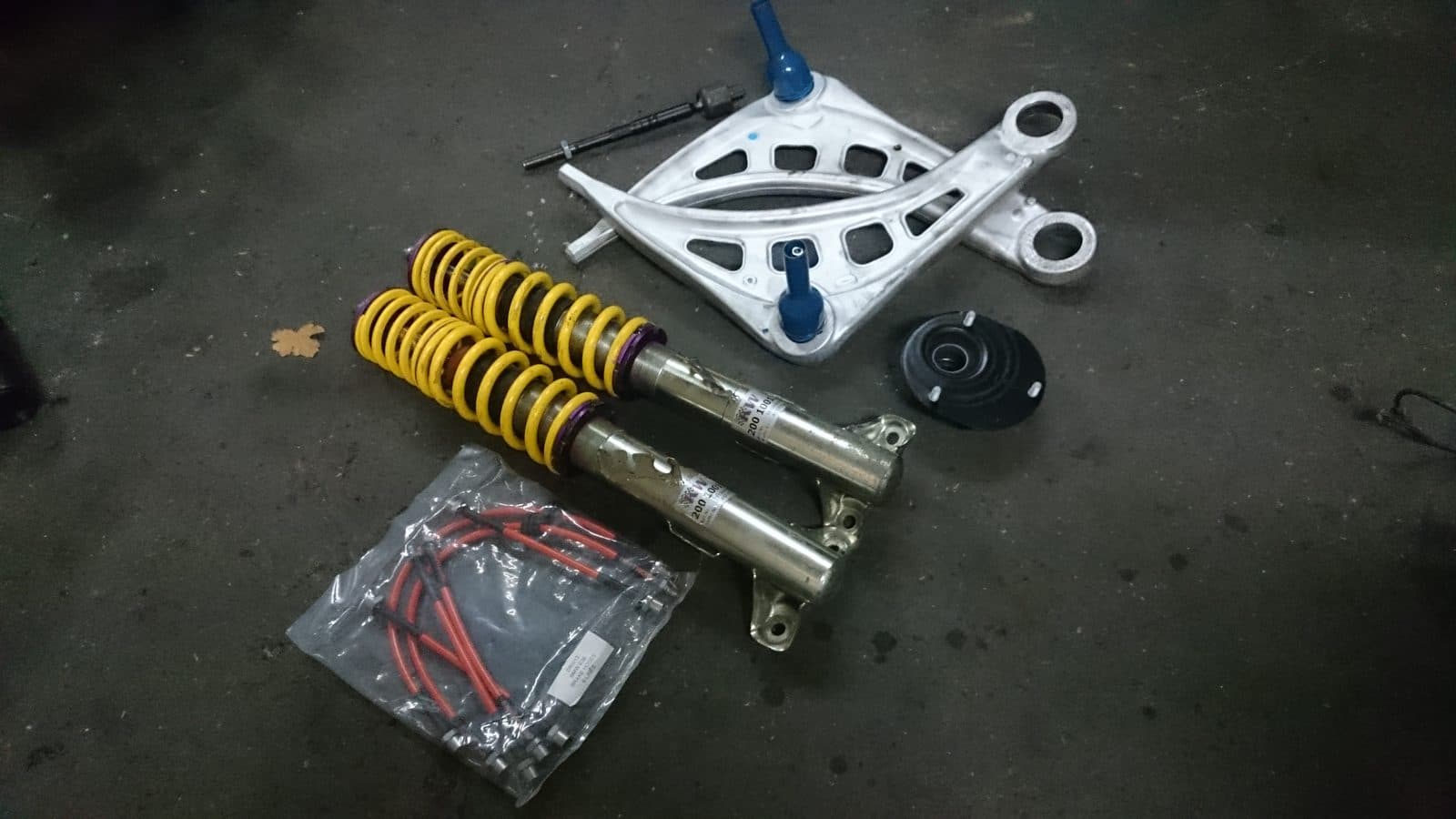
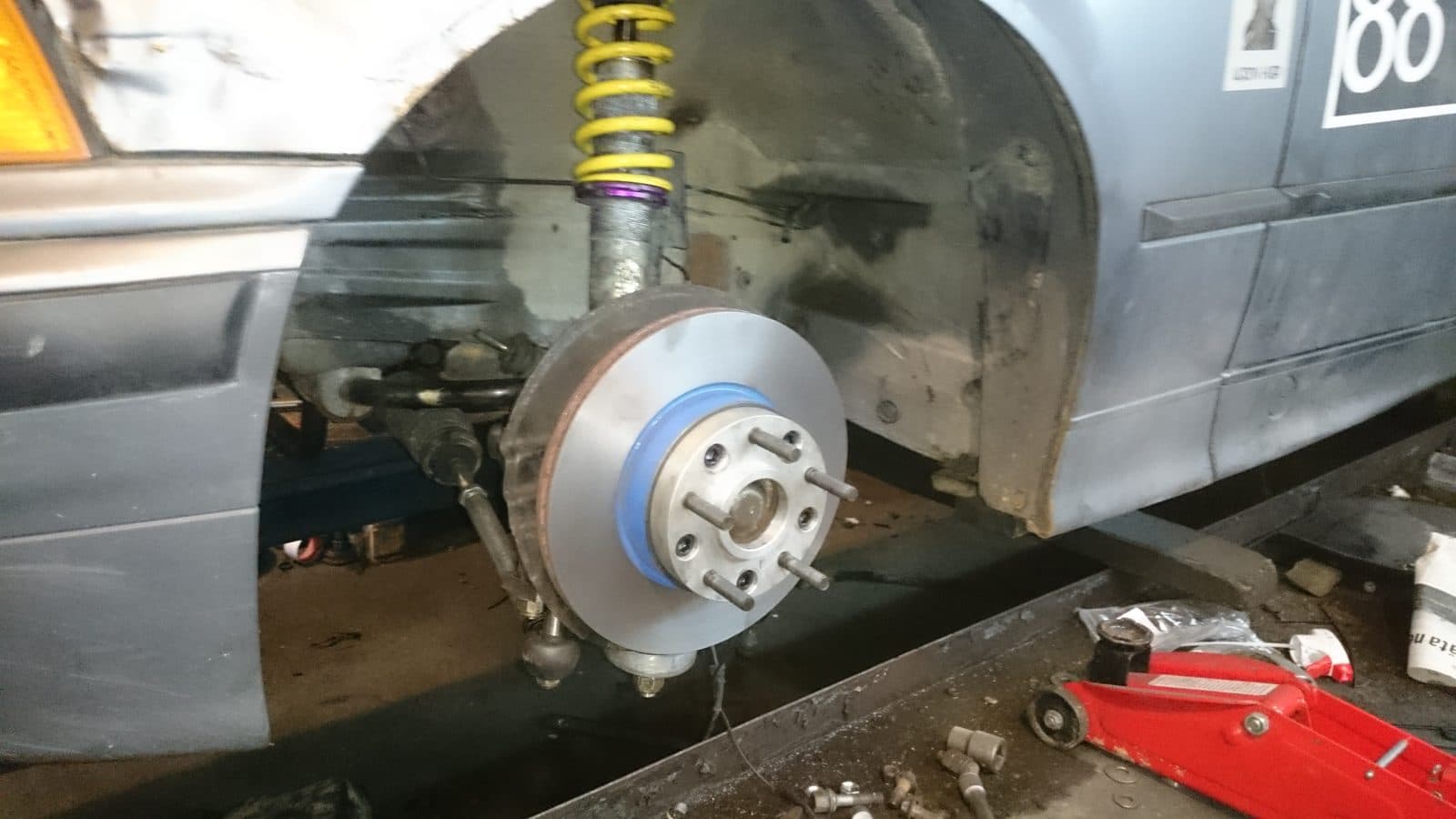
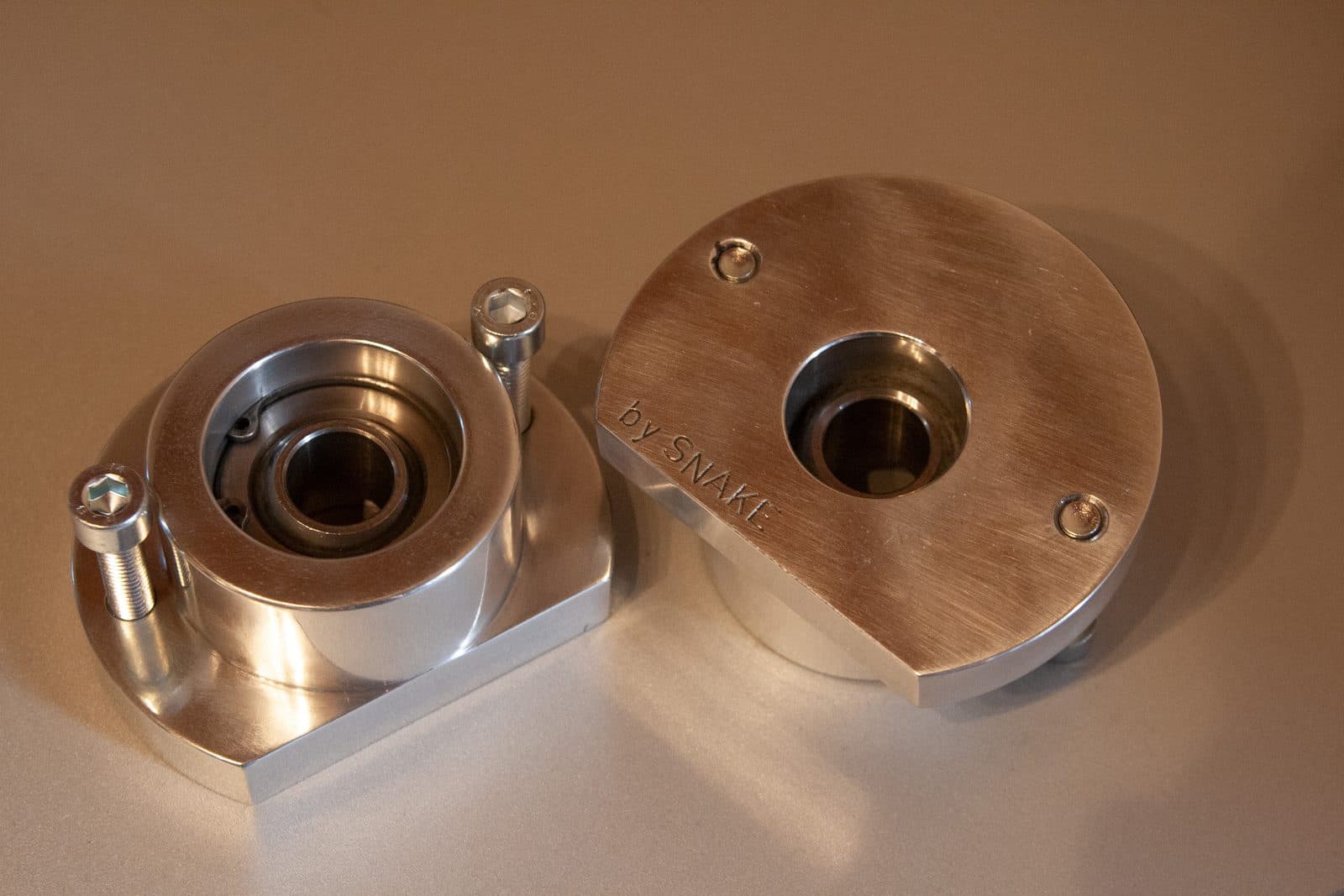
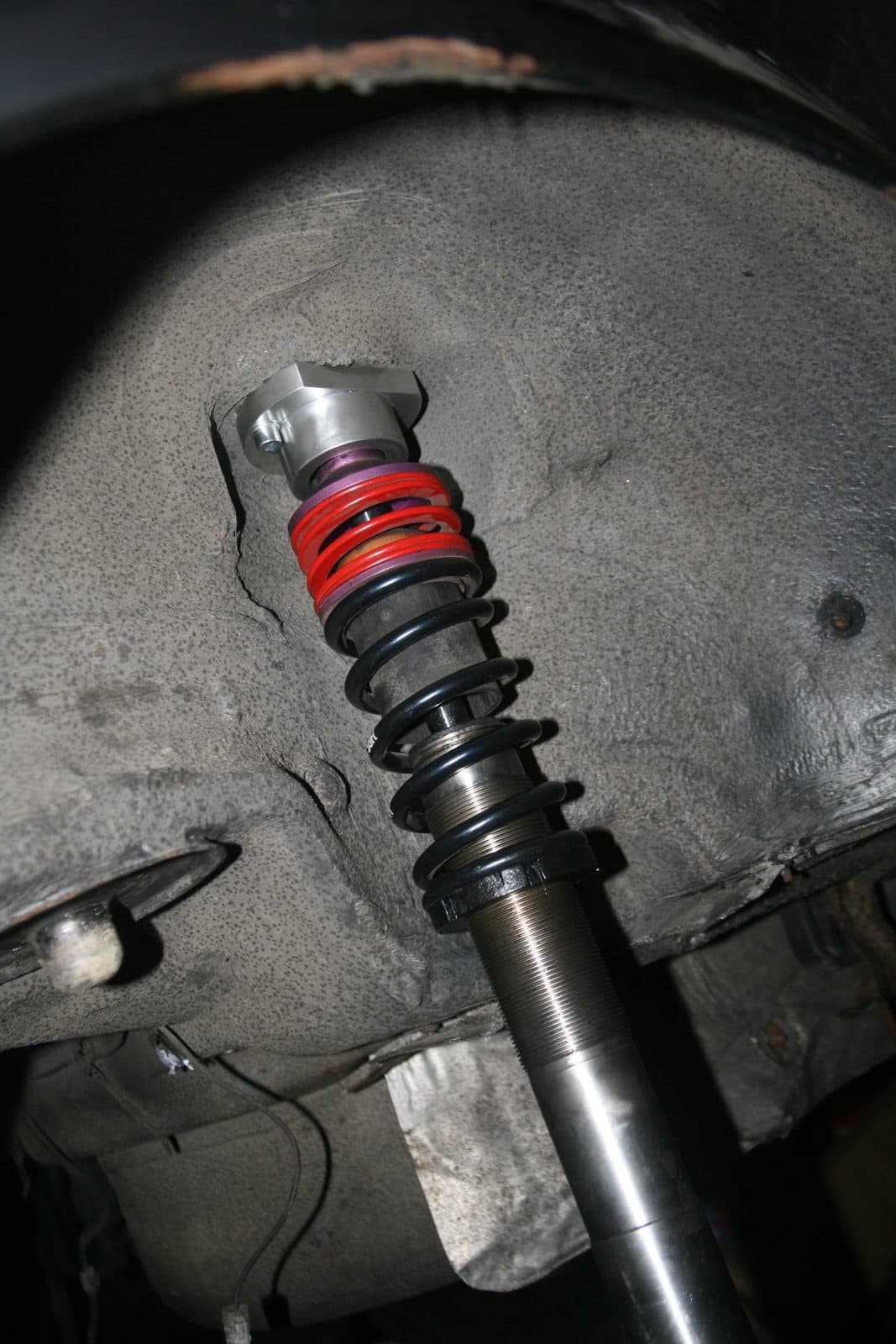
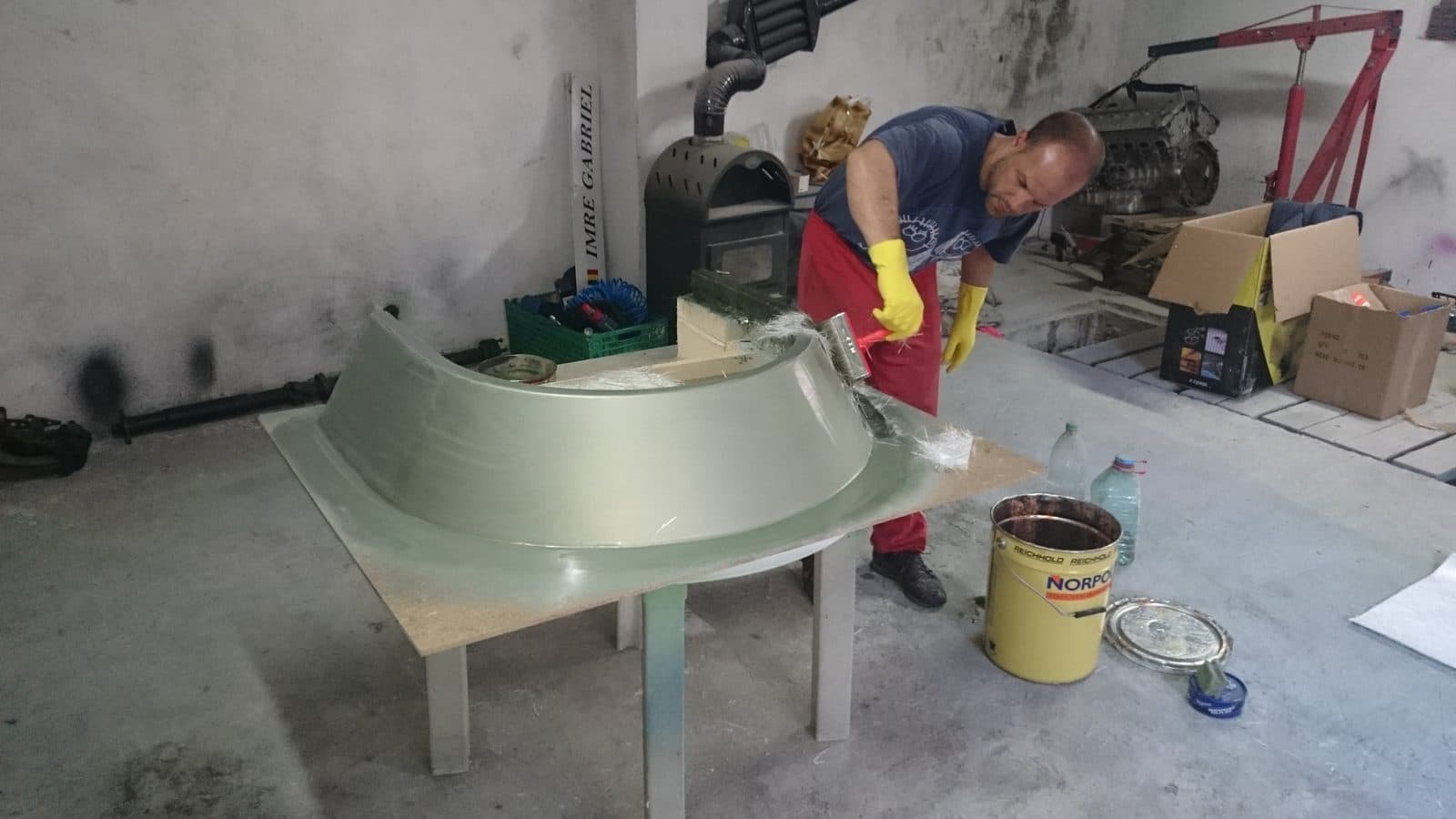
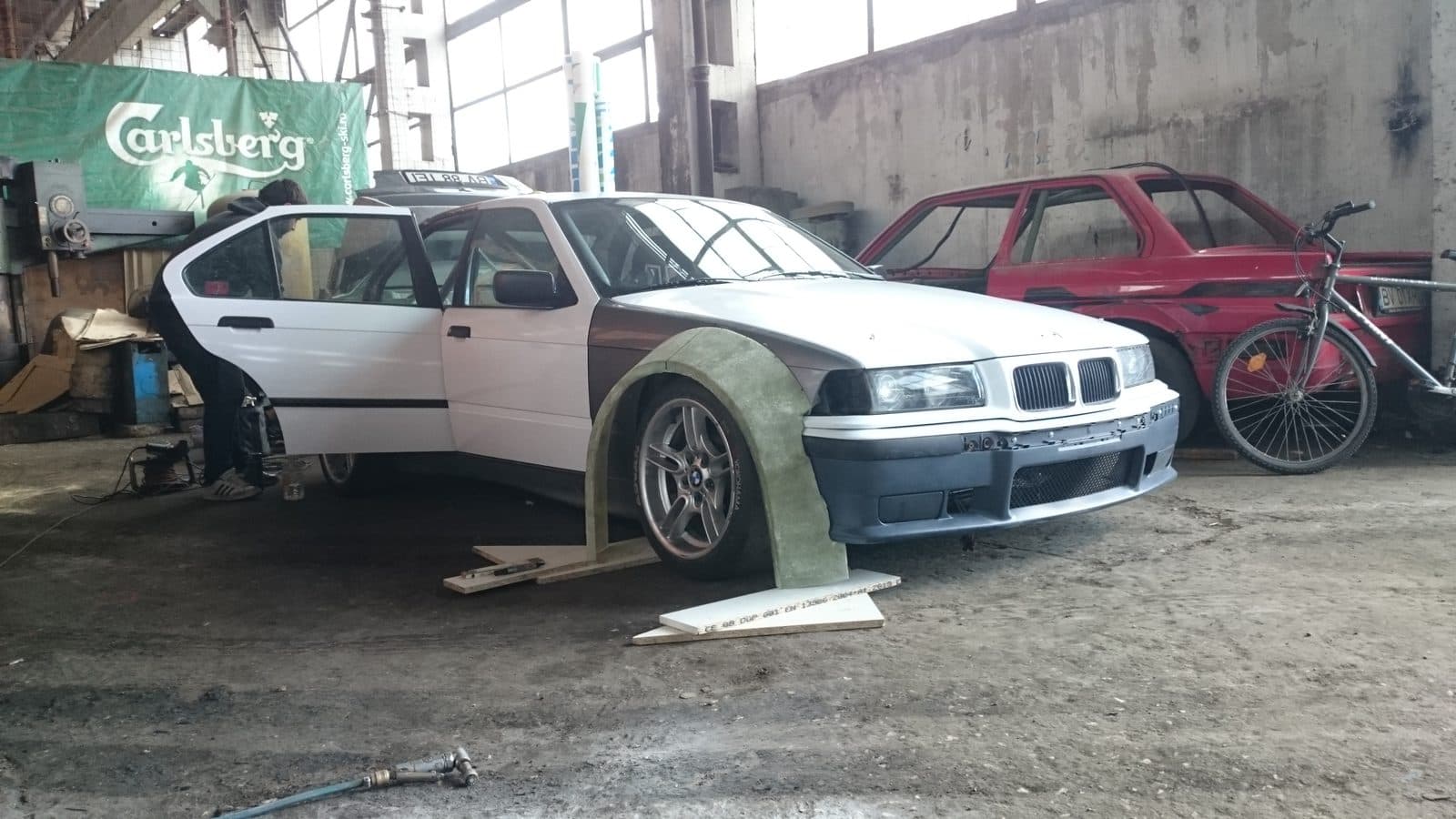
As a regional champion I headed to my next challenge, the 2016 Romanian National Hill Climb Championship. I knew the competition would be stiff, and with a 180hp limit any engine work was out of the question, so my attention naturally went to the suspension and tires. Together with a friend I hatched a plan: lower the car as much as possible and run the widest tires possible. Lowering the car required significant changes, as the front camber gain and roll center would need to be addressed. Running 240mm-wide tires would also need a wide body kit, and because money was tight we made all the required parts in house. We created a roll center correction kit for my E36 using E46 front arms, and with some clever engineering and parts reuse we ended up with a car 150mm wider. Next came the body kit, and because there was nothing available off the shelf, I built a mould for universal fiberglass overfenders. The resulting parts needed a lot of work to fit the car, but the result looked fine.
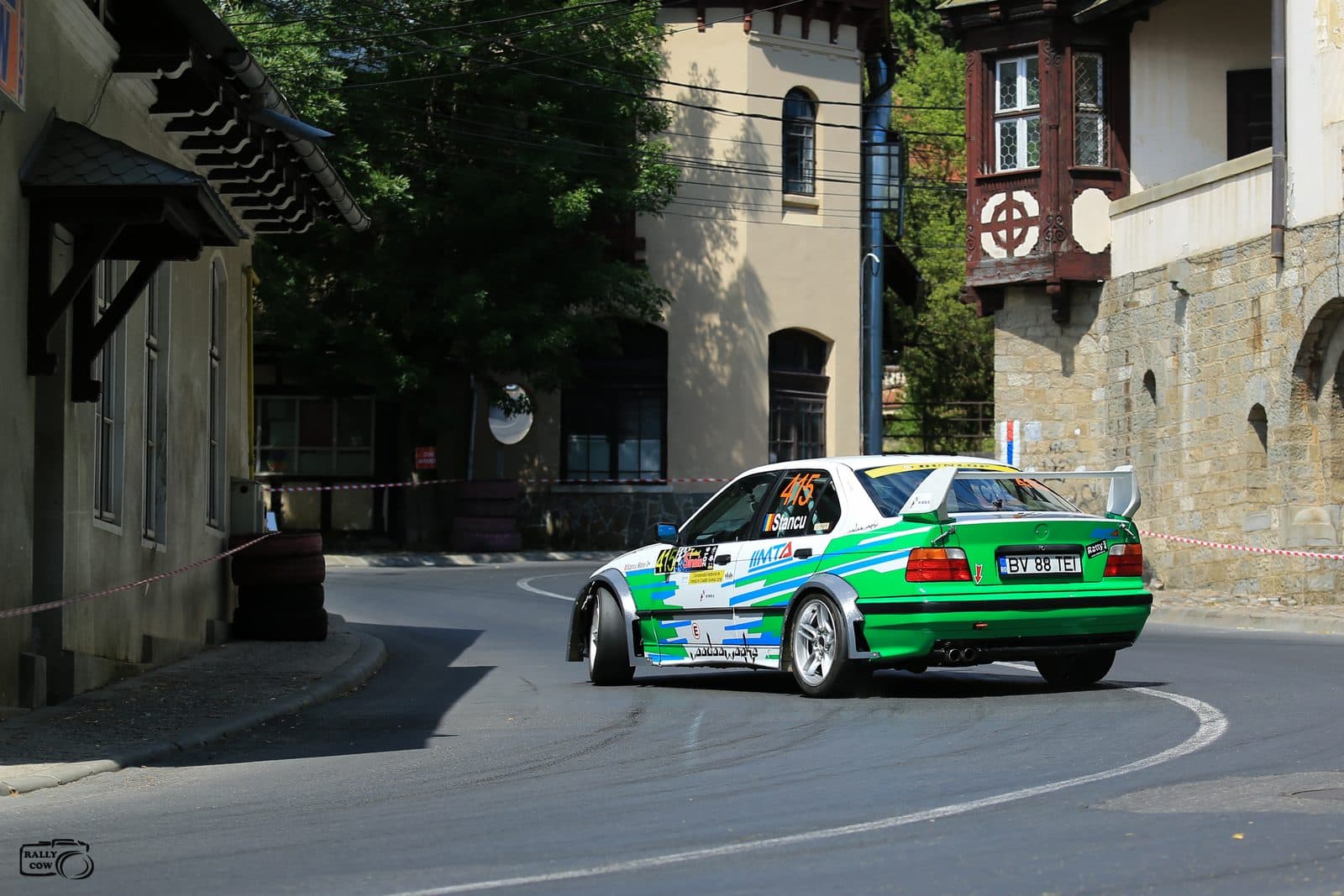
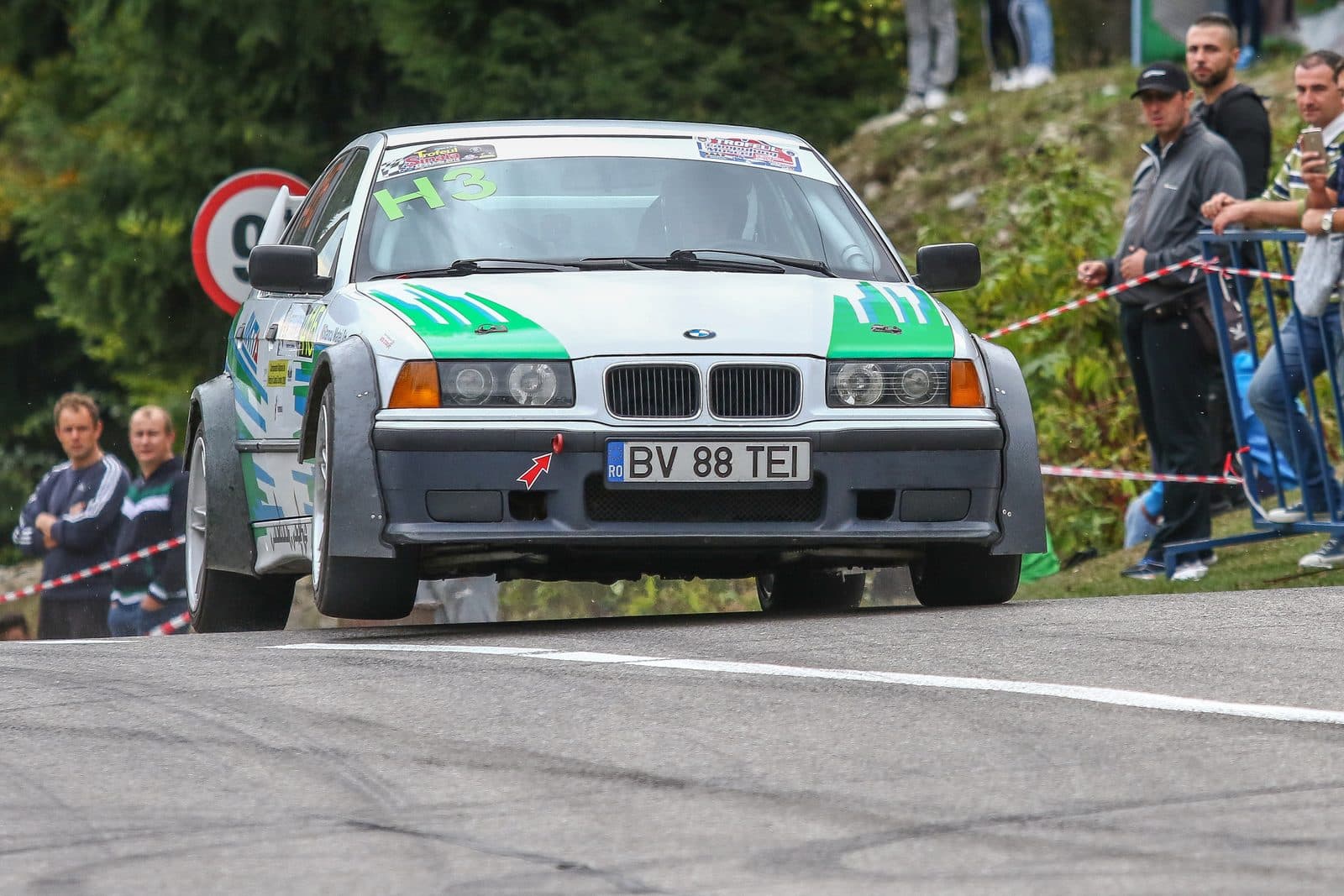
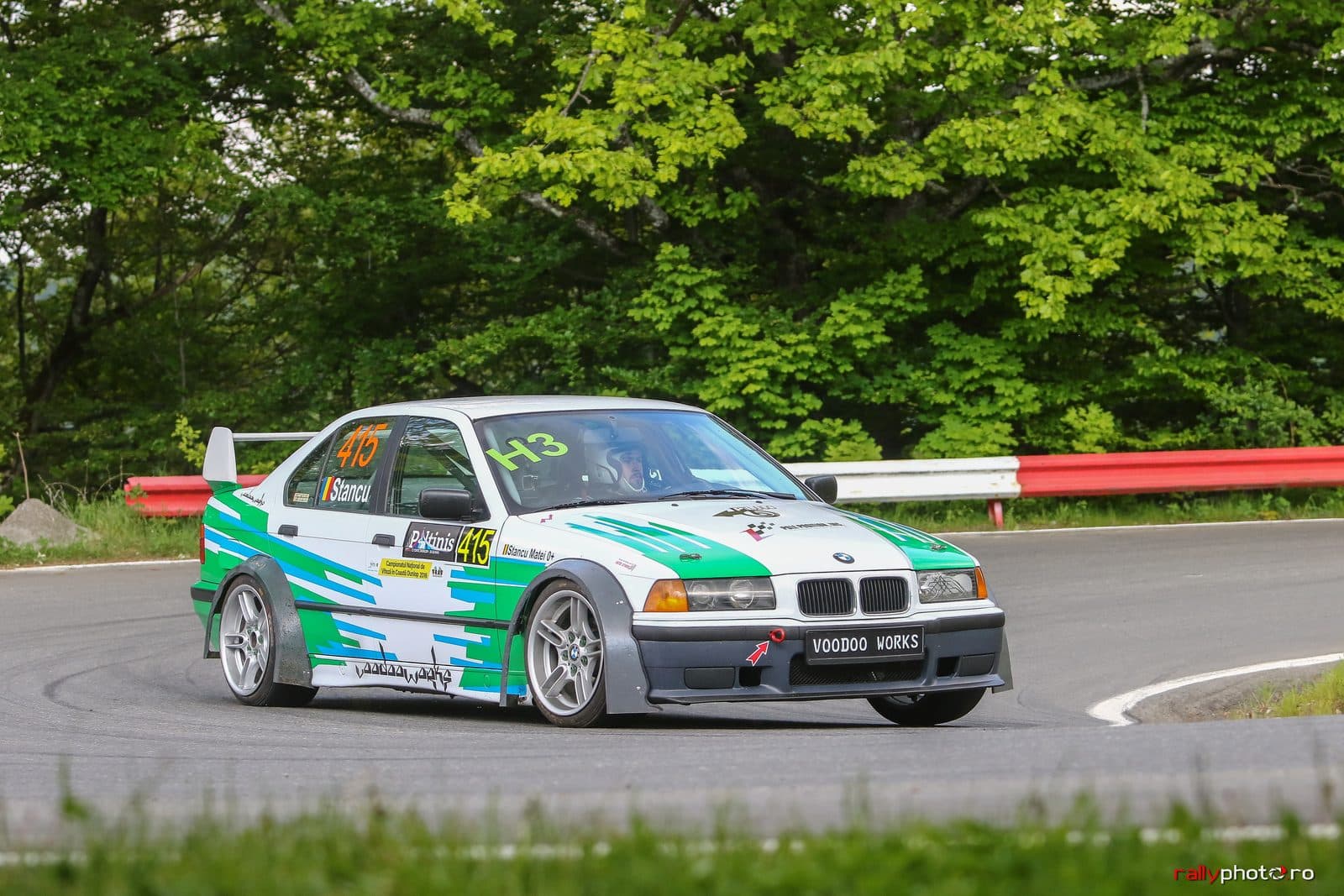
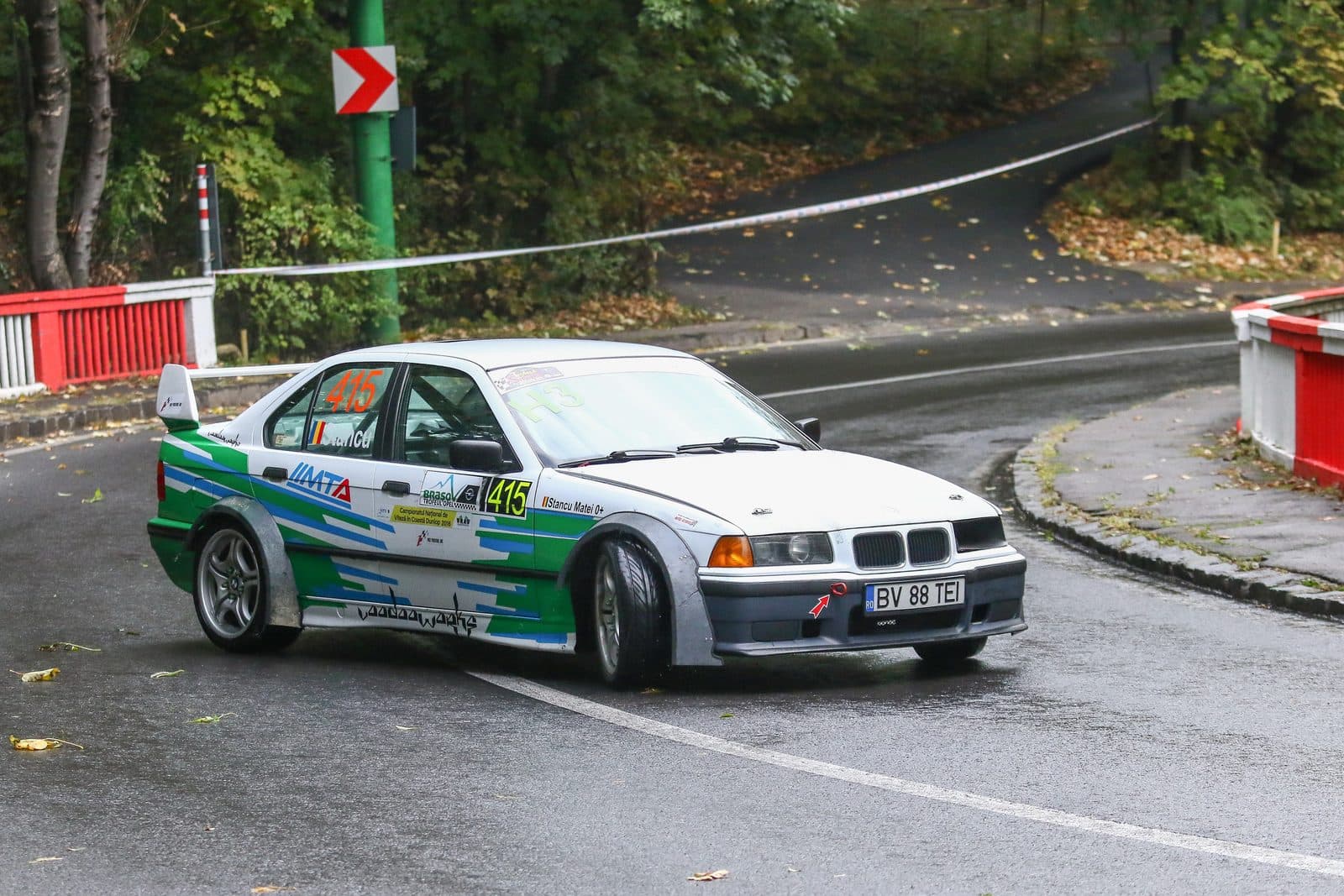
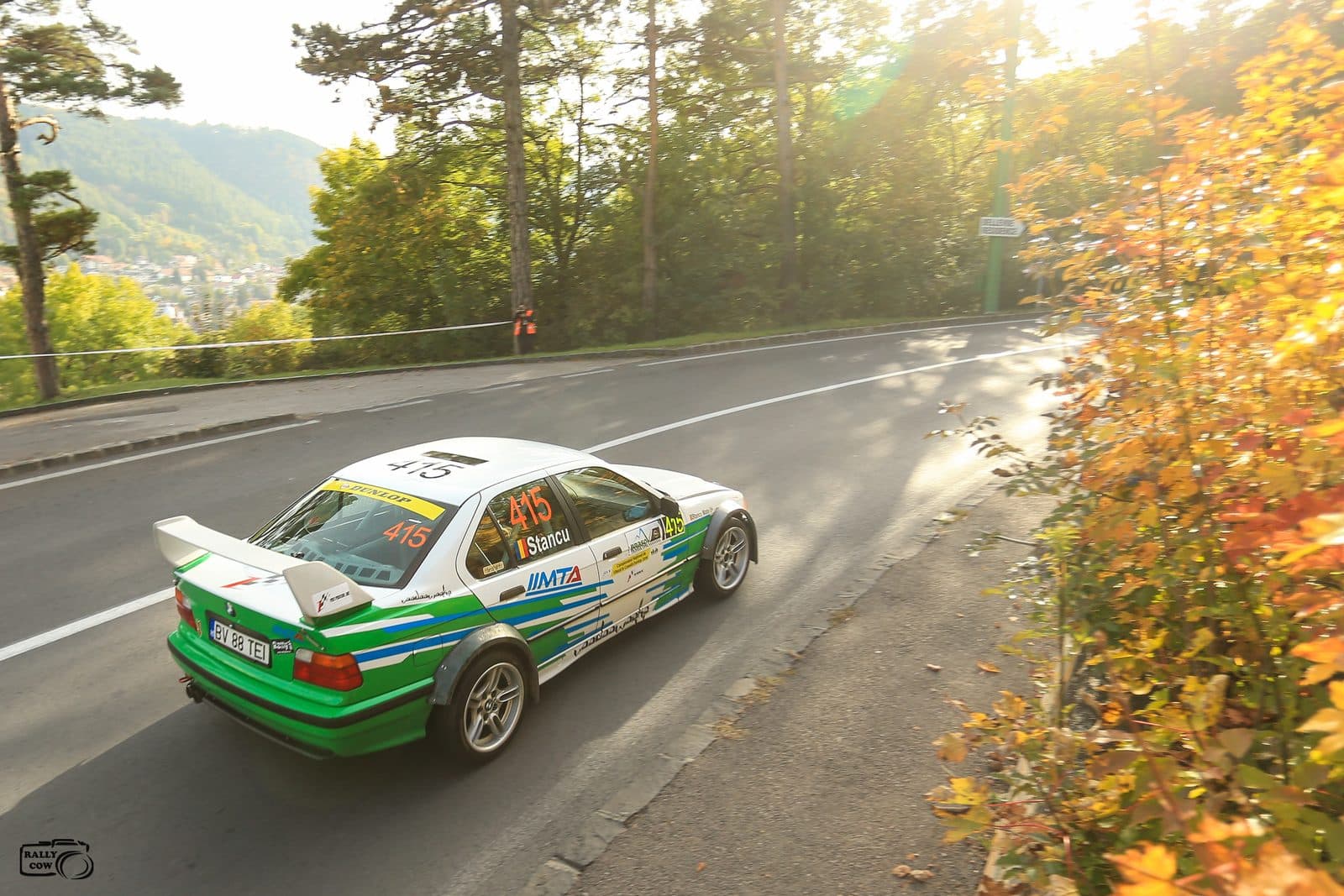
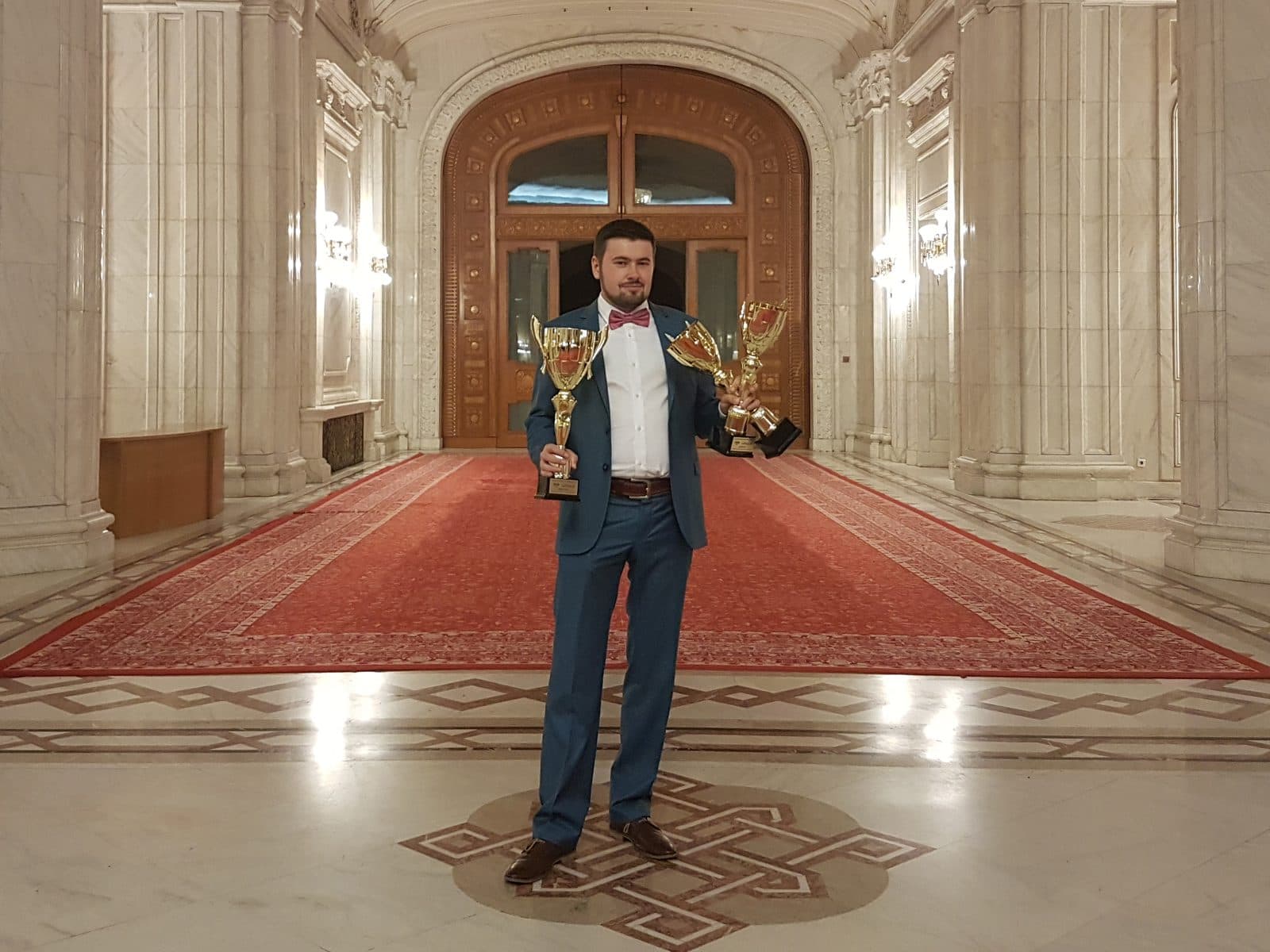
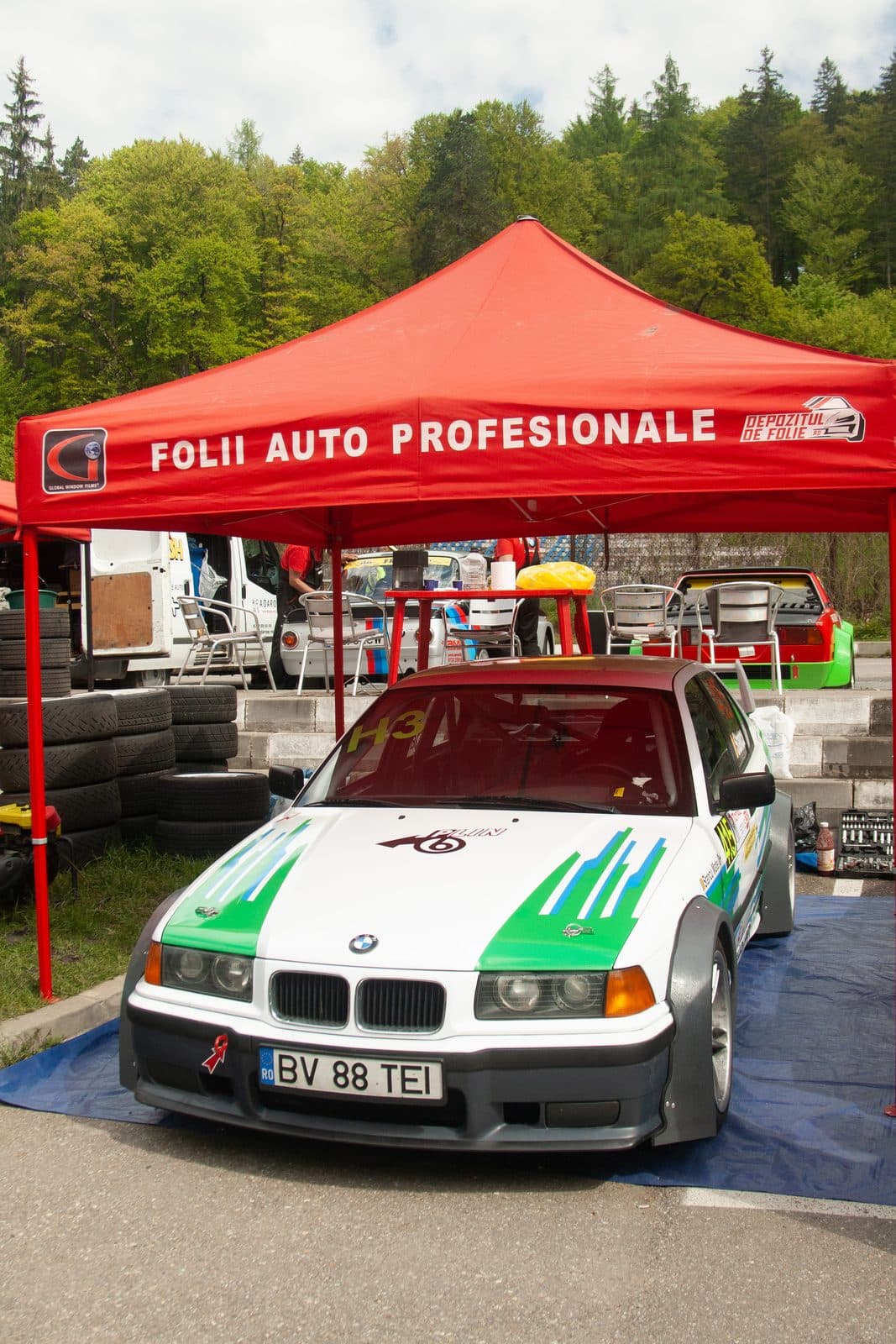
The 23rd of May 2016 was race day in the Romanian Hill Climb Championship. The car was ready and so was I, and the track was a familiar place — my training ground, the road from Râșnov to Poiana Brașov. I had home advantage and led most of the day in my novice class, but changing weather conditions kept me from taking the win. I ended up 2nd in the novice class, 3rd in the 2-to-3-litre class and 3rd in the RWD class, behind two Ferraris. Throughout the 2016 season I was either first or second in the novice class, and I finished the year 2nd overall in the novice class, 3rd in the 2-to-3-litre class and 3rd in the RWD class. All year the car ran flawlessly — a testament that if you choose parts wisely and do proper engineering, self-built cars can be successful.
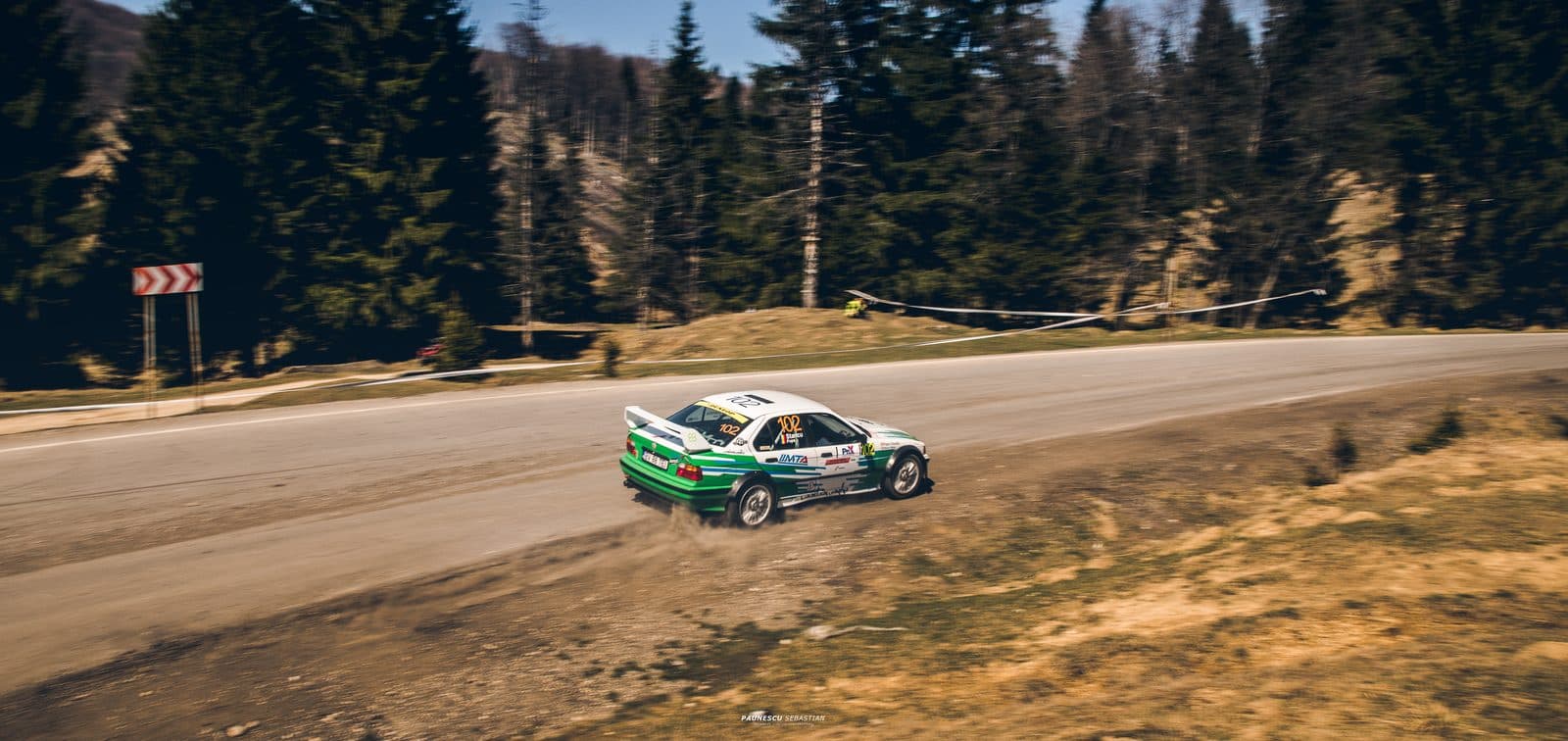
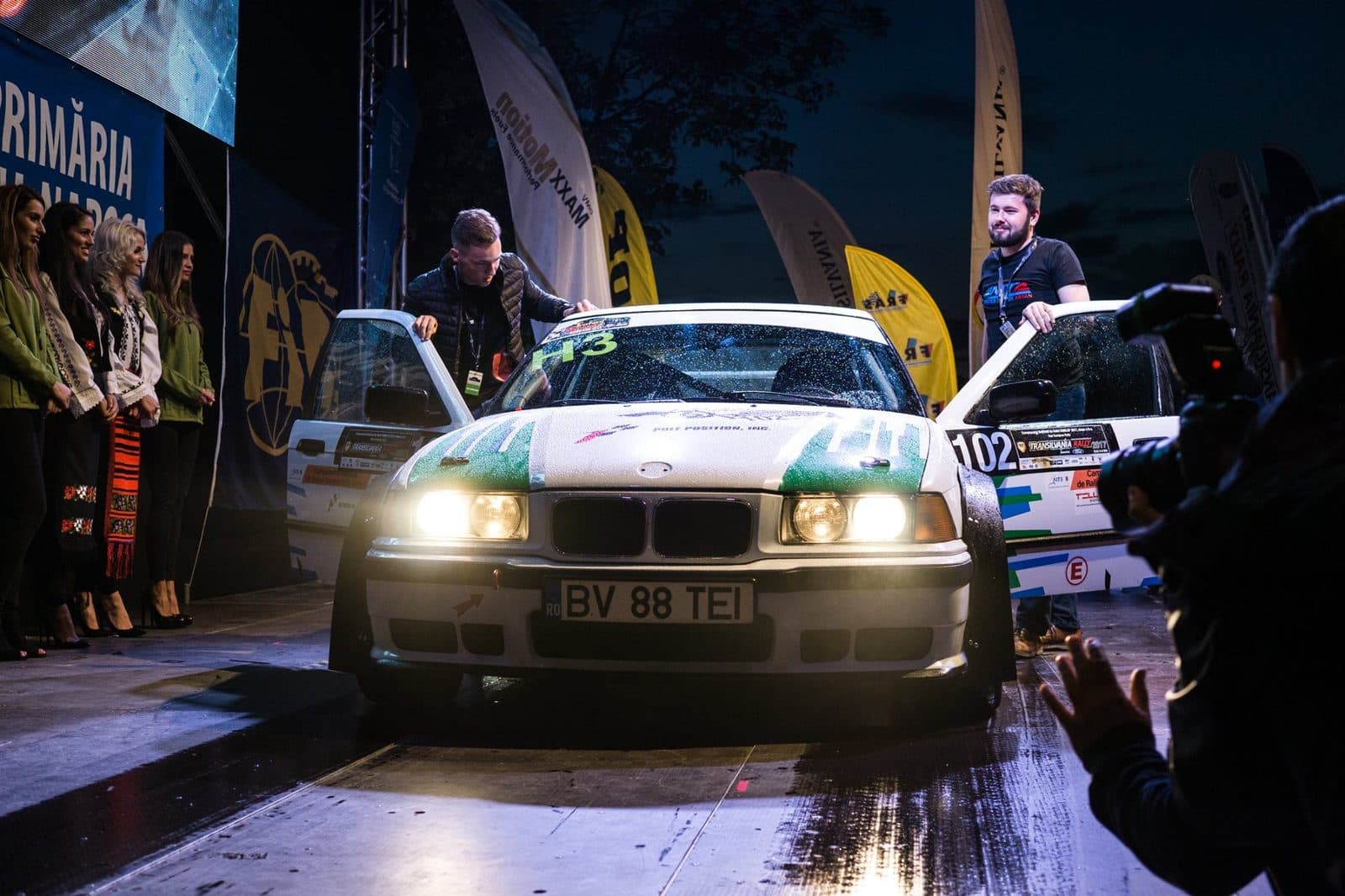
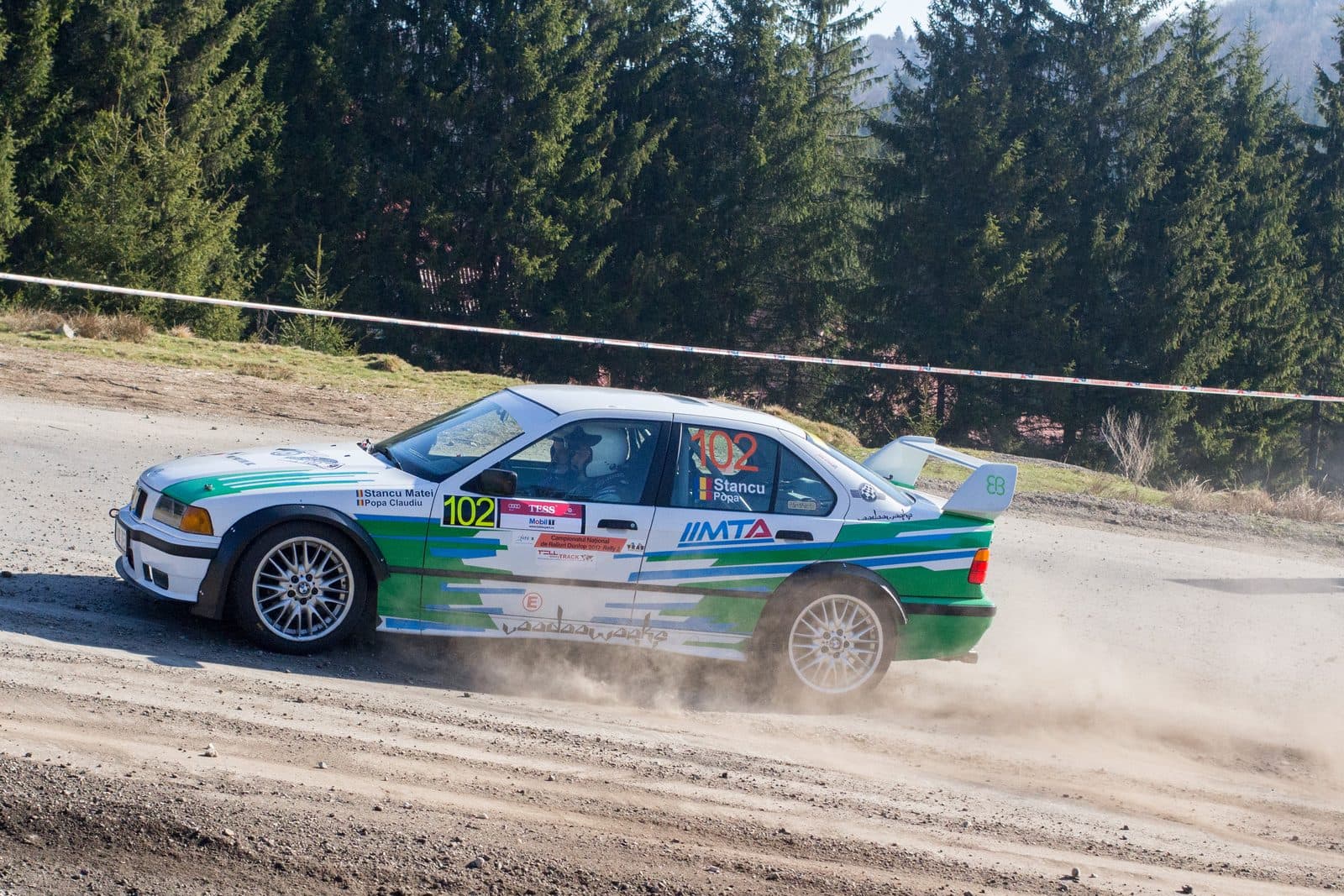
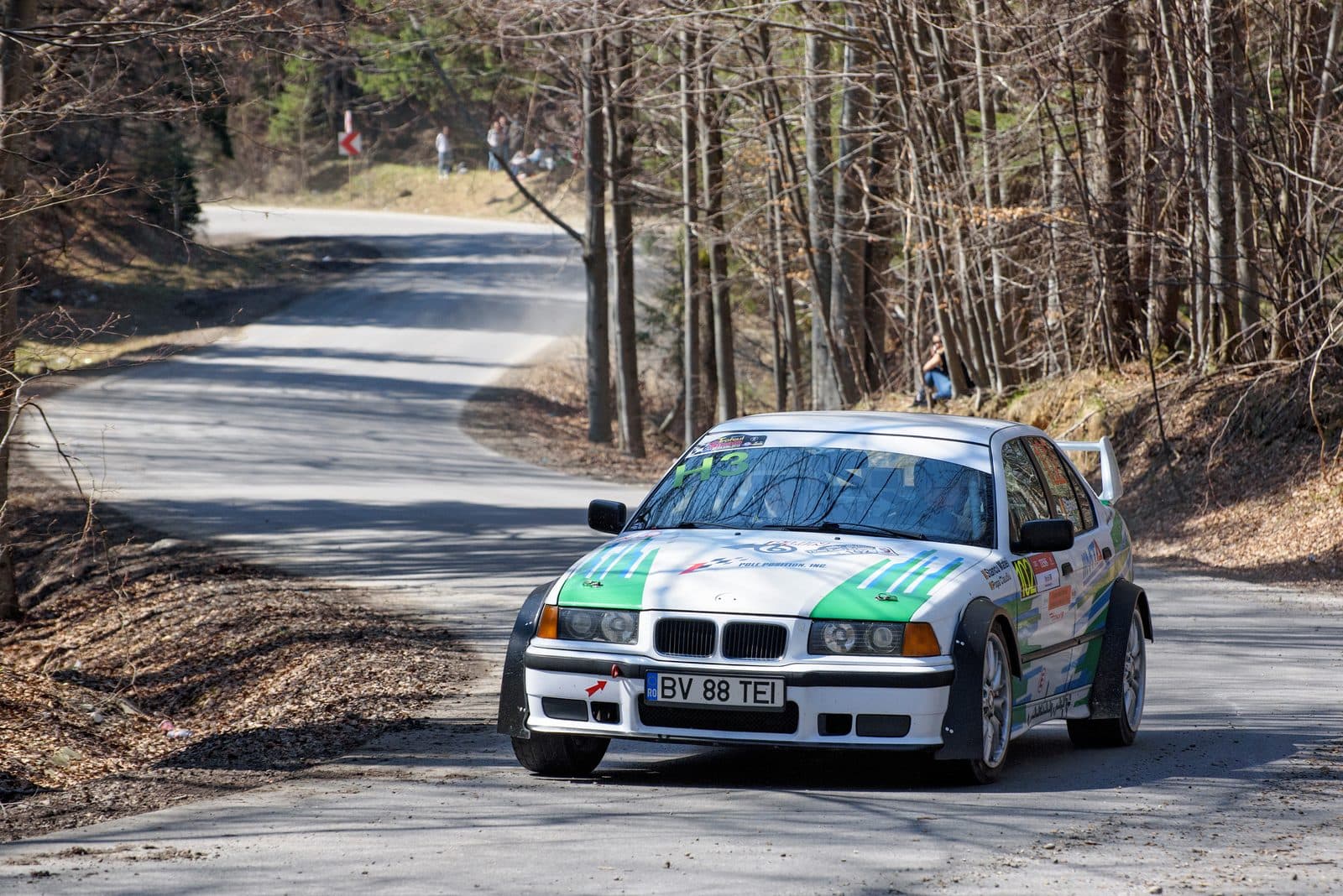
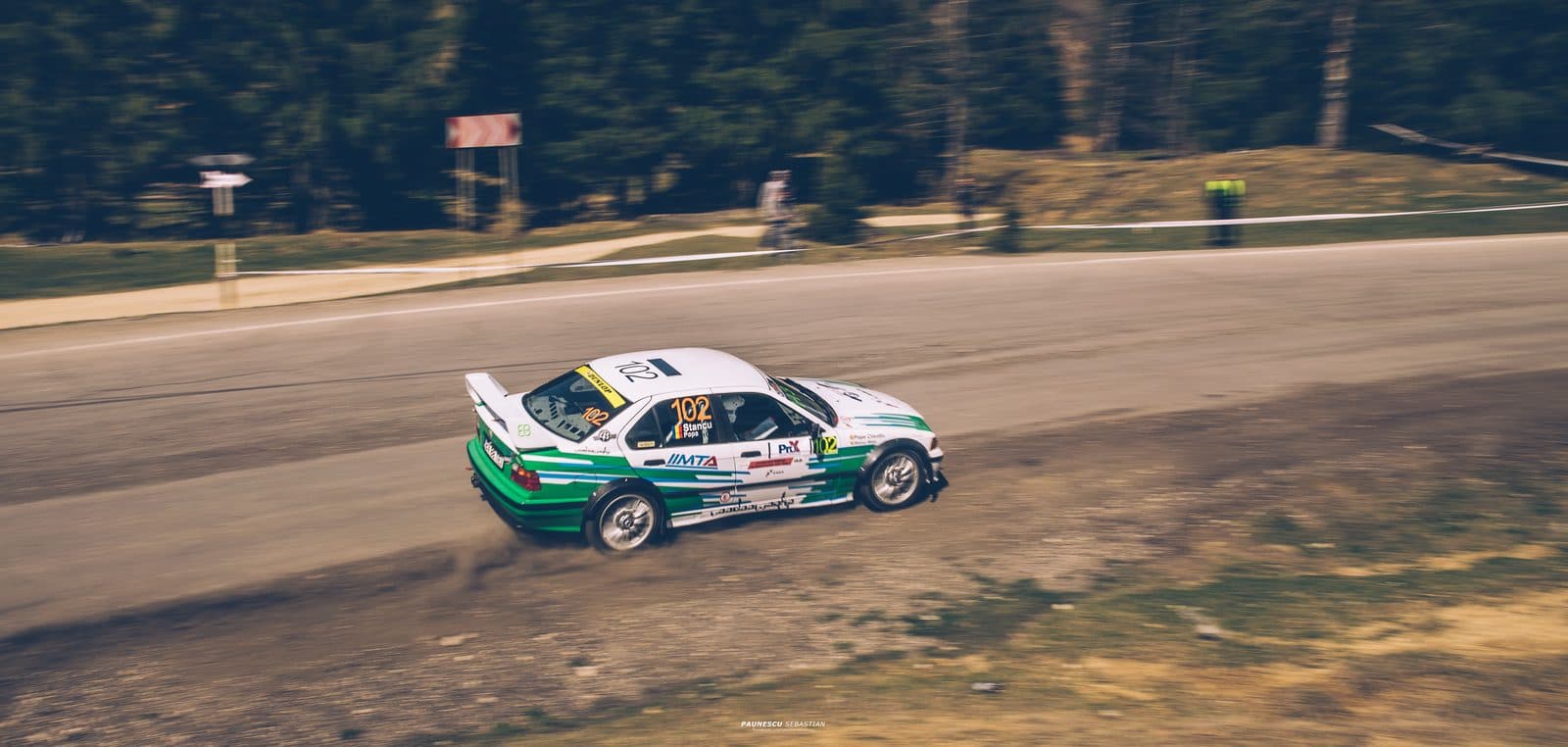
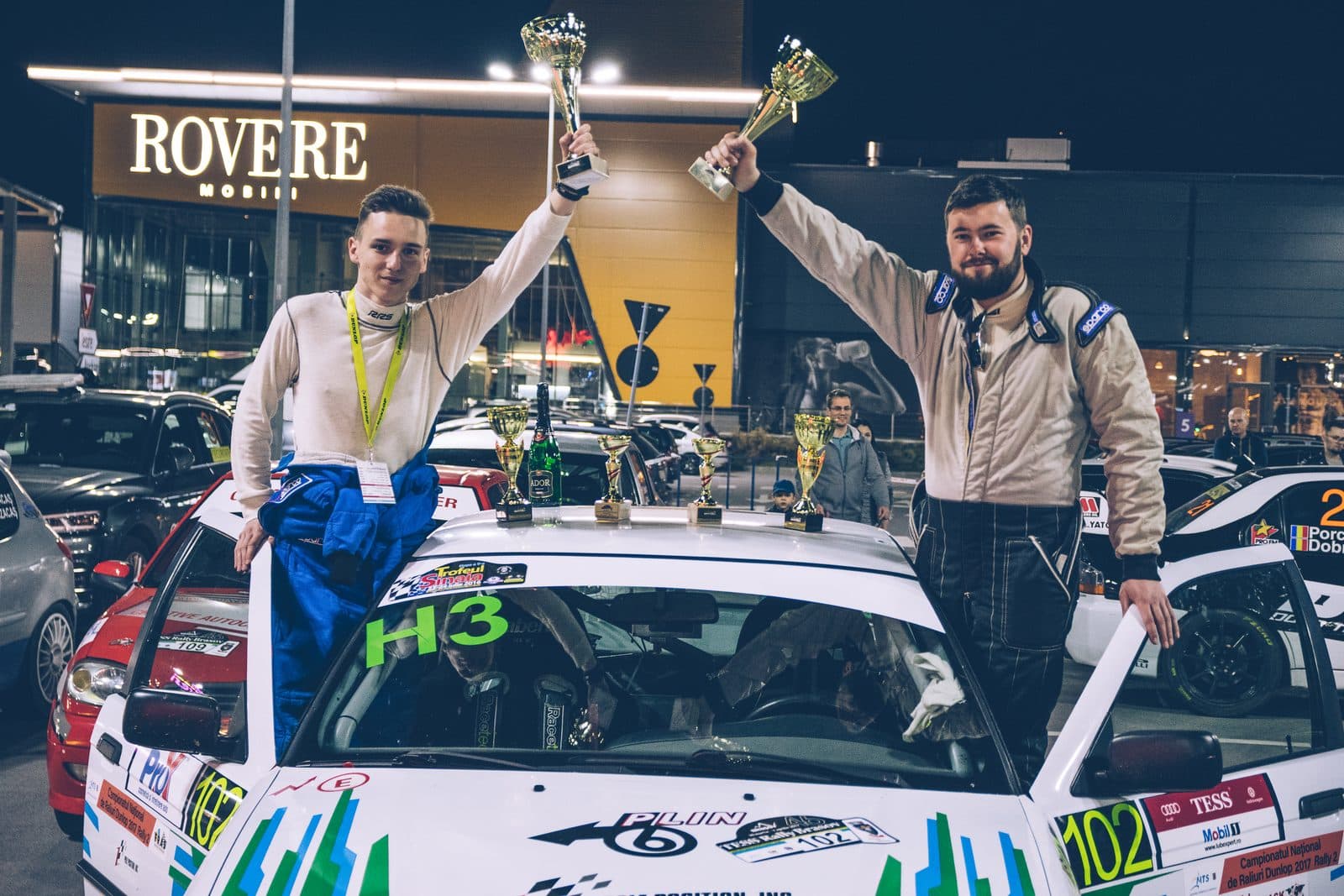
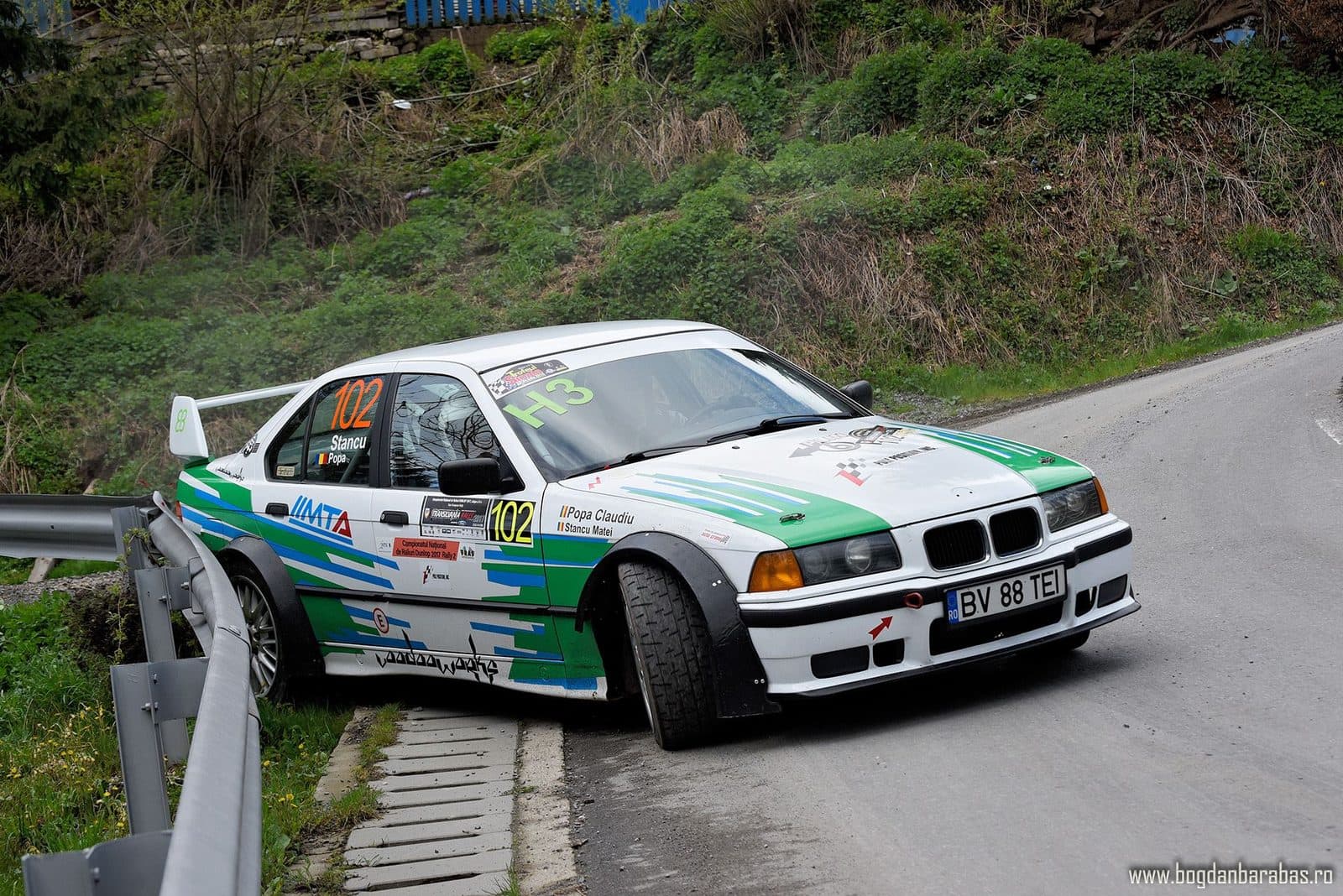
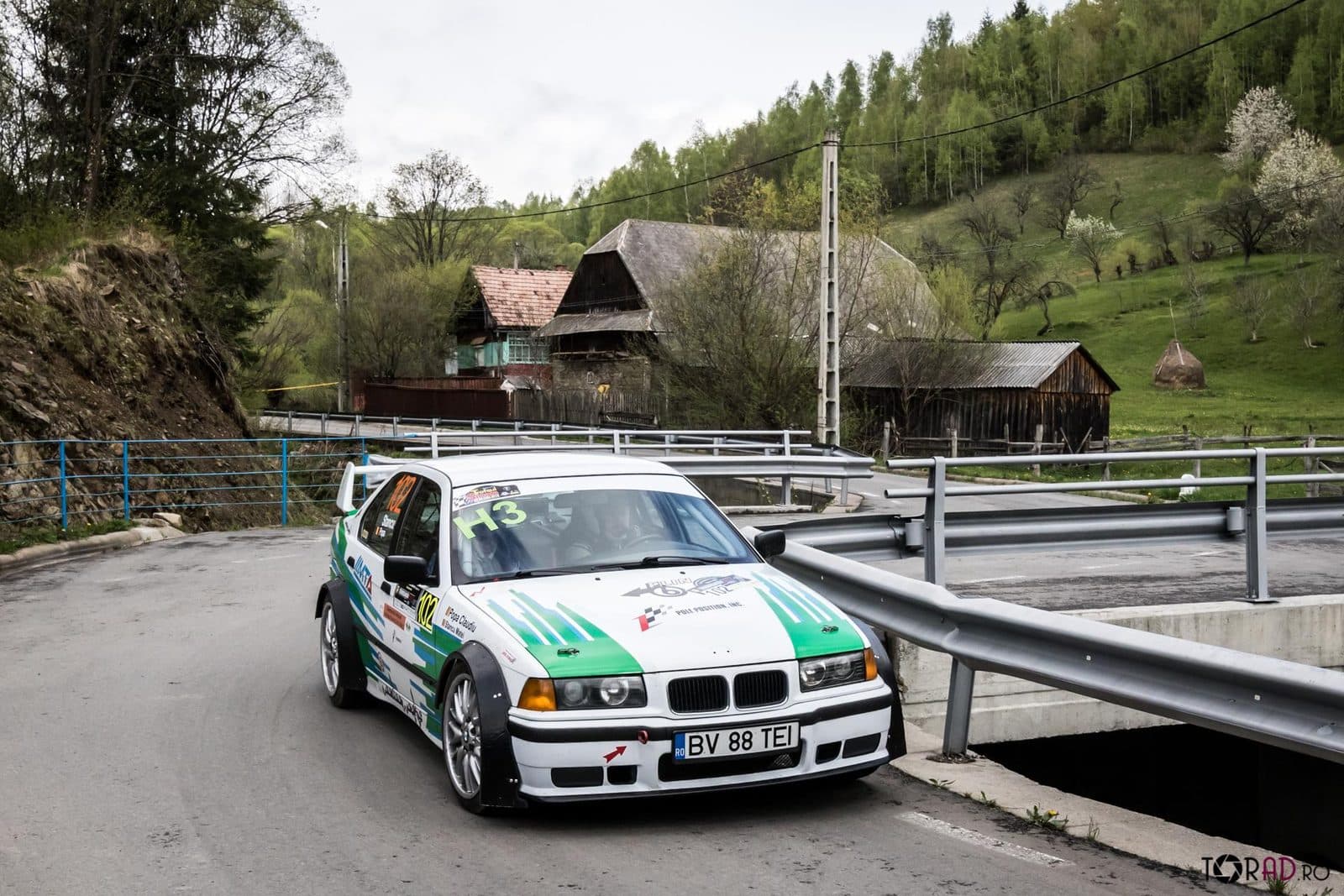
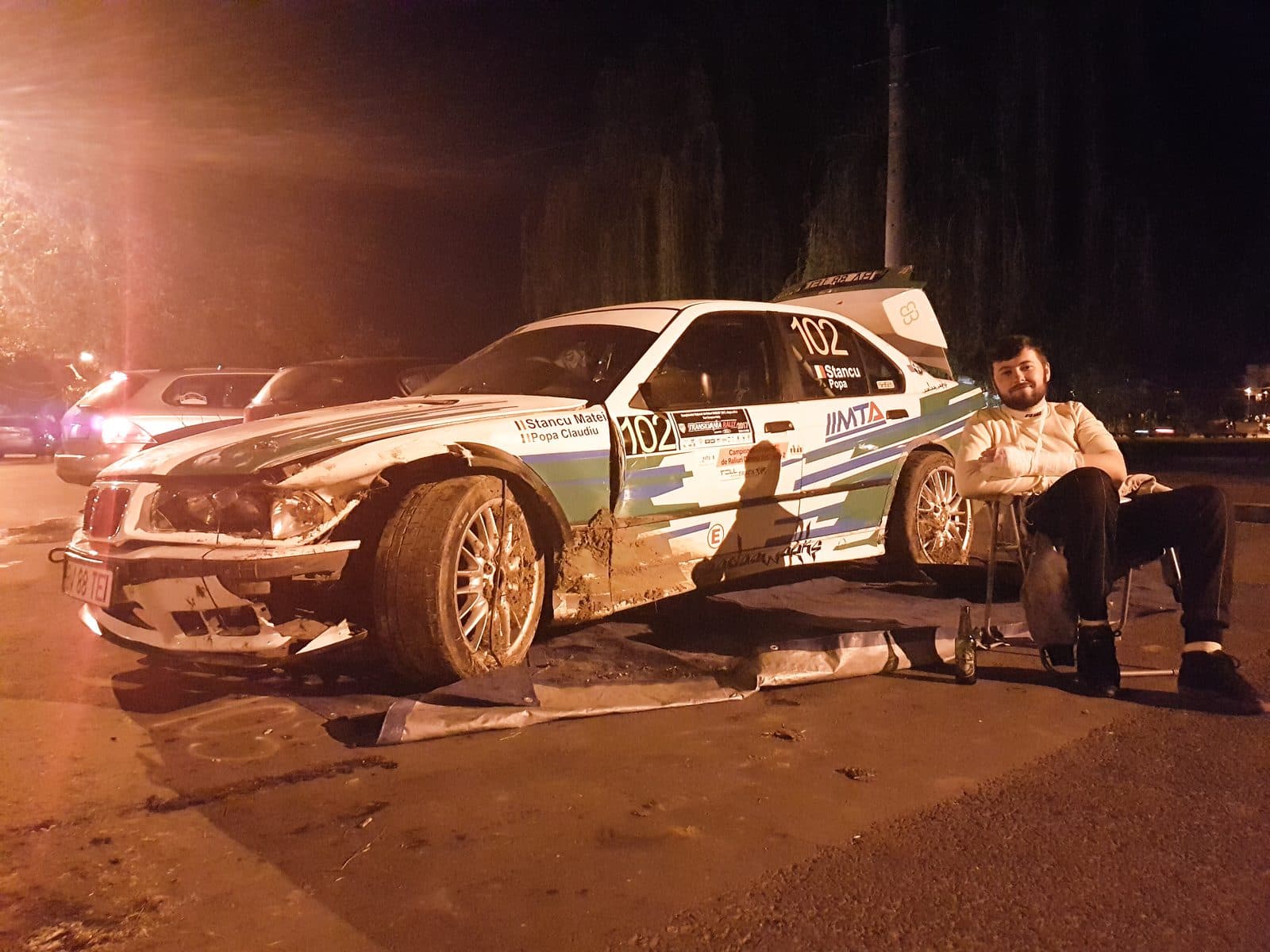
2017 came and I embarked on a new challenge: the Romanian Rally2 Championship, the second division of the national rally championship. I figured the car only needed a skid plate and I was good to go, so I dug up the skid plate I'd built for the winter rally, quickly fixed it to the car, et voilà — an E36 rally car. I went to the first event, the Brașov Rally, and things went quite well: I ended up winning, even though some competitors had Mitsubishi Evos. But that was home turf; the next event would be on foreign soil, in Cluj. There things were not as rosy. The engine developed a misfire and was down on power, and the brakes, as I terrifyingly discovered, were not up to the task on long downhill stages. Even with these disadvantages we were leading the rally by 37 seconds after two stages. The third stage had a few km of bumpy asphalt, so I softened the dampers and off we went... off the road, in the 3rd corner of the stage, as the brakes and dampers couldn't keep up with the rough surface. I broke my hand, but even so we tried to get the car back on the road and continue — to no avail, the engine mounts had sheared off. Me and my E36 were down.
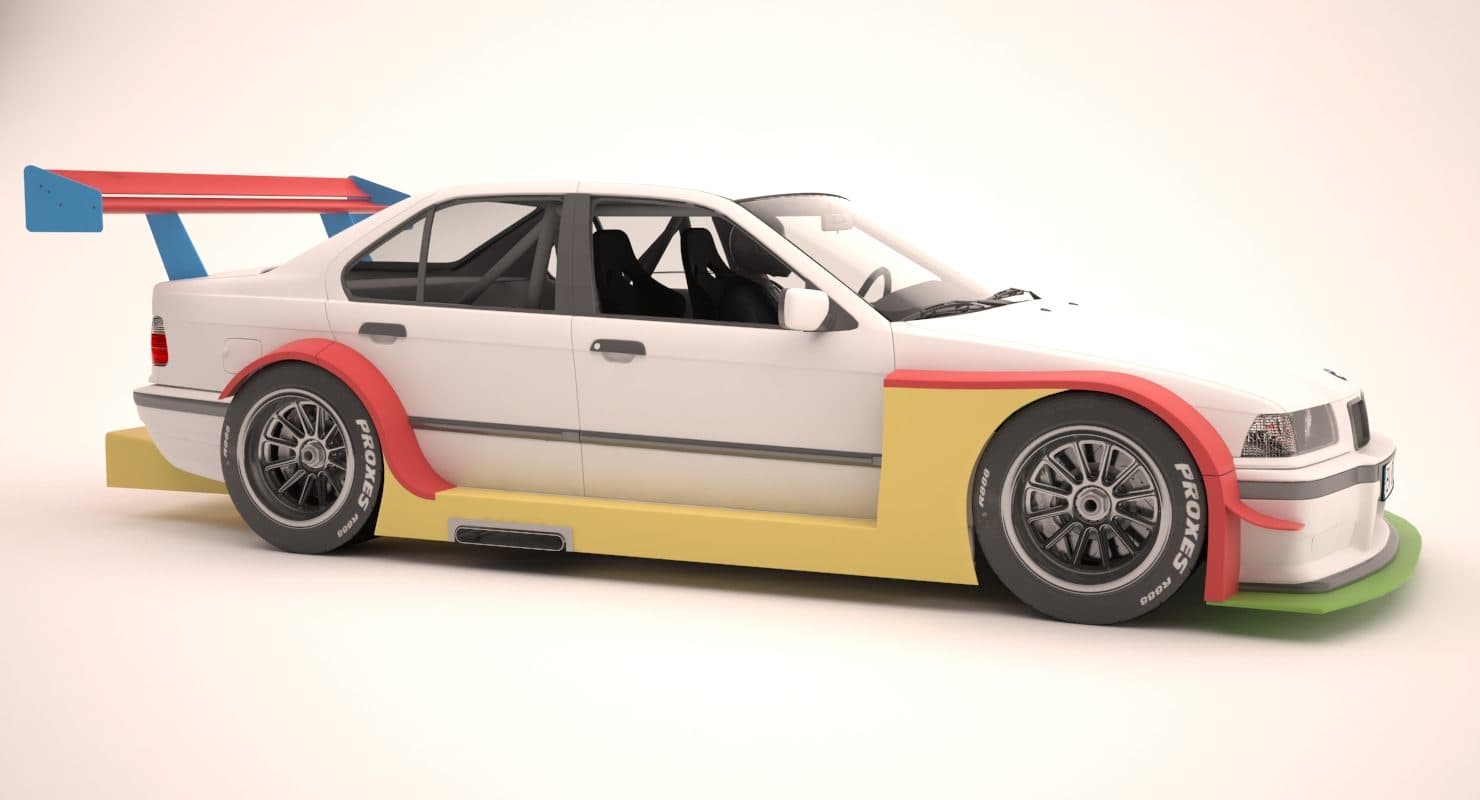
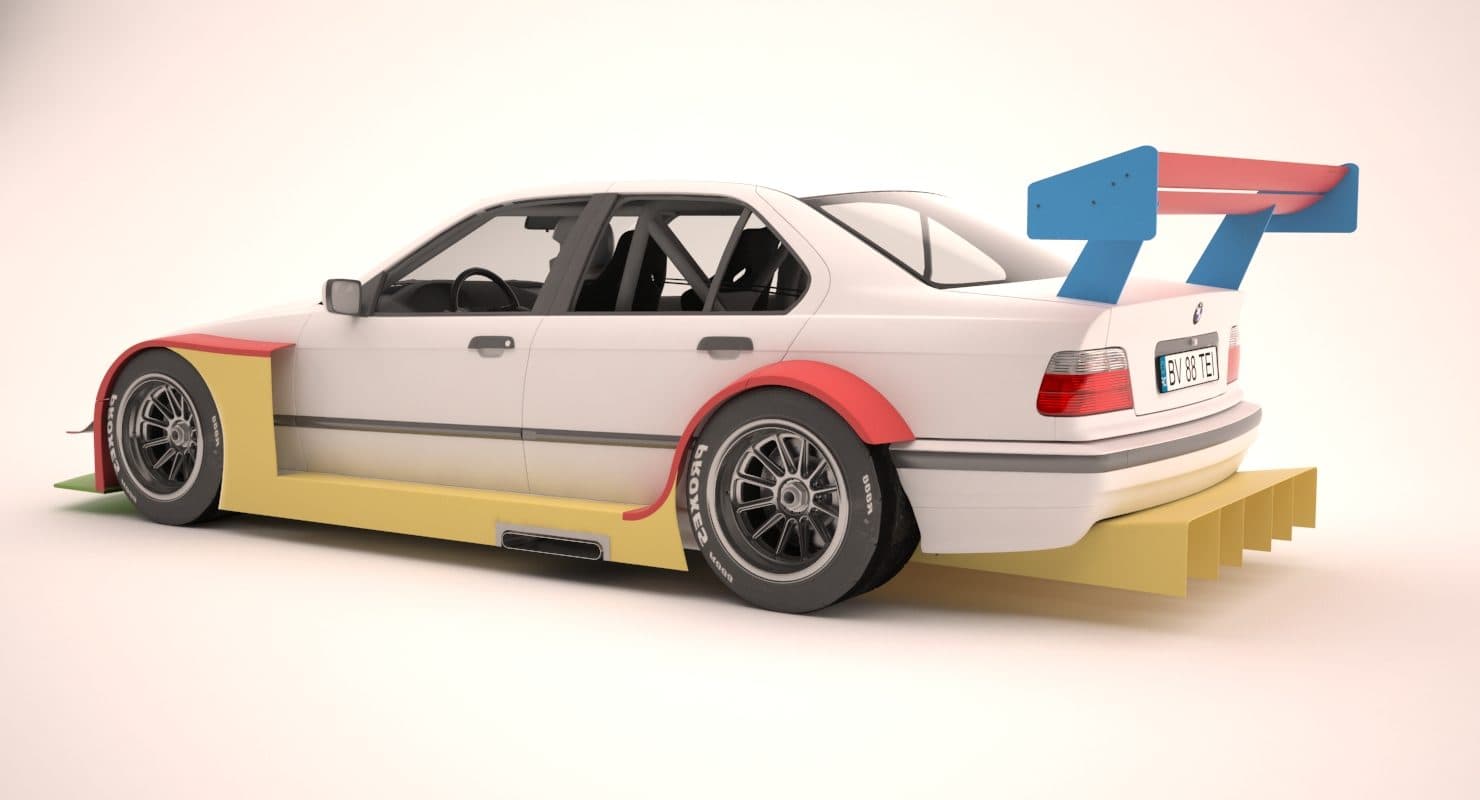
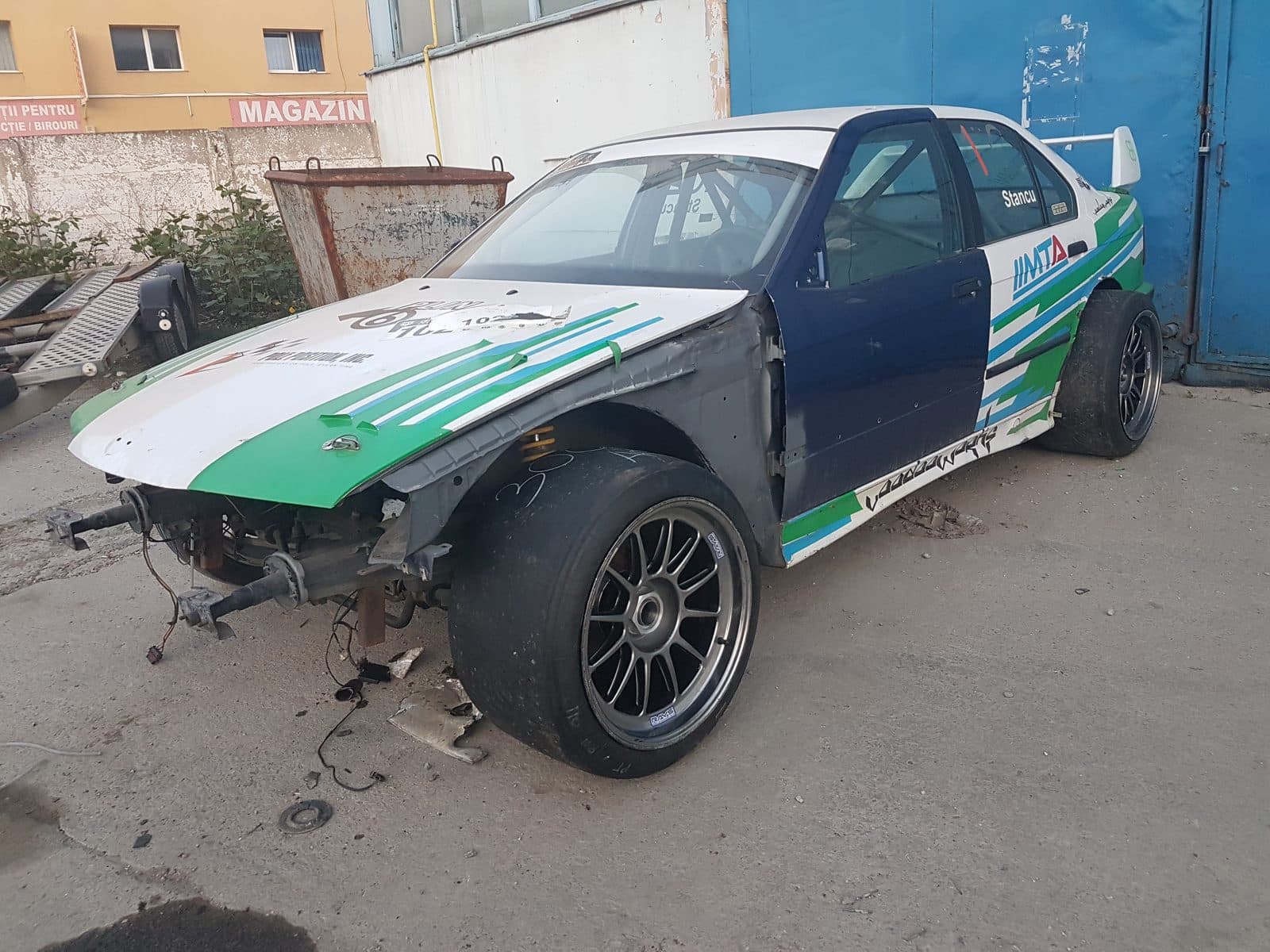
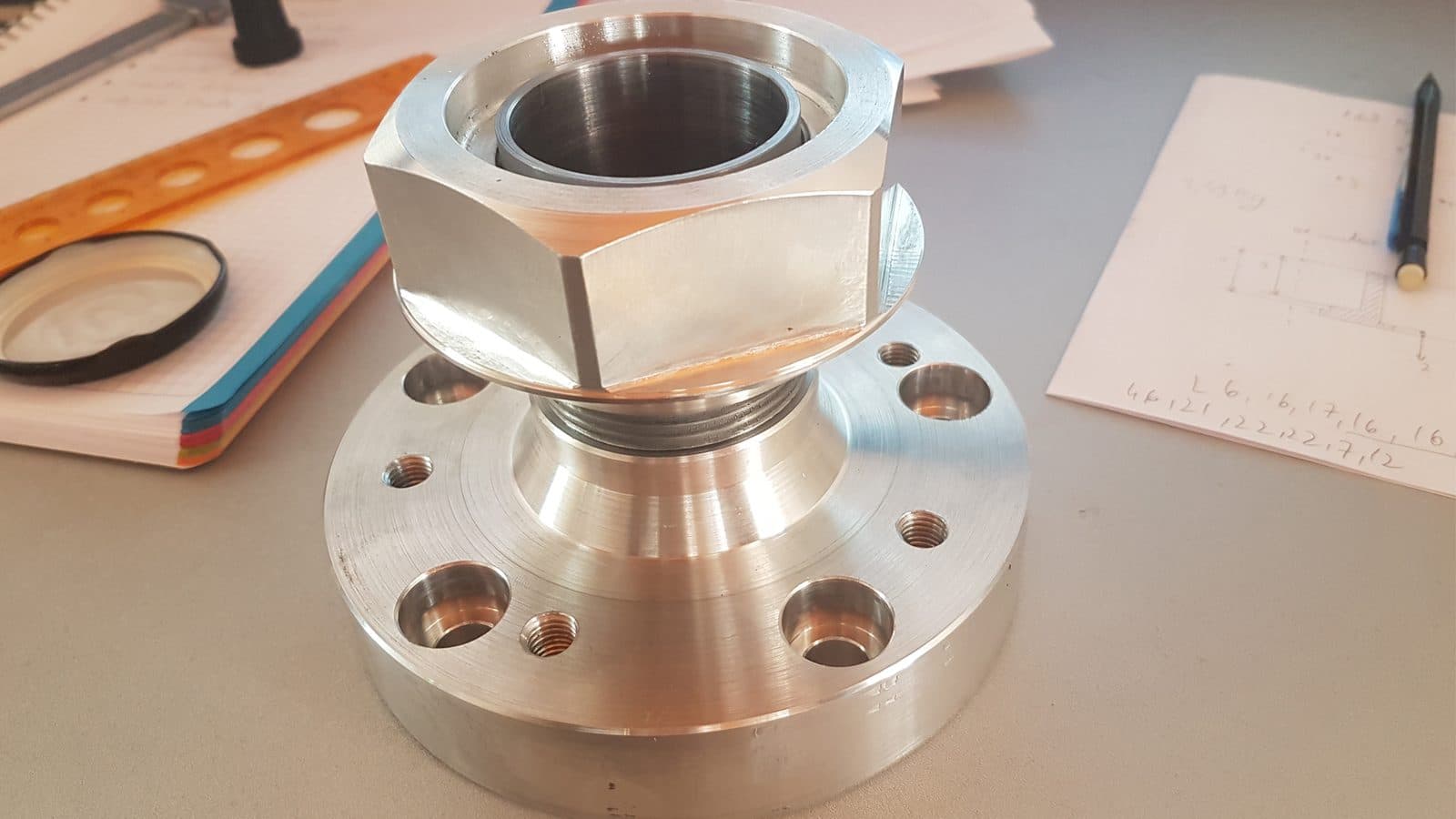
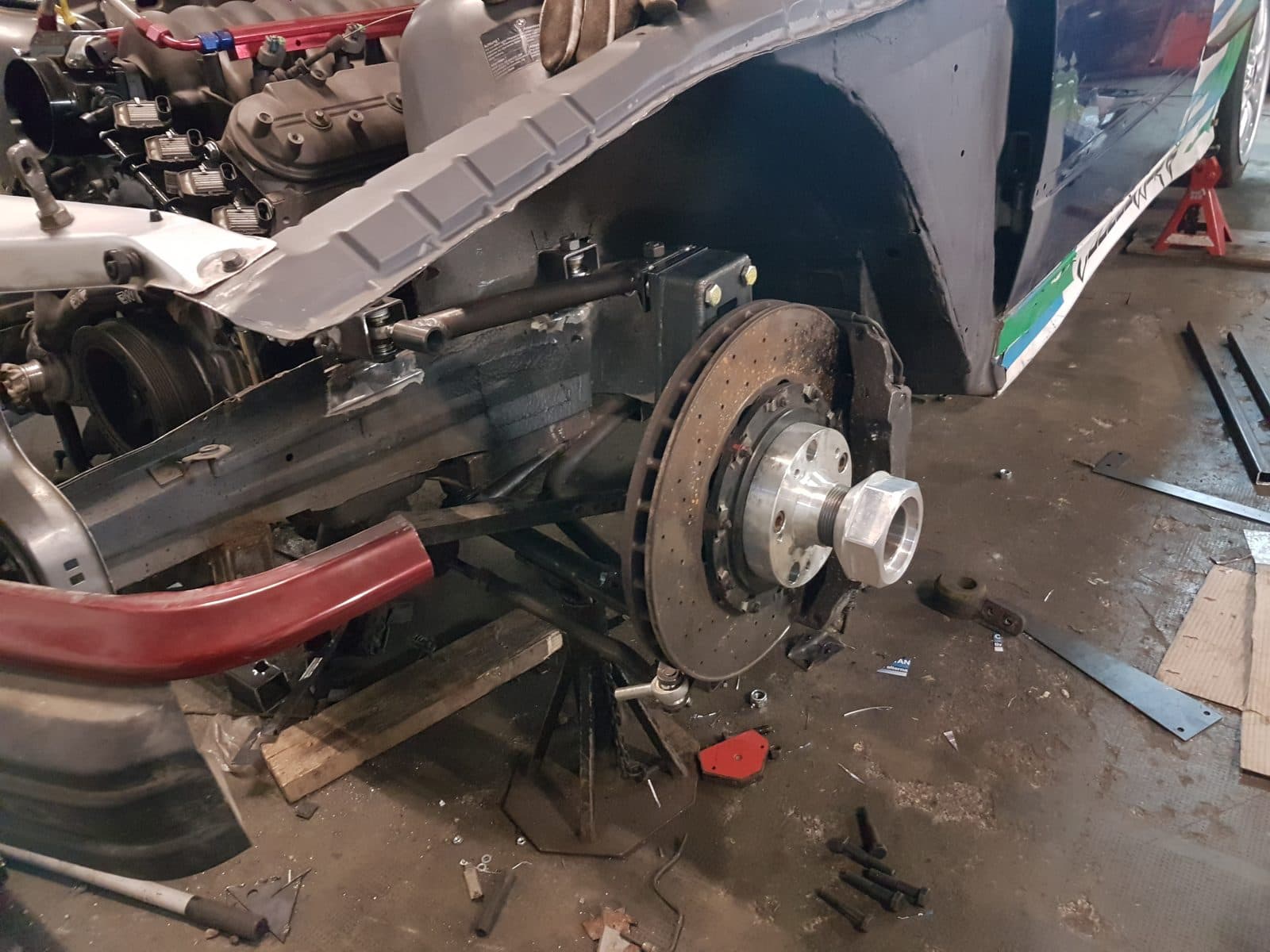
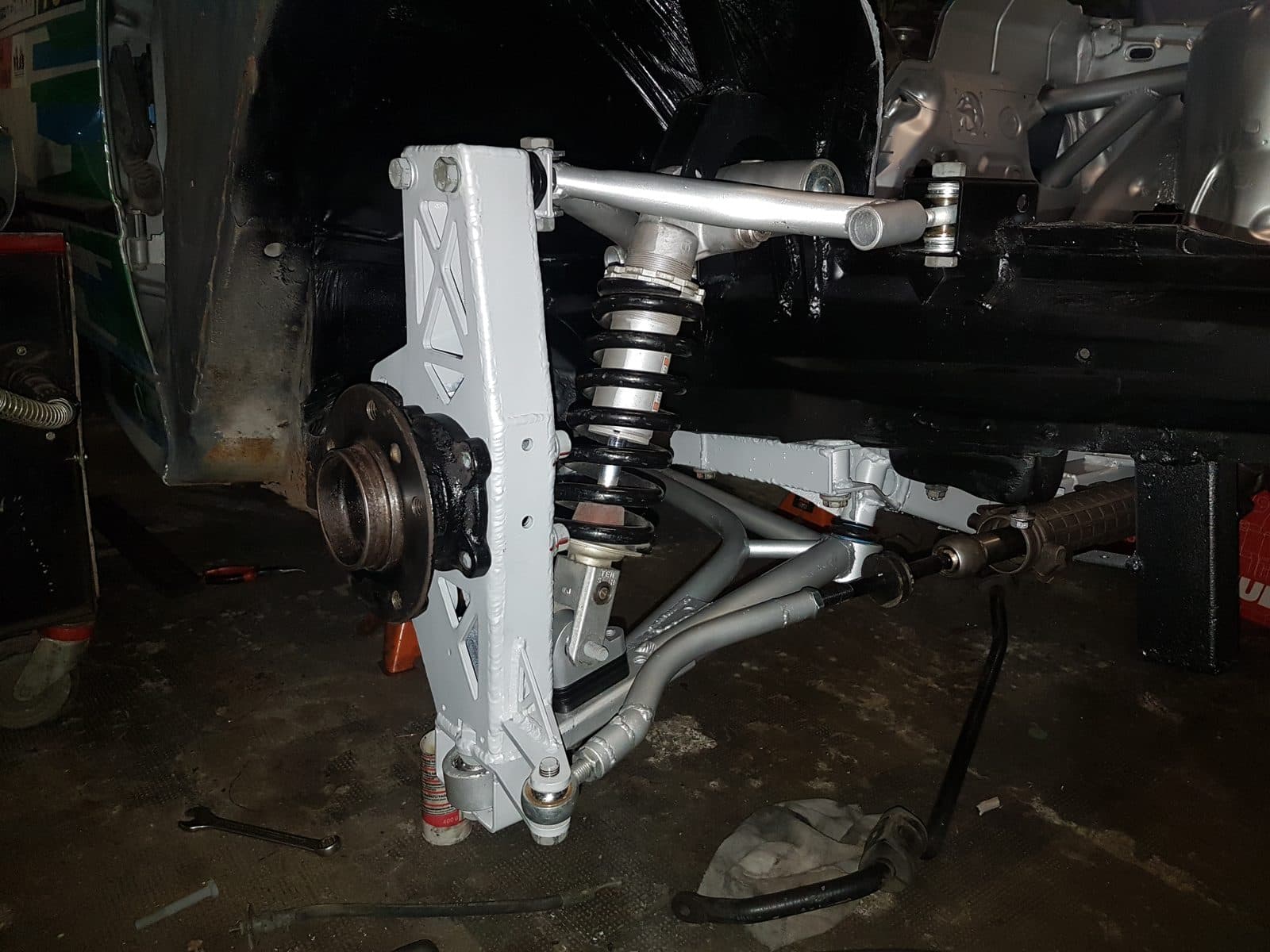
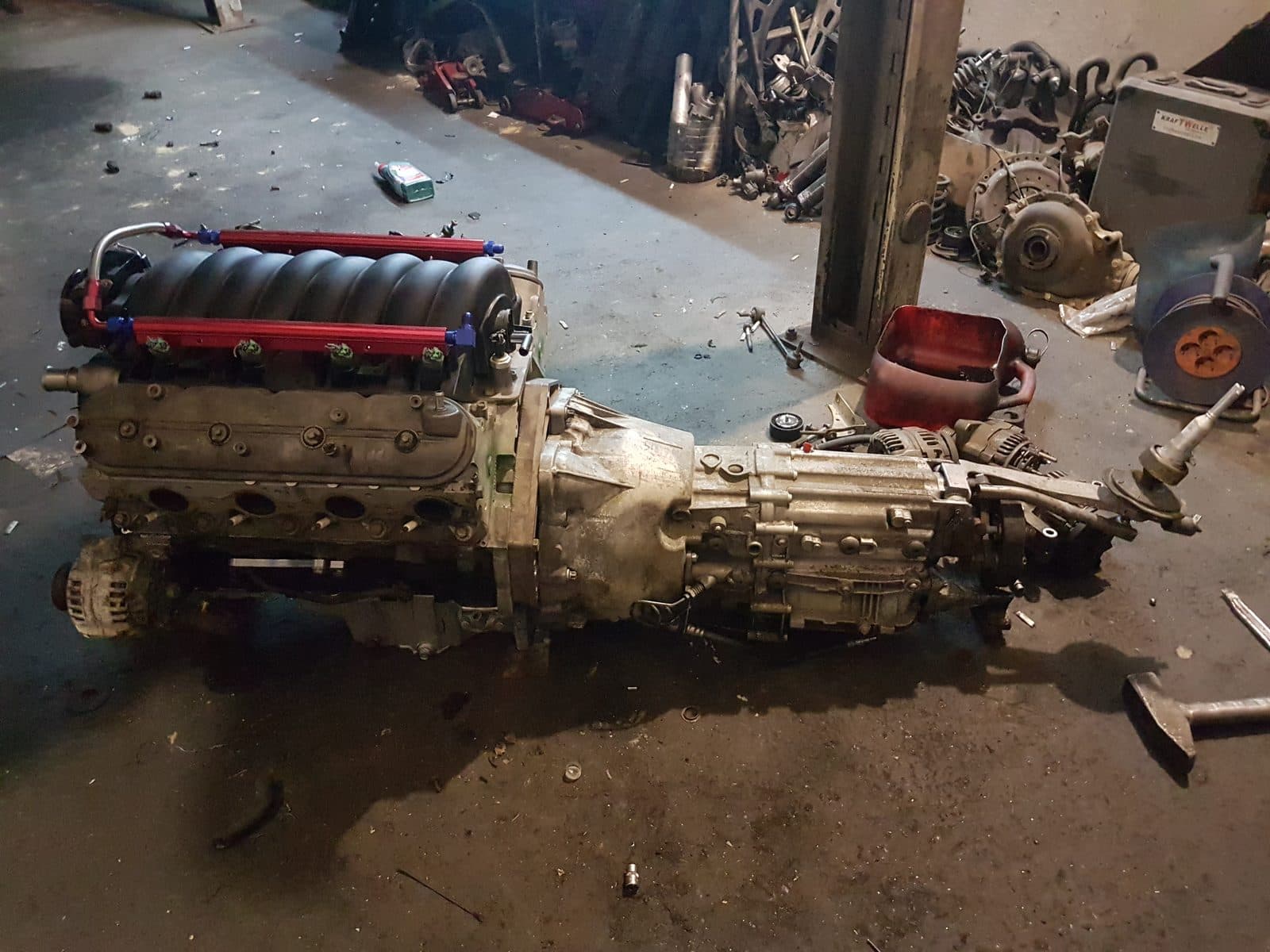
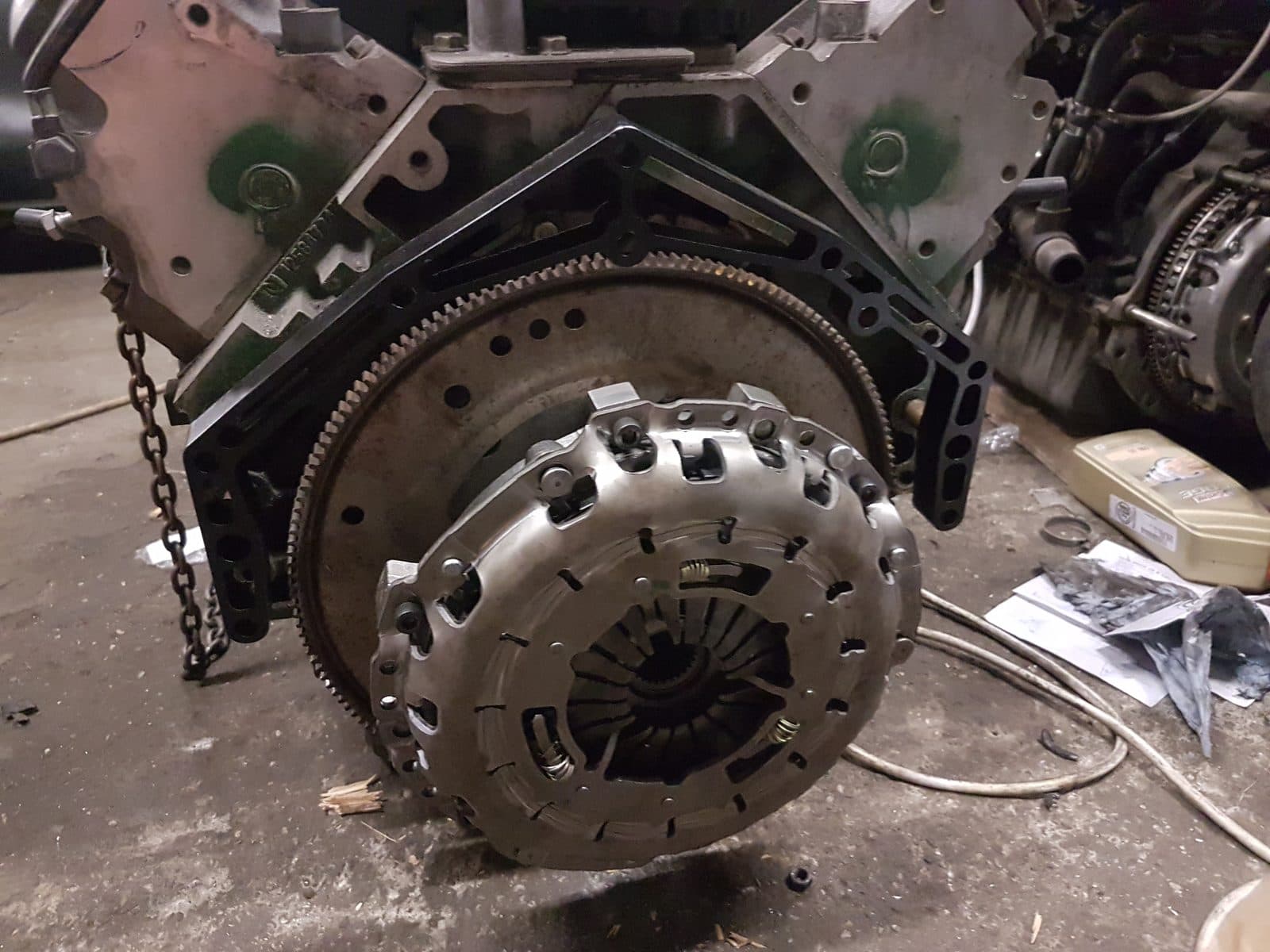
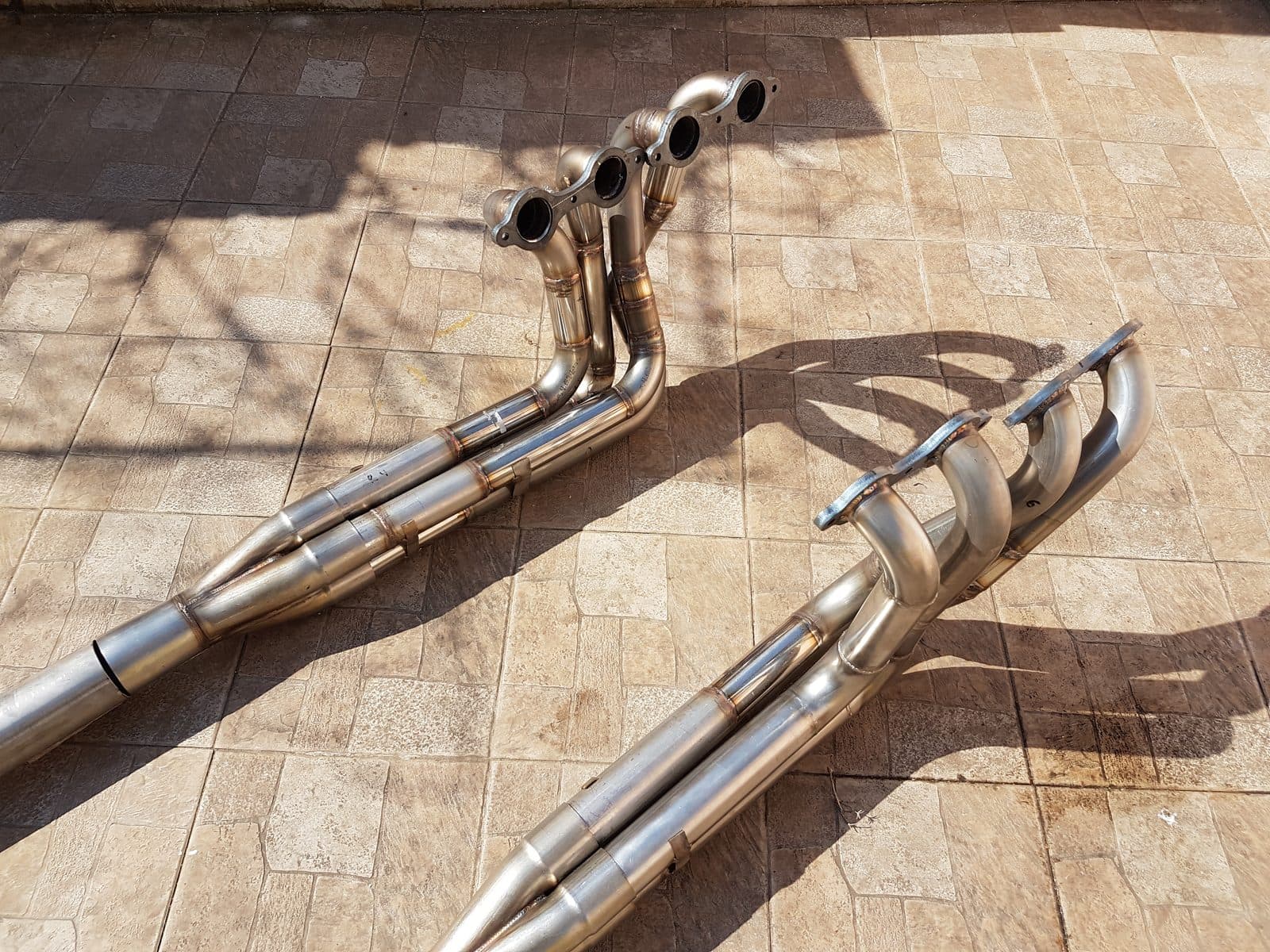
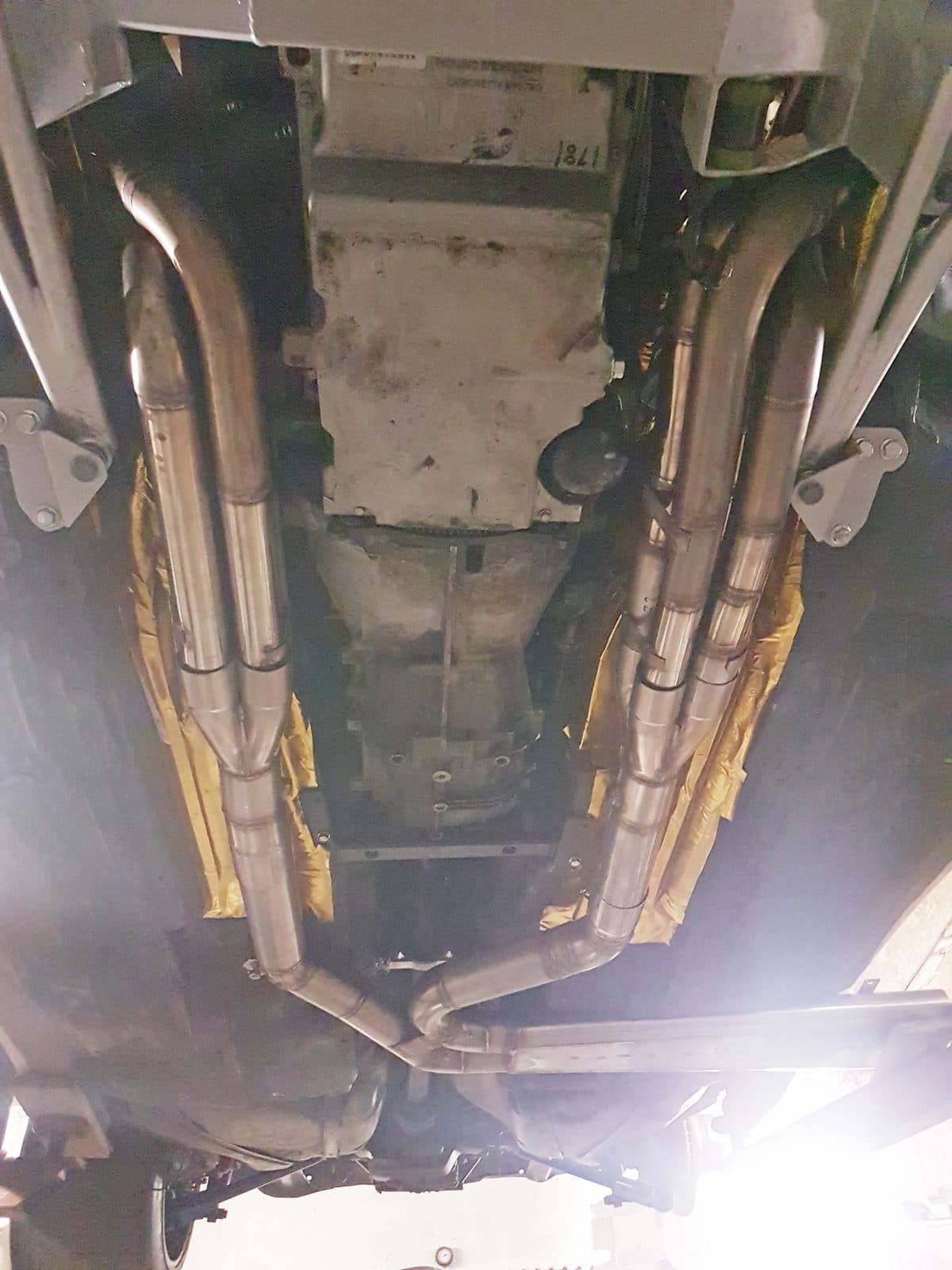
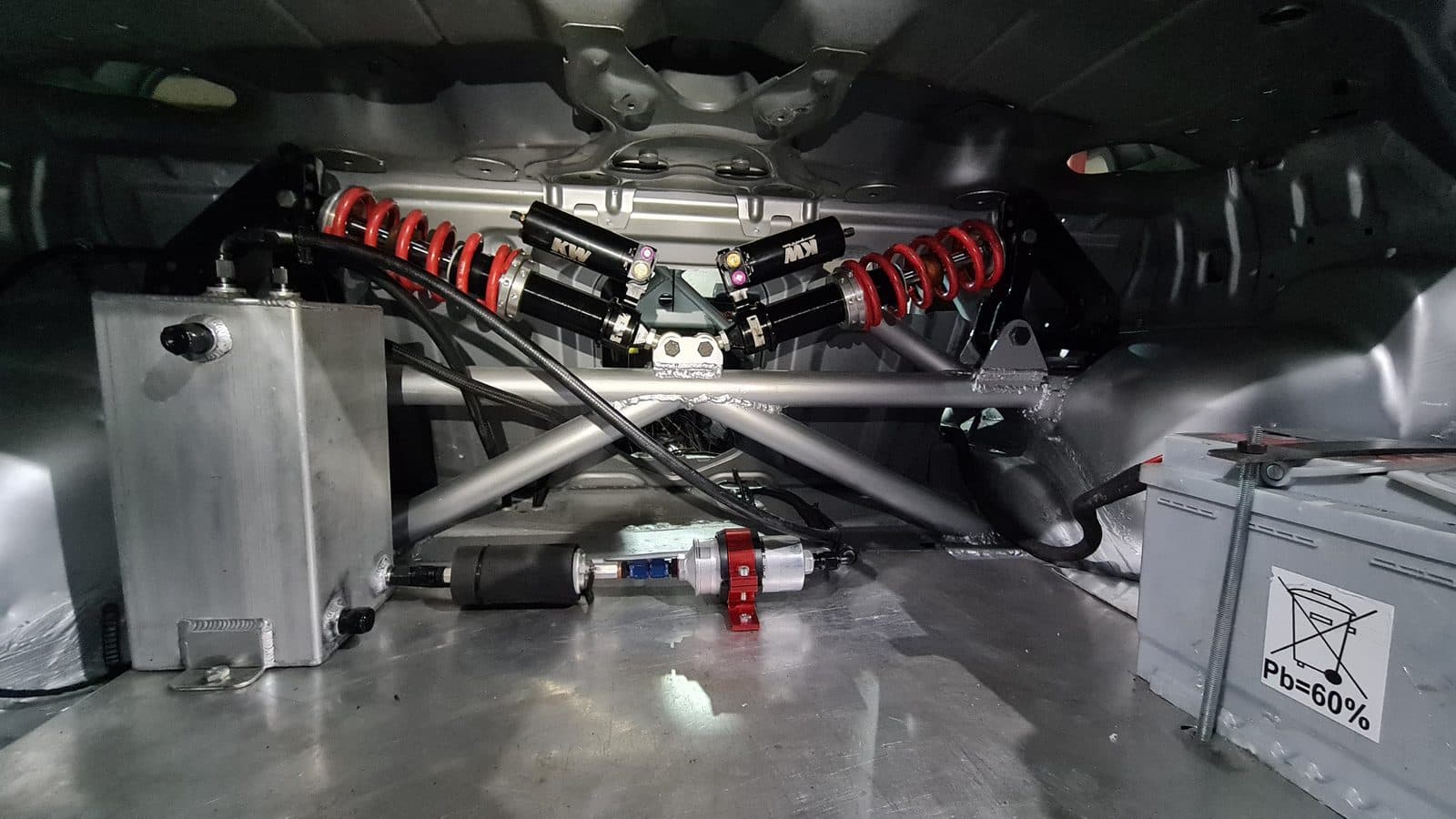
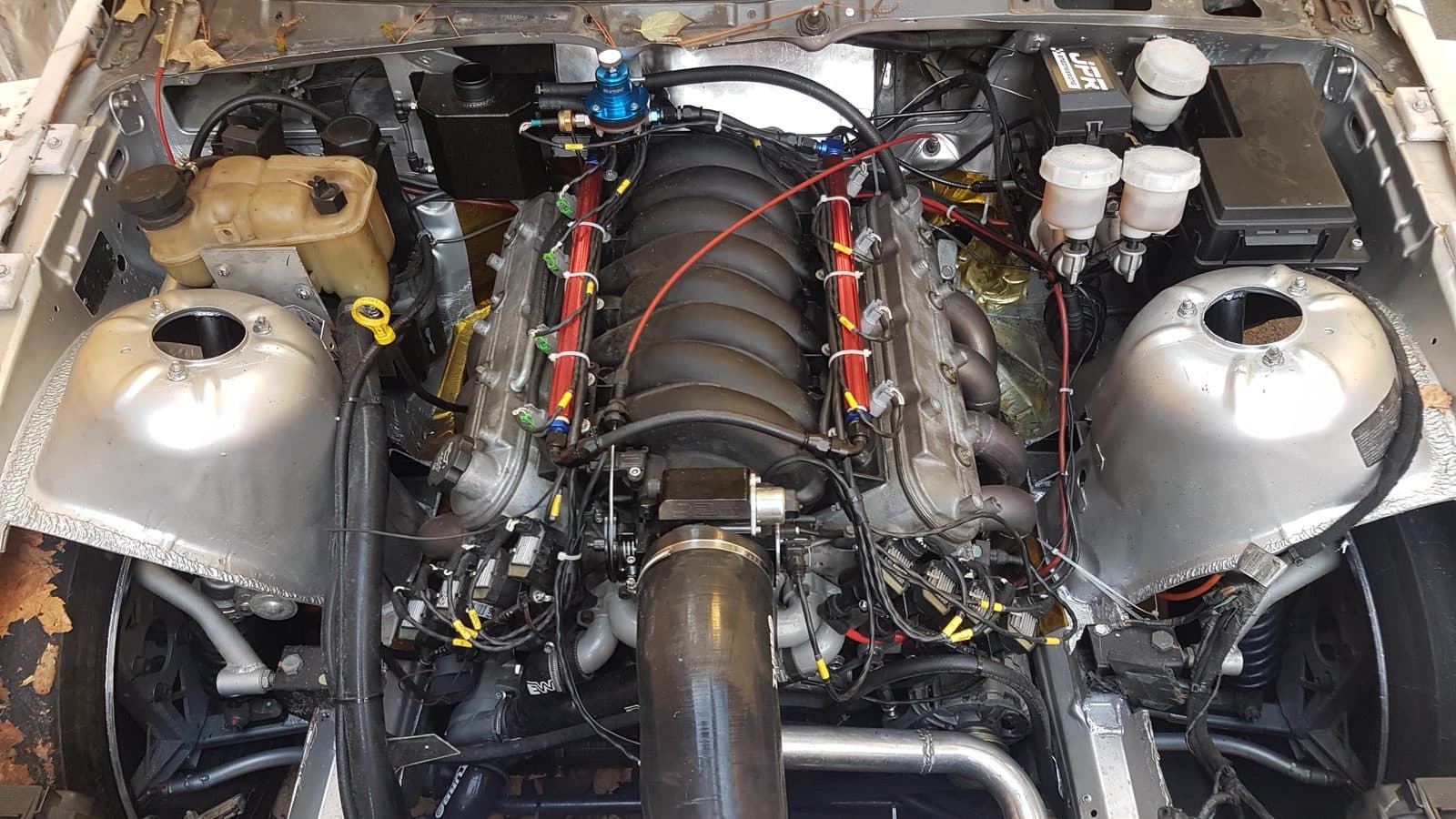
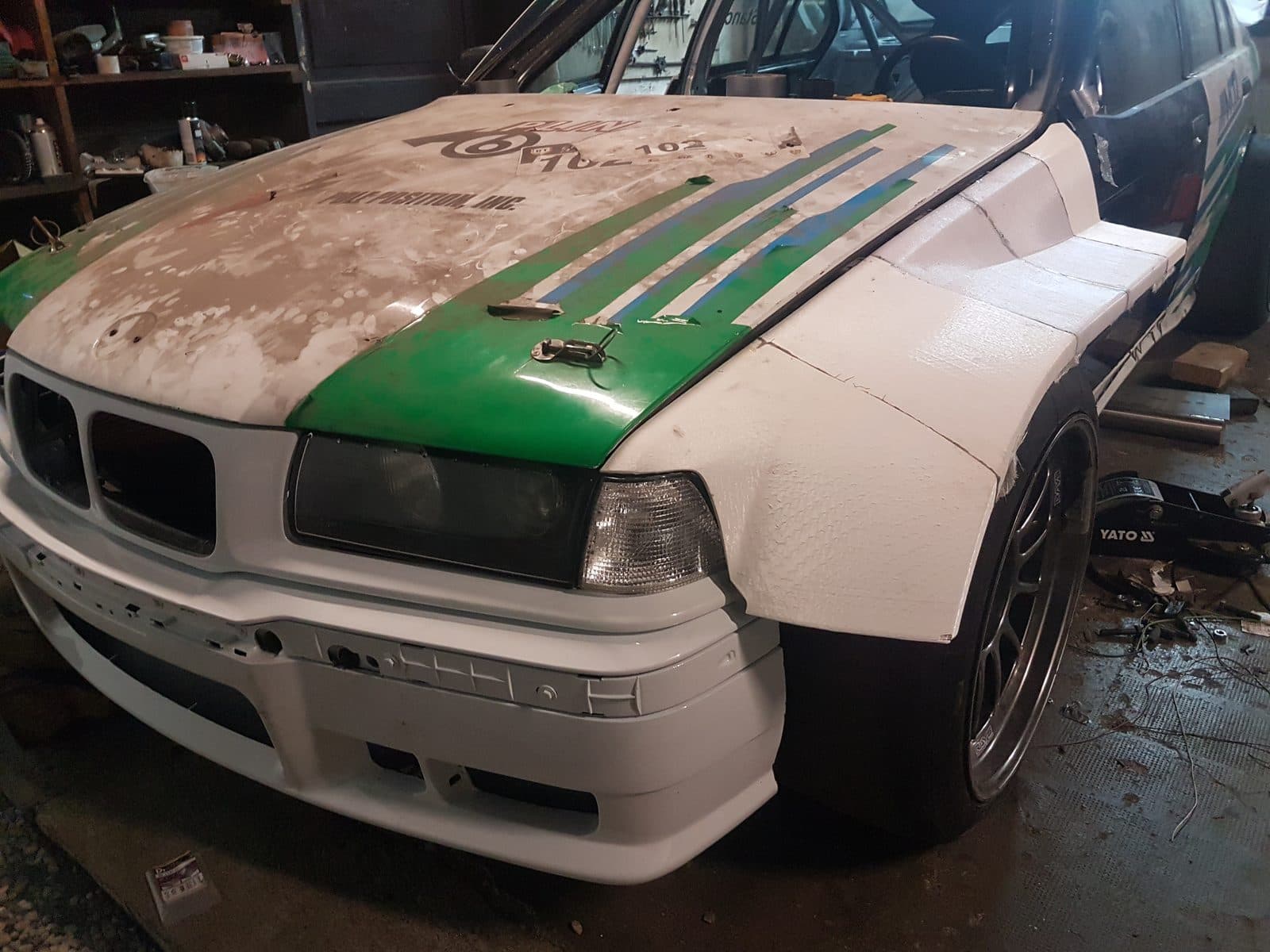
But not out. As 2017 rolled by I had a vision for the future, and that vision had a screaming 6.2L LS3 engine and massive wings in it. The E36 was to be transformed into an extreme hill climb car, with massive aero, a massive engine and 300mm-wide tires. This required a complete re-engineering of the car, so I went ahead and developed a complete double-wishbone front suspension, center-lock adapters for the 13J-wide rims, long-tube headers for the LS3, inboard pushrod dampers for the rear axle and a complete aero package with a front splitter, a flat floor with a massive diffuser and a rear wing. This vision took quite some time to realize, so I took it step by step. I competed in 2019, 2020 and 2021 with varying degrees of success, finishing 2nd or 3rd in class.
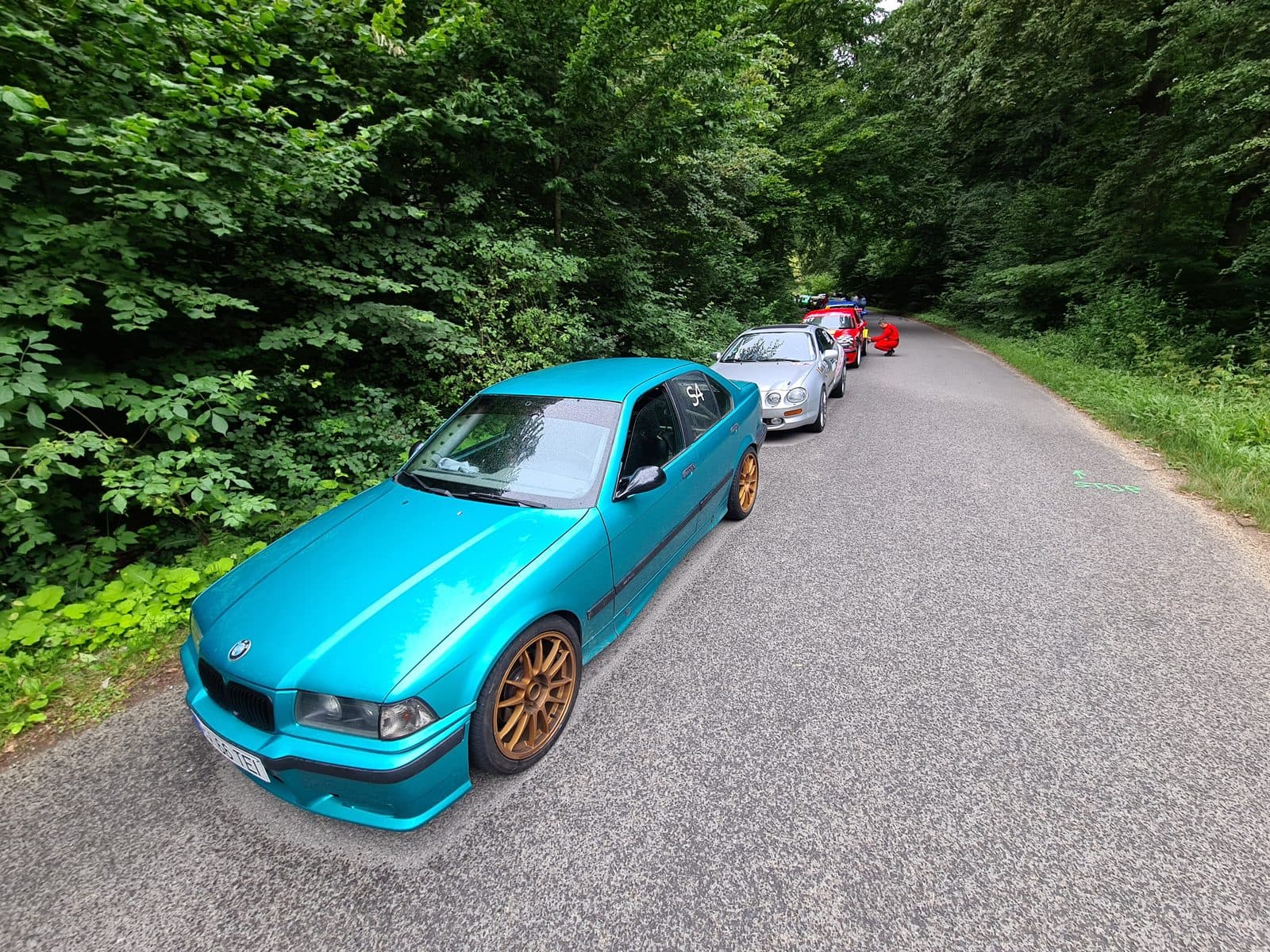
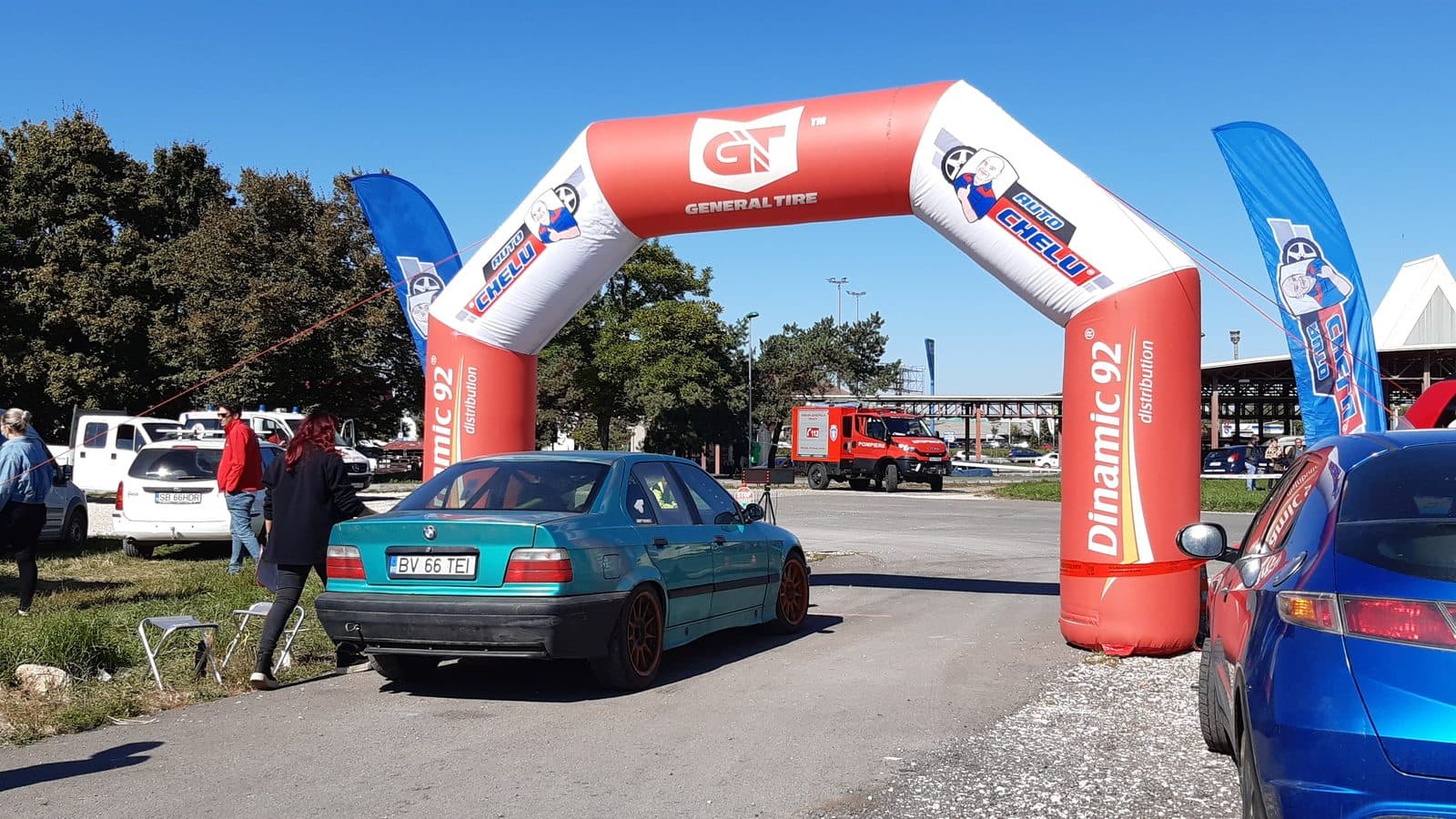
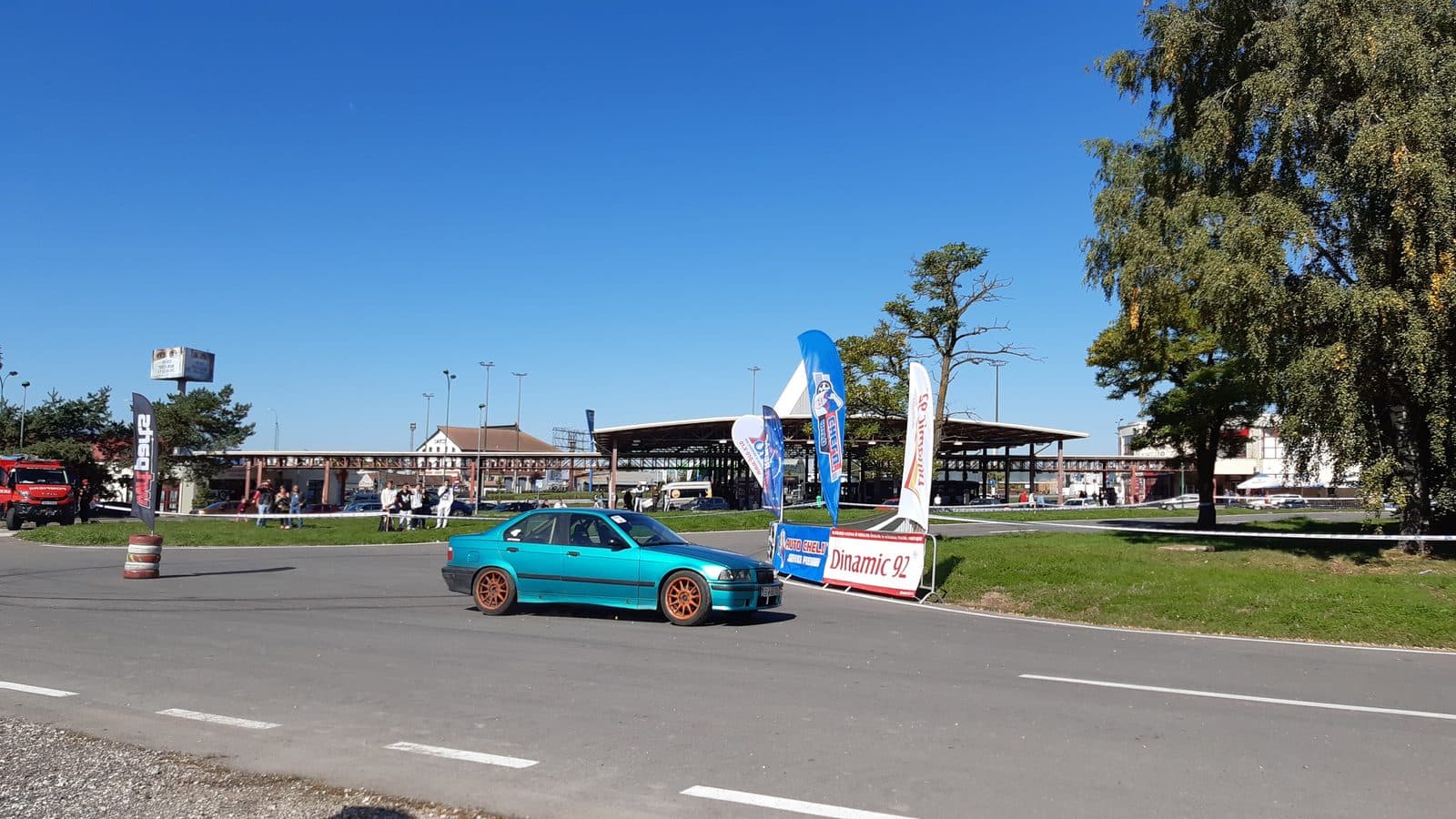
In 2021 a new opportunity came along and I got a second E36 race car with a 2.8-litre engine. It was a bit rusty and set up for drifting, but I had a lot of leftover parts from my hill climb car, so I bolted them on and went looking for a new challenge: autocross. The championship was called Promo Rally, and it was the perfect mix of drifting around obstacles and precision driving through cones. The E36 is a big car and not particularly suited to autocross, so I always ended up second overall — the upside was that a different driver won every event, so I ended up taking the championship.
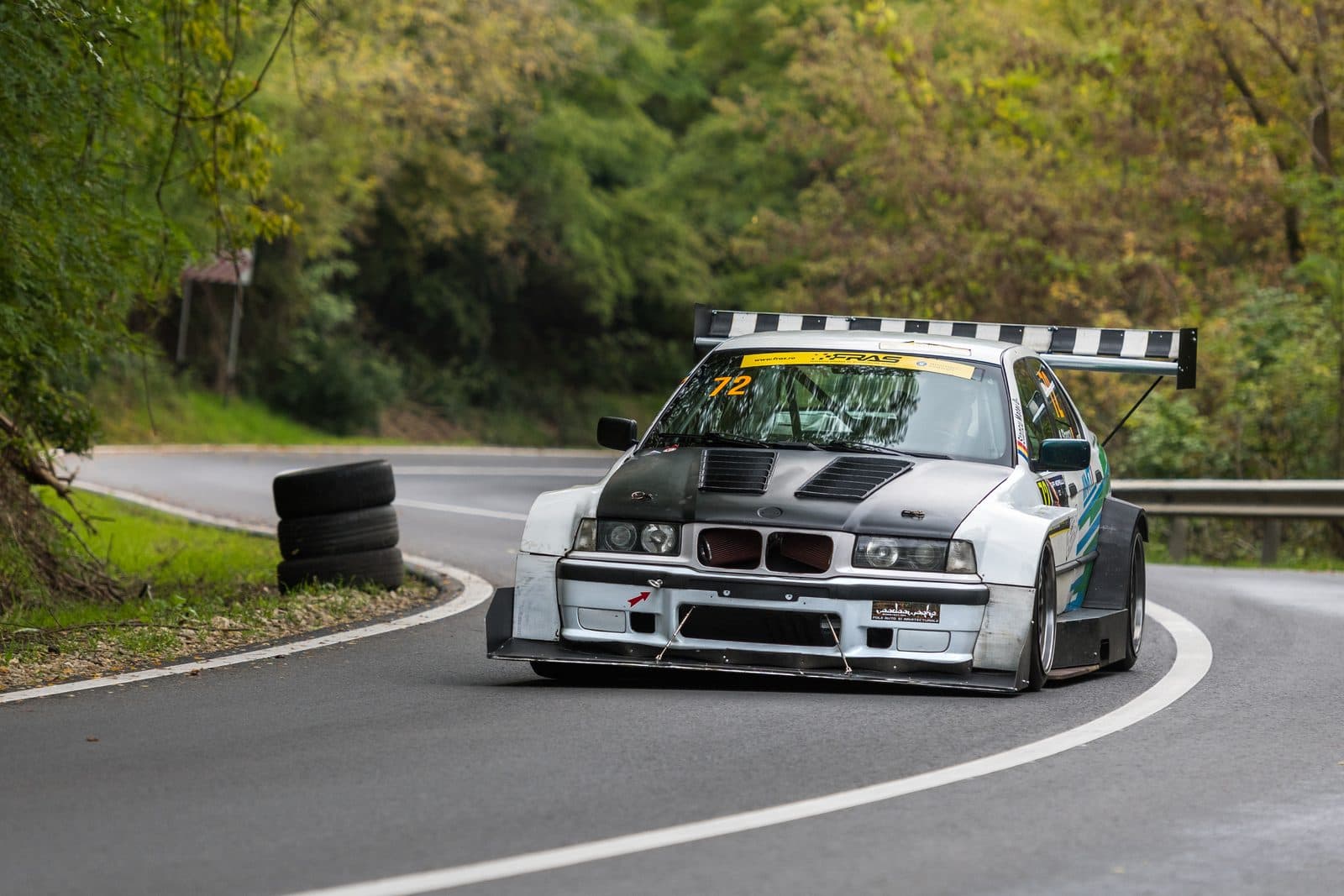
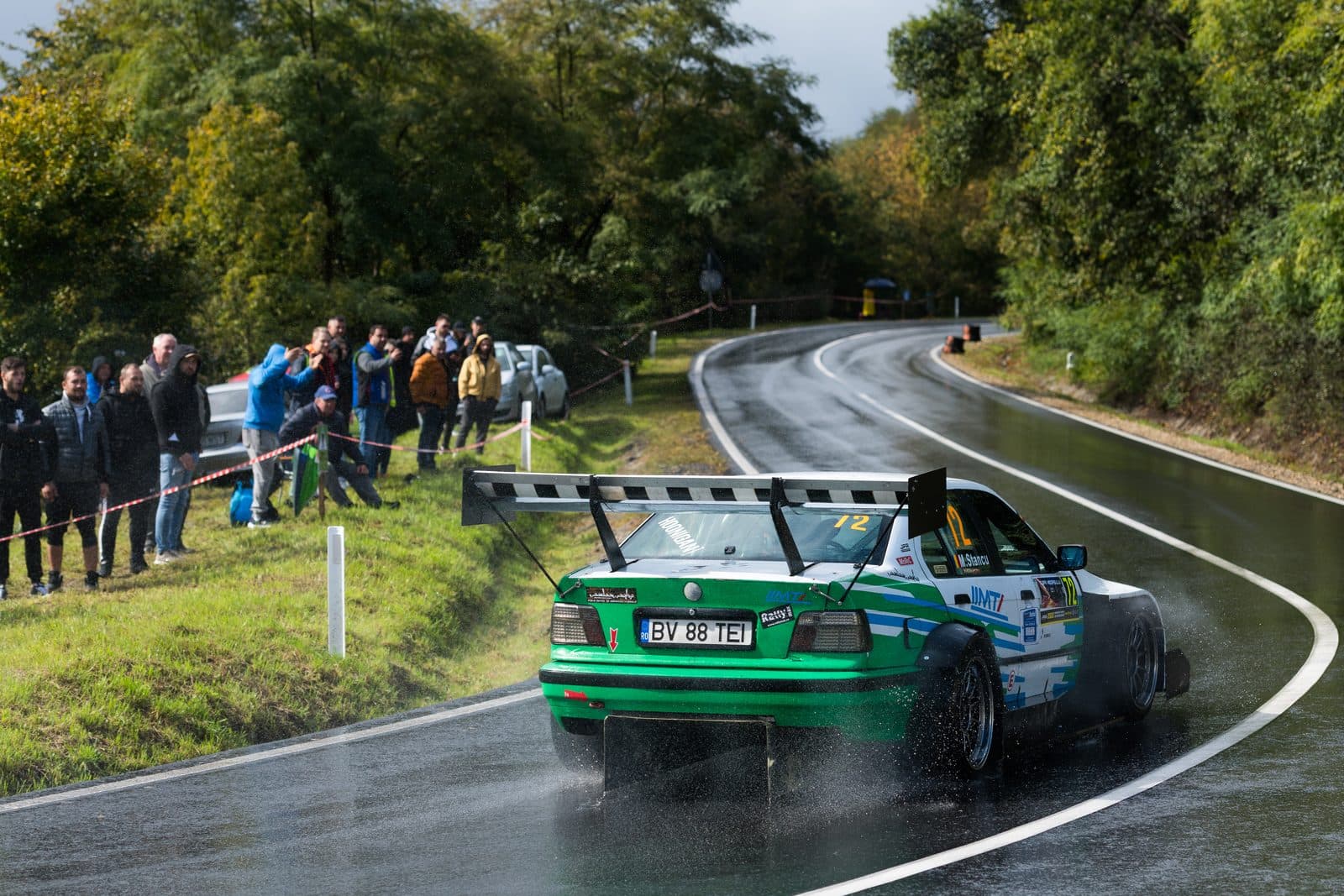
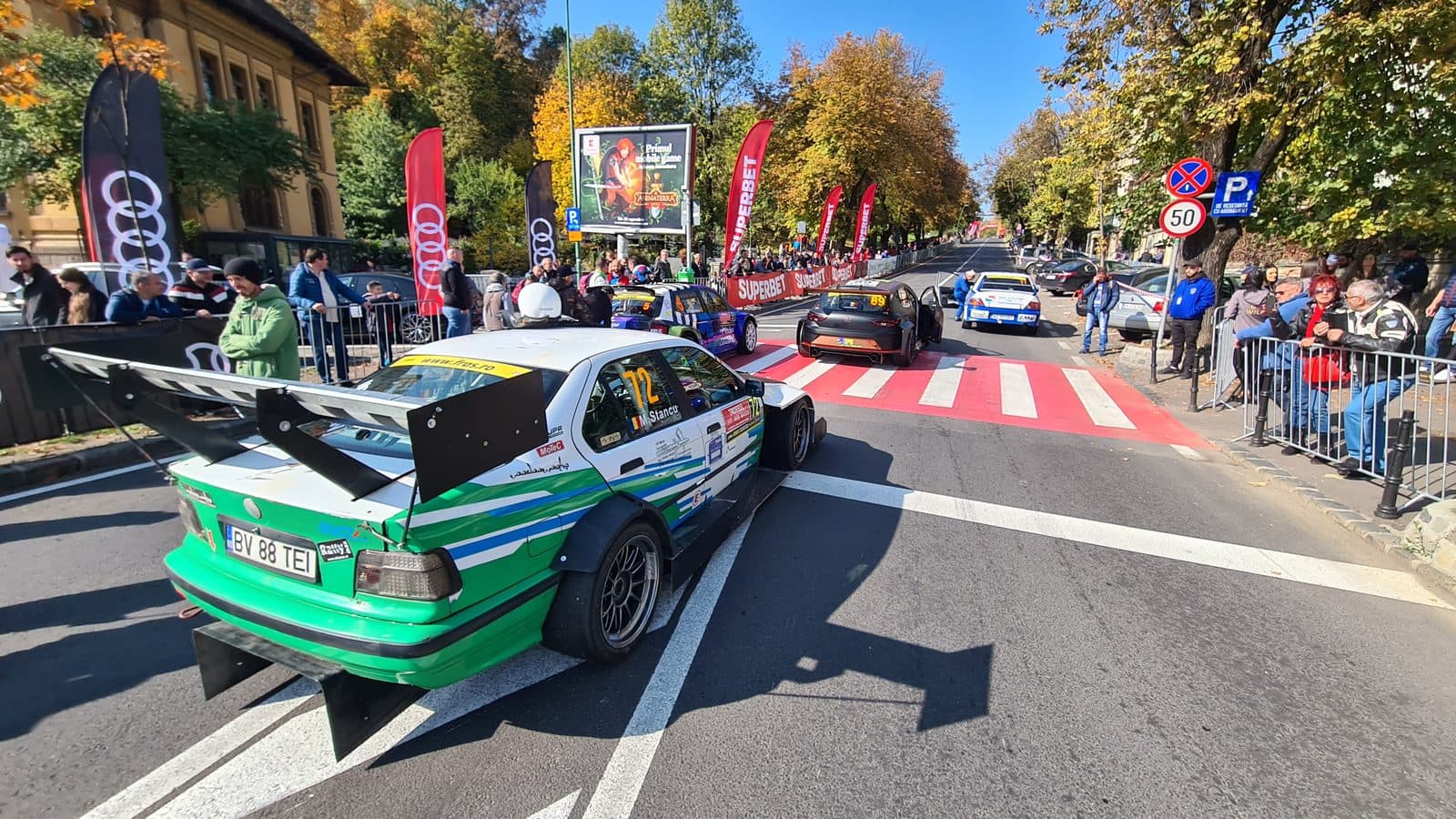
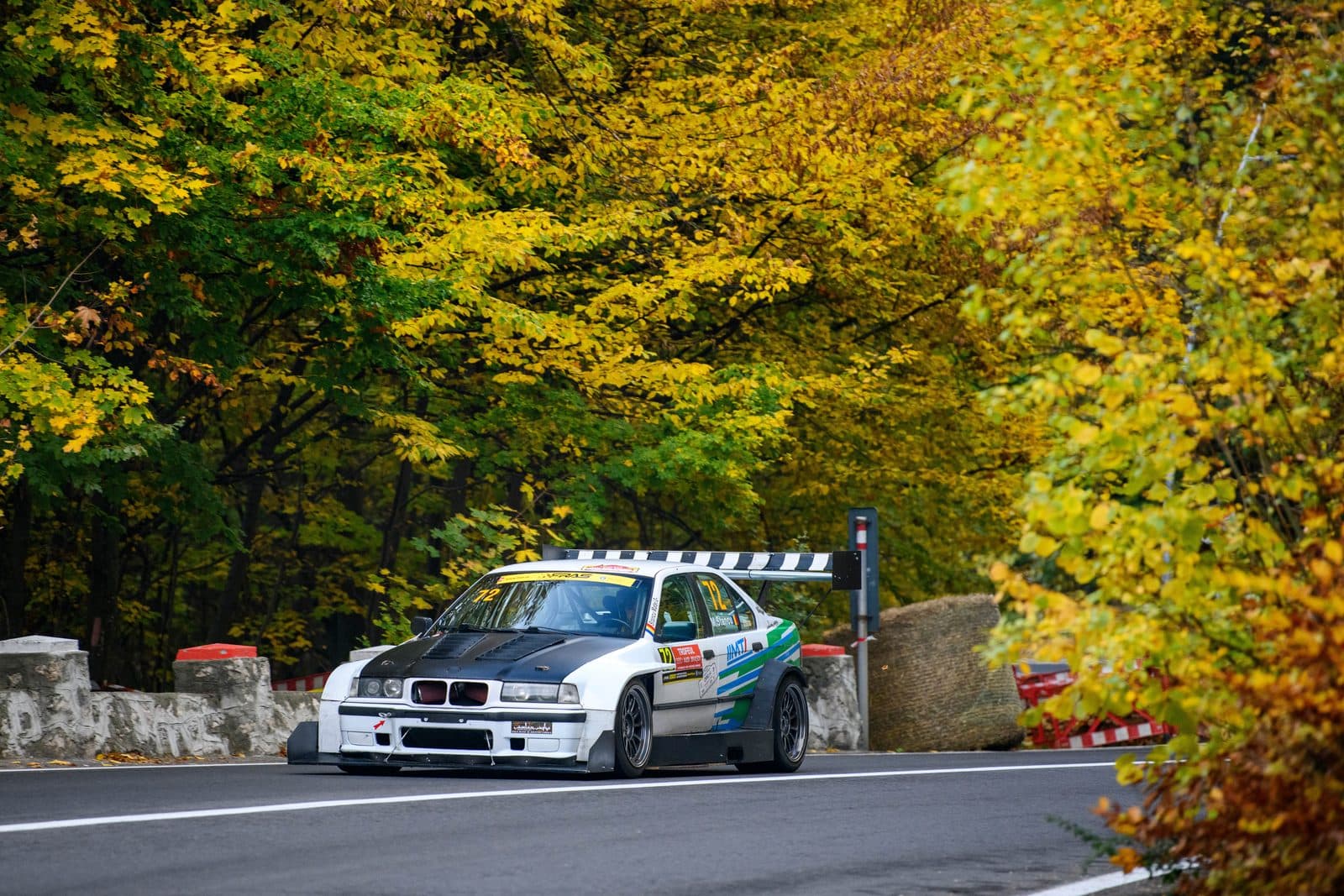
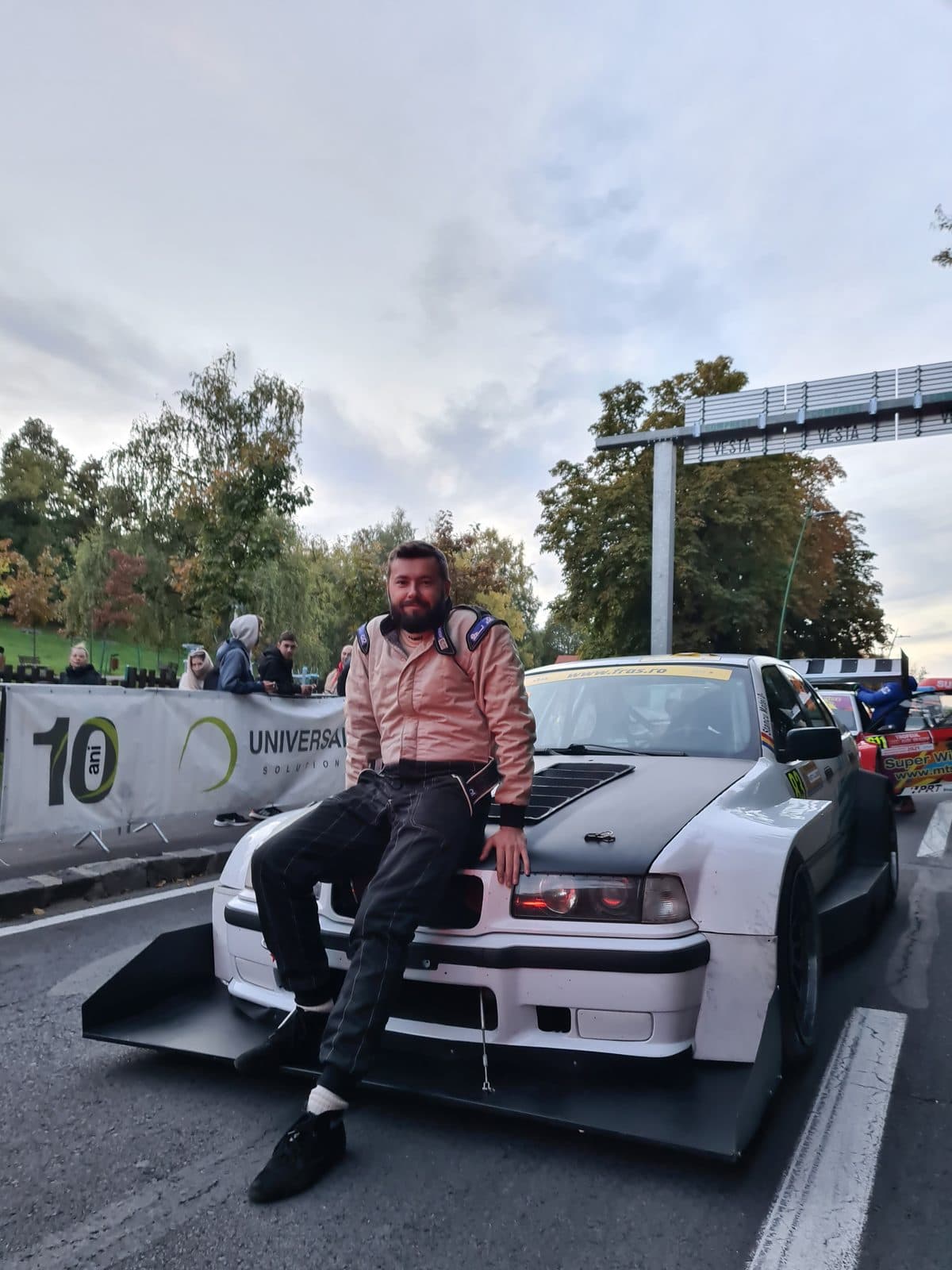
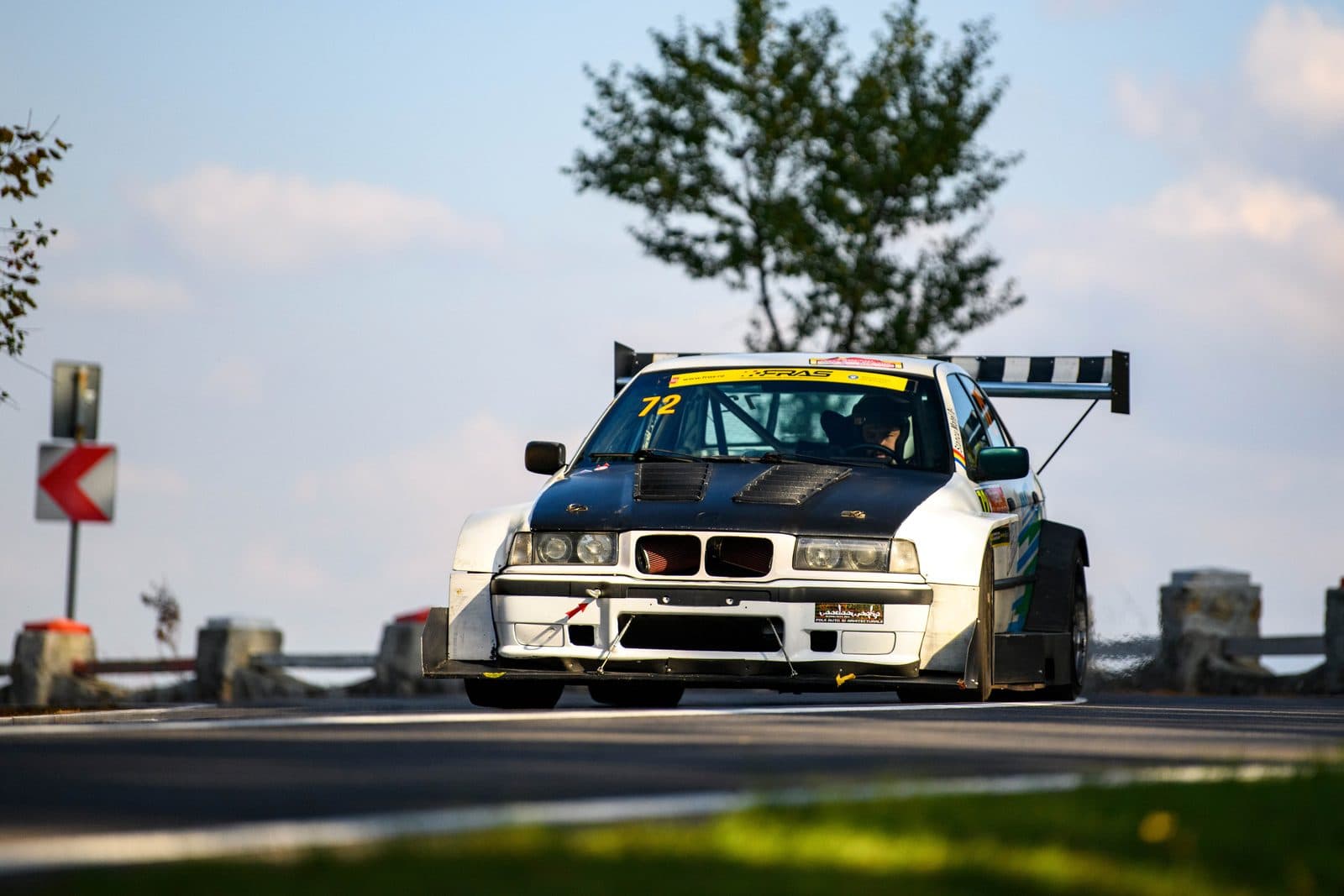
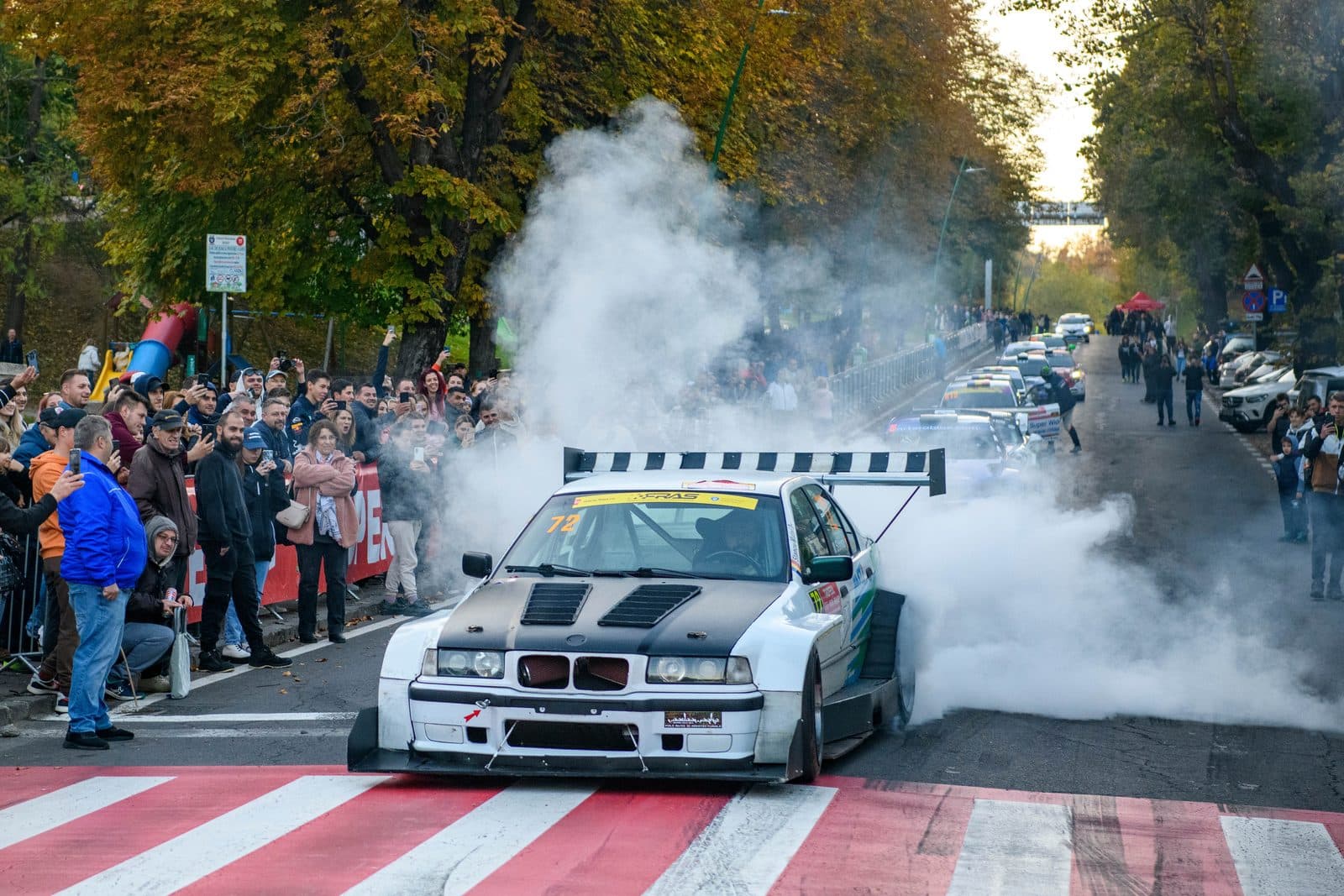
As 2022 rolled by I finally finished the aero build for my E36 and competed in 3 rounds of the Romanian Hill Climb Championship, eventually taking my first overall win at Mediaș.
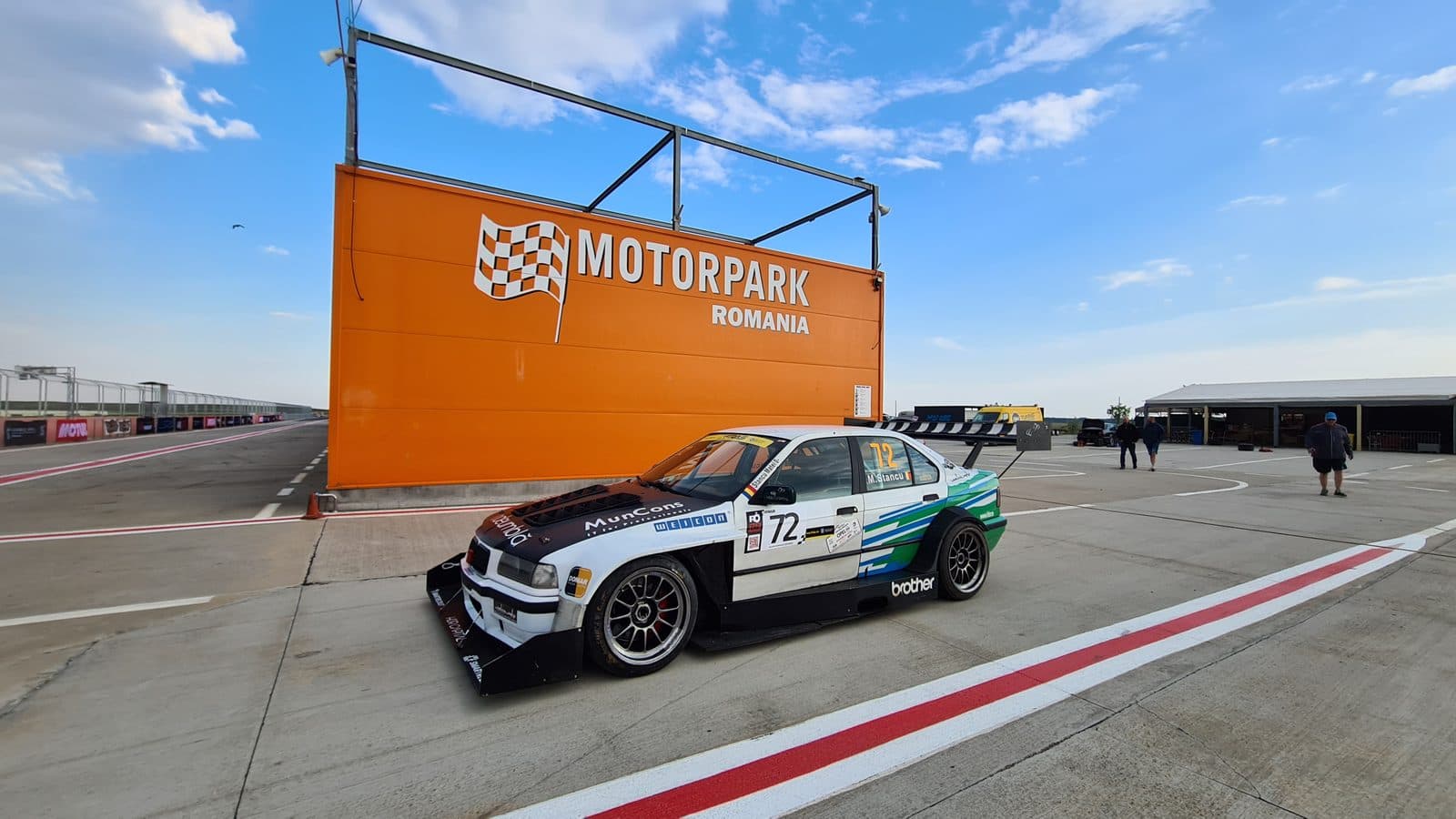
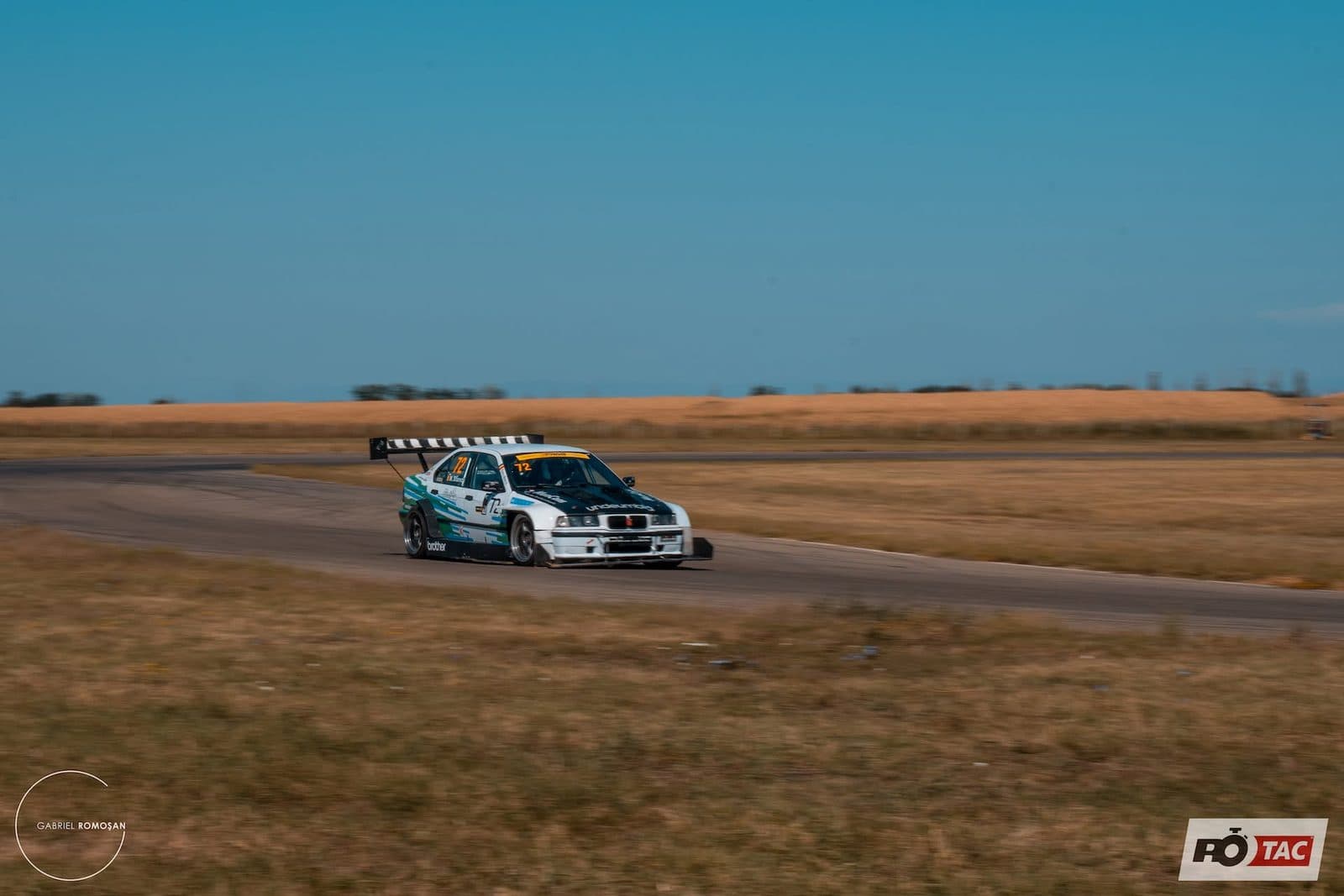
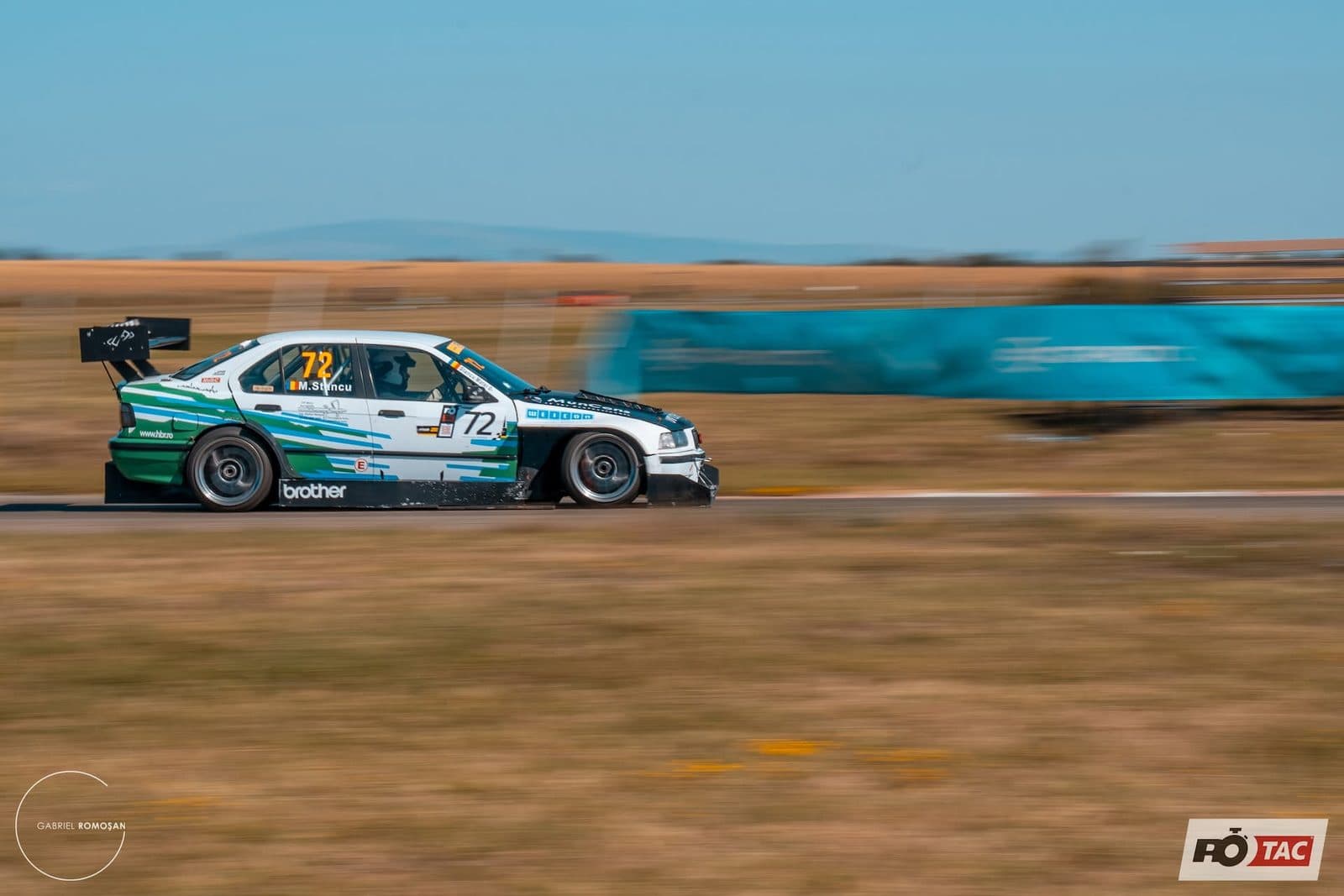
In 2023 I decided to go in a different direction and entered the Romanian Time Attack Championship, in the top class: Extreme. There were almost no competitors in that class, so taking the overall win proved to be an easy task.
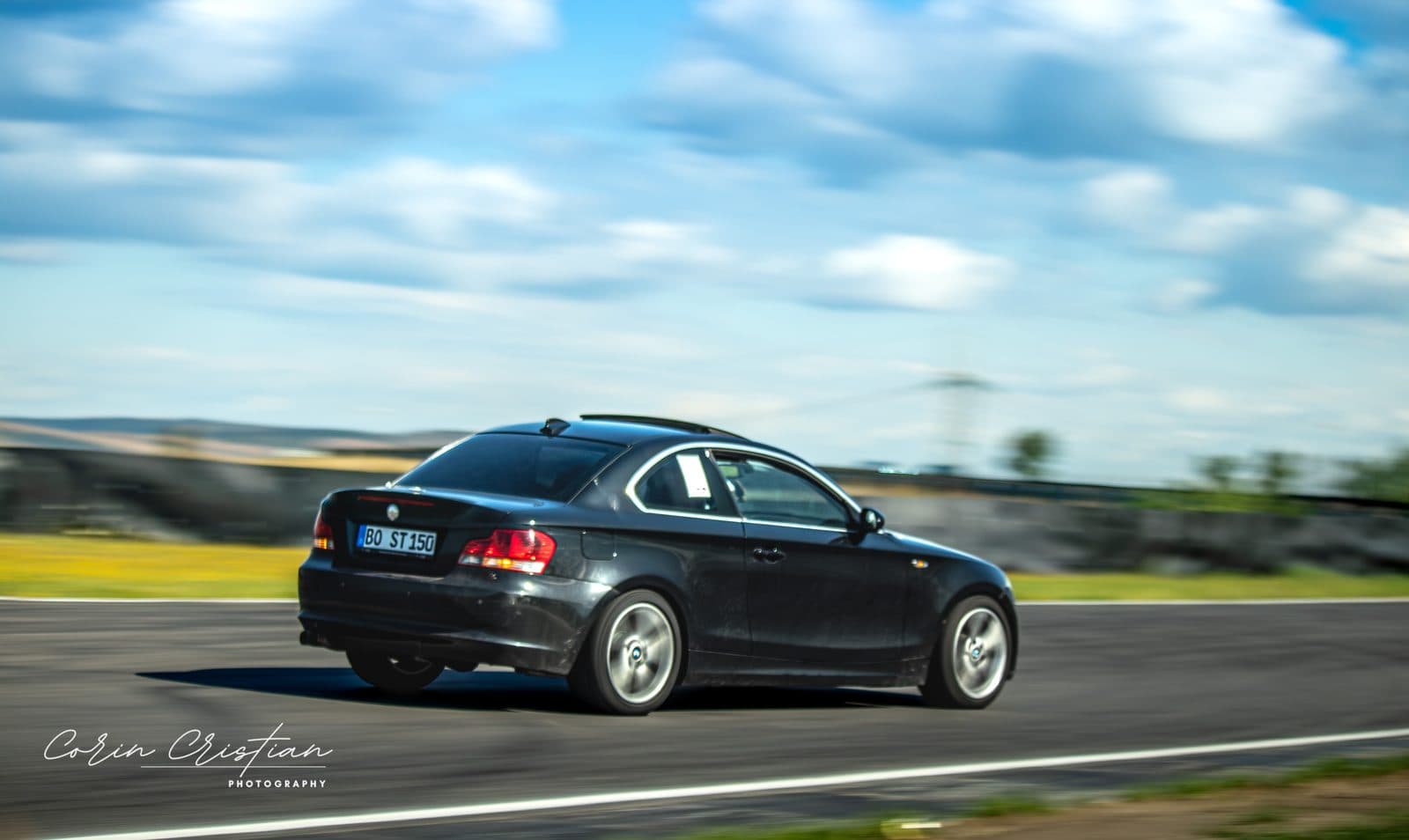
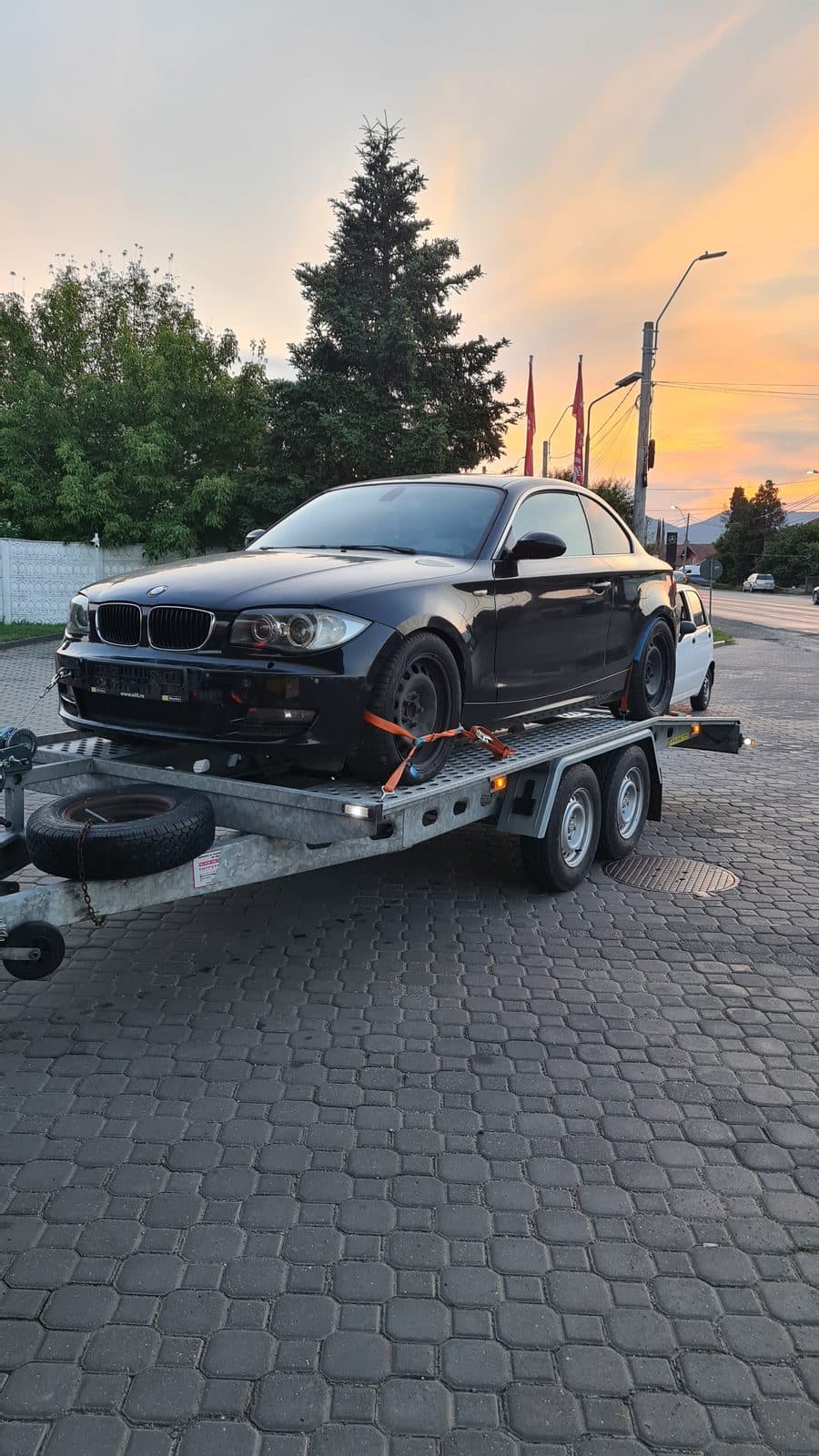
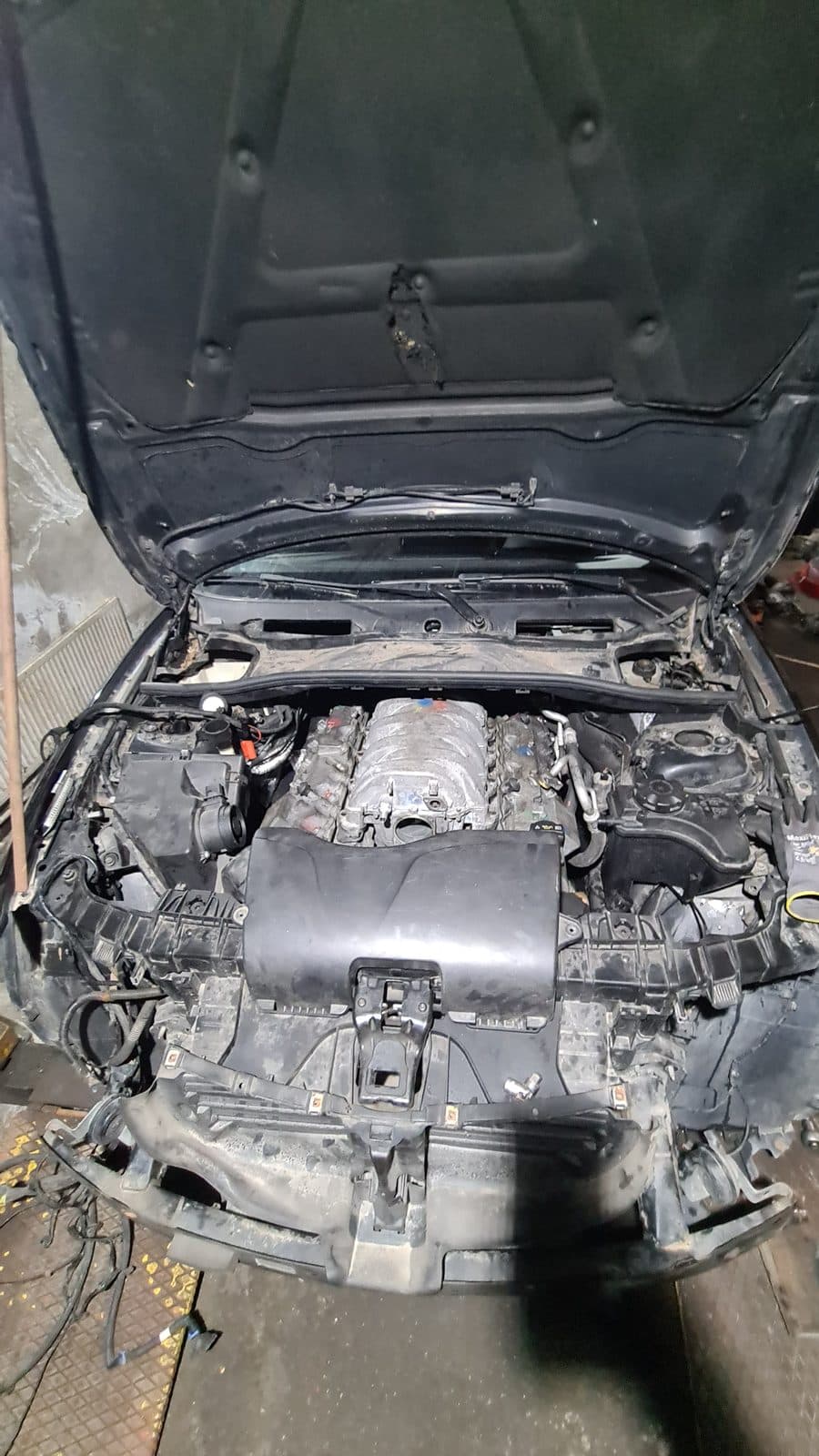
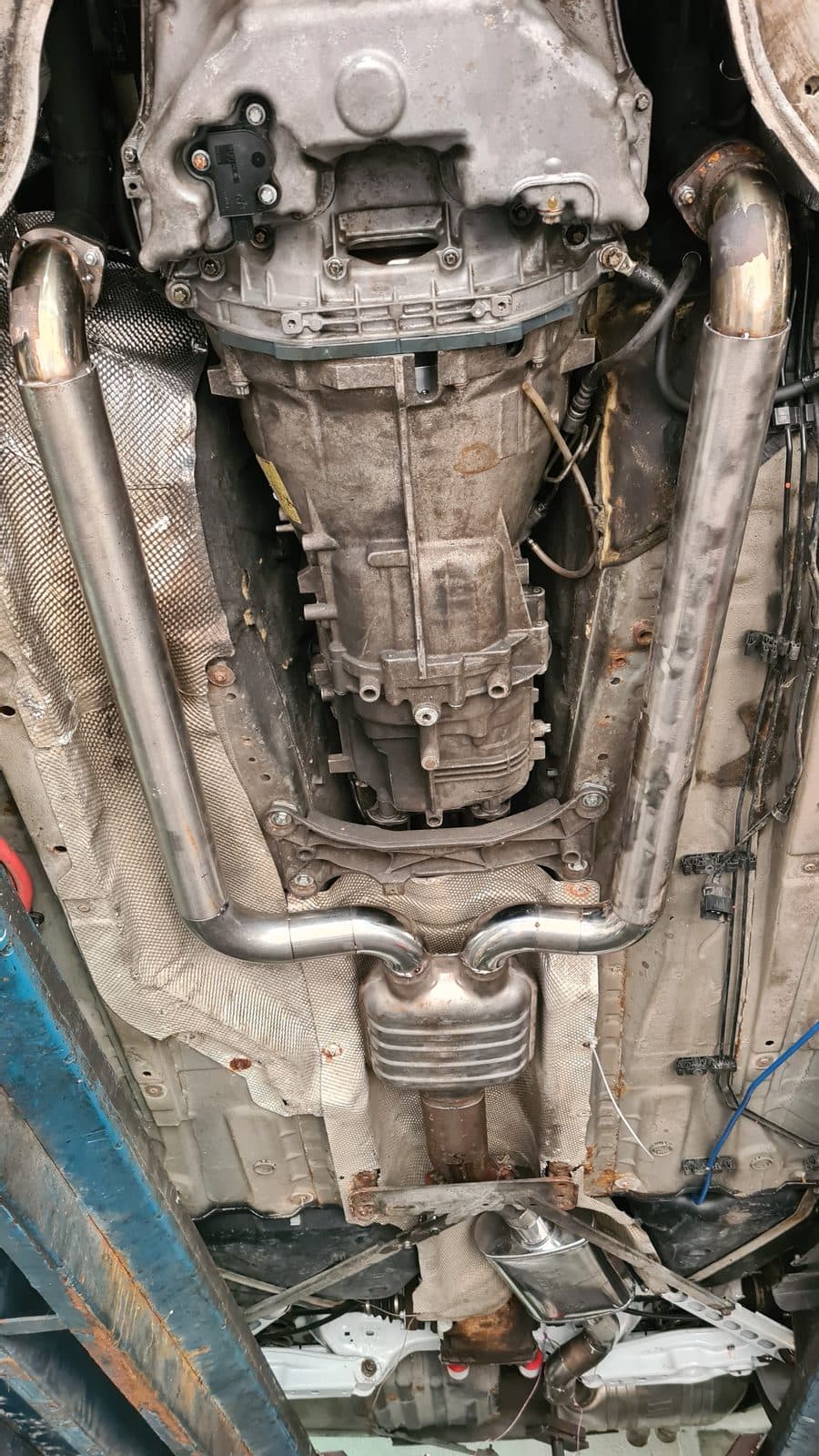
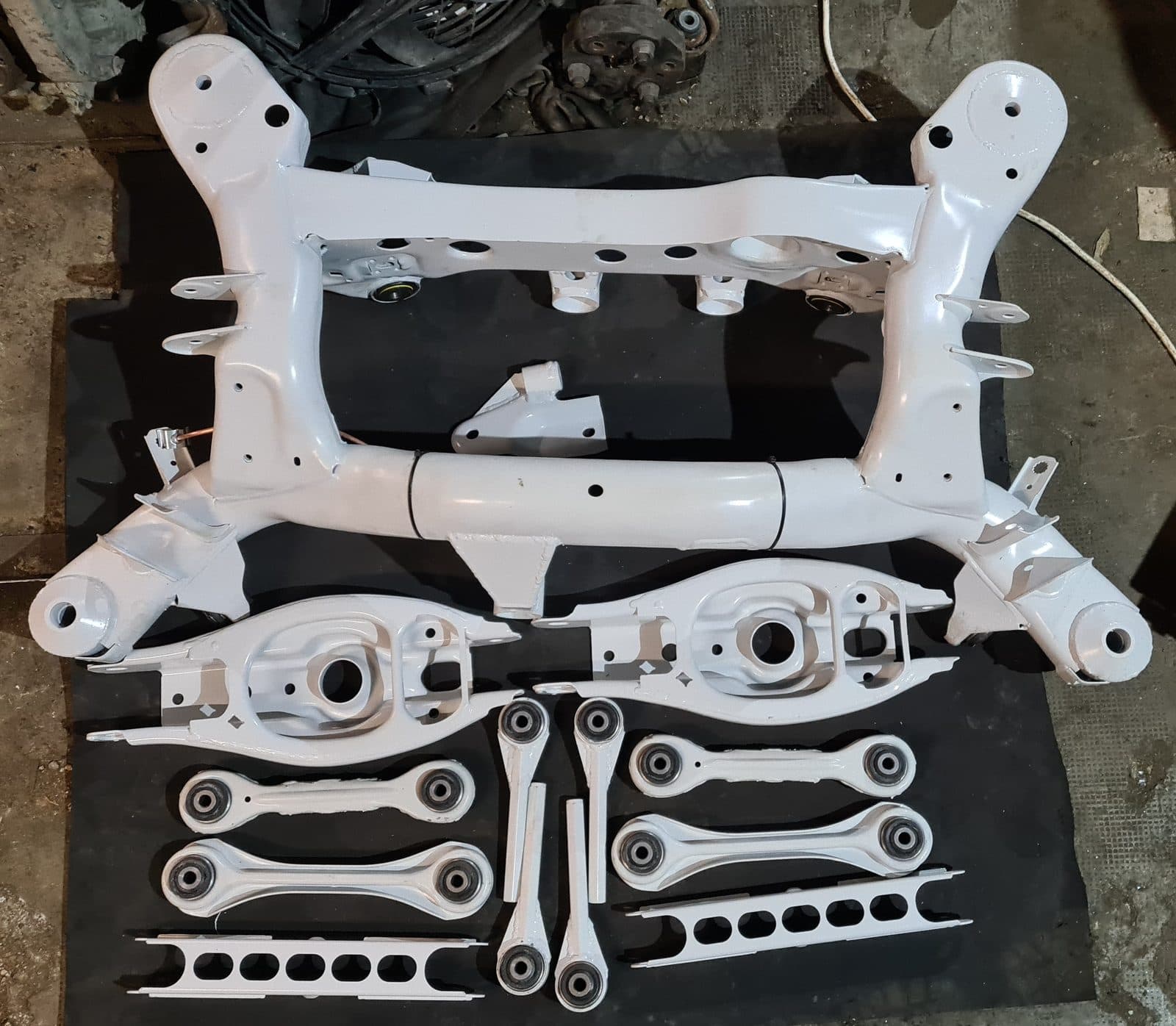
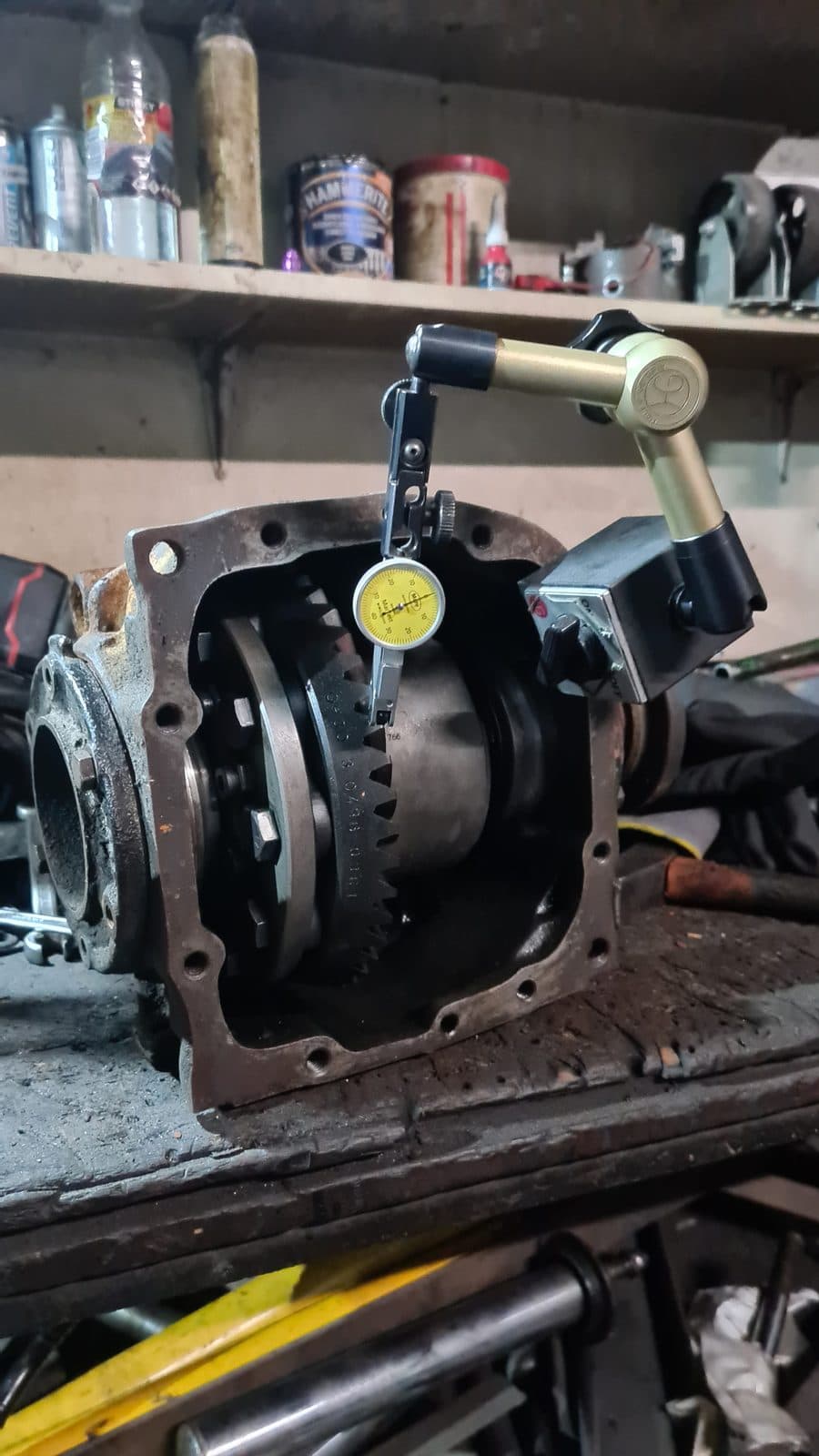
After the season was over I traded my 2.8L E36 for an E82 1 Series with a broken engine. And so a new challenge arrived: build a race car for the road with a V8 engine, the ultimate sleeper. I chose a Mercedes M113 5-litre engine and KW V3 suspension, and did a full rose-joint conversion. It currently serves as my weekend fun car.
For the past 20 years I have been involved in every aspect of this car "disease", from the most basic mods to the most extreme ones, learning to drive ever better and understanding what makes a car and driver fast and safe. I created Slip Angle Lab to help others achieve what I have achieved. My story continues, as I have some big plans ahead.
What about yours?
Have a build in mind? Let's talk about it.
Start a Project